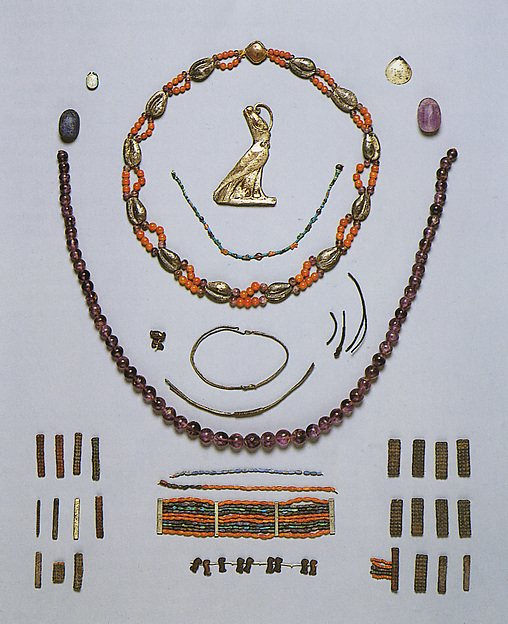
Objects from Theban Tomb MMA 840
Unrecorded maker
ca. 1850–1700 B.C. · Electrum, carnelian, amethyst, lapis lazuli, turquoise
Cleared · Public Domain
liveThe MetSimilar
Rights clearance desk for images
Museums publish two different things about the same artwork: whether the work is in copyright, and whether their picture of it is. OpenPlate reads both, does the arithmetic on the published term, and shows you the sentence behind every point of the score.
Where this page got its records
930 ms. The Metropolitan Museum of Art, Collection API (Open Access)
290 ms. The Cleveland Museum of Art, Open Access API
2 of 2 providers answered live. 83 matching records exist across the two collections.
Institutions answered newest-first by record, interleaved
Objects from Theban Tomb MMA 840
Unrecorded maker
ca. 1850–1700 B.C. · Electrum, carnelian, amethyst, lapis lazuli, turquoise
Cleared · Public Domain
live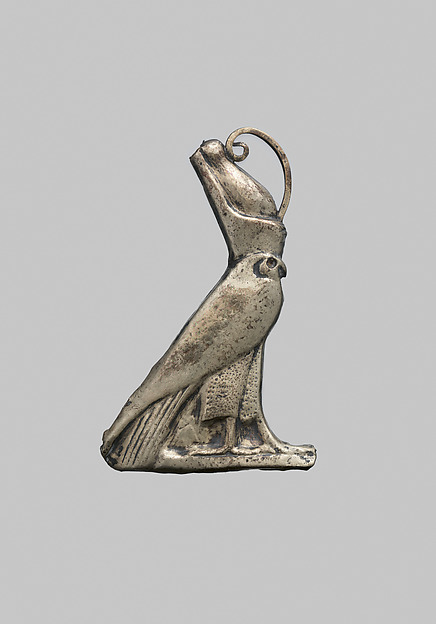
Pendant of Horus wearing the double crown
Unrecorded maker
ca. 1850–1700 BCE · Electrum over plaster
Cleared · Public Domain
live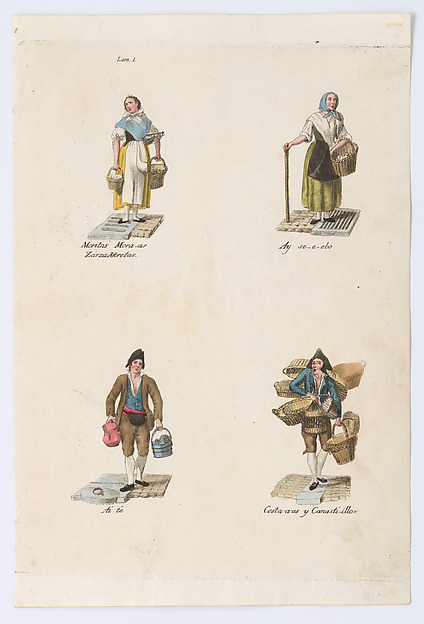
Plate 1: four street vendors from Madrid selling blueberries, onions, tea, and baskets, from 'Los Gritos de Madrid' (The Cries of Madrid)
Miguel Gamborino (d. 1828)
1809–17 · Engraving with hand coloring
Cleared · Public Domain
live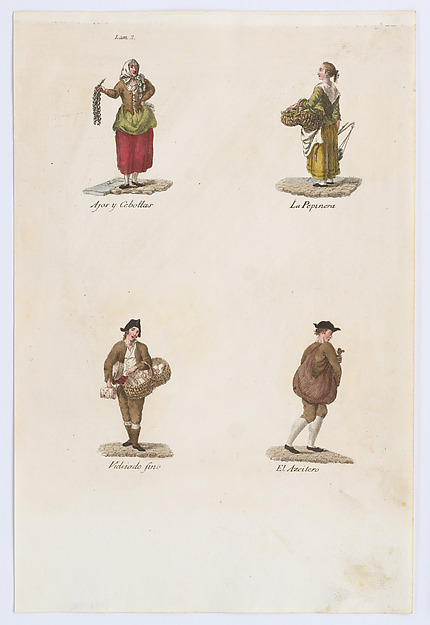
Plate 2: four street vendors from Madrid selling garlic and onions, cucumbers, fine crockery, oil, from 'Los Gritos de Madrid' (The Cries of Madrid)
Miguel Gamborino (d. 1828)
1809–17 · Engraving with hand coloring
Cleared · Public Domain
liveNo open reproduction
The institution withholds the image for this record, which is itself the answer: the picture on their page is not theirs to give away.
Beads of the Type Strung with Bracelet 13.180.16a
Unrecorded maker
ca. 1850–1700 B.C. · Carnelian, lapis lazuli
In copyright
liveNo open reproduction
The institution withholds the image for this record, which is itself the answer: the picture on their page is not theirs to give away.
Beads of the Type Used in 13.180.16a
Unrecorded maker
ca. 1850–1700 B.C. · Faience, carnelian
In copyright
liveNo open reproduction
The institution withholds the image for this record, which is itself the answer: the picture on their page is not theirs to give away.
Spacer Bar from Bracelet
Unrecorded maker
ca. 1850–1700 B.C. · Electrum
In copyright
liveNo open reproduction
The institution withholds the image for this record, which is itself the answer: the picture on their page is not theirs to give away.
Spacer Bar from Bracelet
Unrecorded maker
ca. 1850–1700 B.C. · Electrum
In copyright
liveNo open reproduction
The institution withholds the image for this record, which is itself the answer: the picture on their page is not theirs to give away.
Spacer Bar from Bracelet
Unrecorded maker
ca. 1850–1700 B.C. · Electrum
In copyright
liveNo open reproduction
The institution withholds the image for this record, which is itself the answer: the picture on their page is not theirs to give away.
Three Costume or Figure Studies
Pierre Paul Sevin (d. 1710)
17th century · Pen and ink with wash on paper
In copyright
liveNo open reproduction
The institution withholds the image for this record, which is itself the answer: the picture on their page is not theirs to give away.
[Studio Portrait of Two Women, Each Balancing Items on Their Heads, Brazil]
Unknown
1861–62 · Salted paper print from glass negative
In copyright
liveNo open reproduction
The institution withholds the image for this record, which is itself the answer: the picture on their page is not theirs to give away.
[Group of Ephemeral Items from the Archives of the French Medium Henri Mathouillot]
Henri Mathouillot Archive
1920–38
In copyright
live1. Pin the work
Choose the record and say what you are actually going to do with it. The product re-reads the work live and stores a snapshot, so your docket records what the institution said today.
2. Read the arithmetic
Six weighted factors: the institution's own claim, the creator's term, the publication-age rule, the restrictions in their statement, your use, and whether a credit line is even possible.
3. Seal and export
Record the decision into a SHA-384 chain, then export a dated docket as JSON, CSV or Markdown with the credit line and the seal a colleague can re-verify.