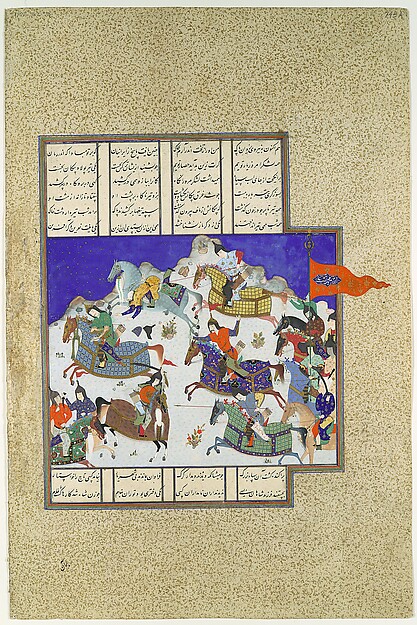
"The Coup against Usurper Shah", Folio 745v from the Shahnama (Book of Kings) of Shah Tahmasp
Abu'l Qasim Firdausi (d. 1020)
ca. 1530–35 · Opaque watercolor, ink, silver, and gold on paper
Cleared · Public Domain
liveThe MetSimilar
Rights clearance desk for images
Museums publish two different things about the same artwork: whether the work is in copyright, and whether their picture of it is. OpenPlate reads both, does the arithmetic on the published term, and shows you the sentence behind every point of the score.
Where this page got its records
1437 ms. The Metropolitan Museum of Art, Collection API (Open Access)
373 ms. The Cleveland Museum of Art, Open Access API
2 of 2 providers answered live. 9,751 matching records exist across the two collections.
Institutions answered newest-first by record, interleaved
"The Coup against Usurper Shah", Folio 745v from the Shahnama (Book of Kings) of Shah Tahmasp
Abu'l Qasim Firdausi (d. 1020)
ca. 1530–35 · Opaque watercolor, ink, silver, and gold on paper
Cleared · Public Domain
live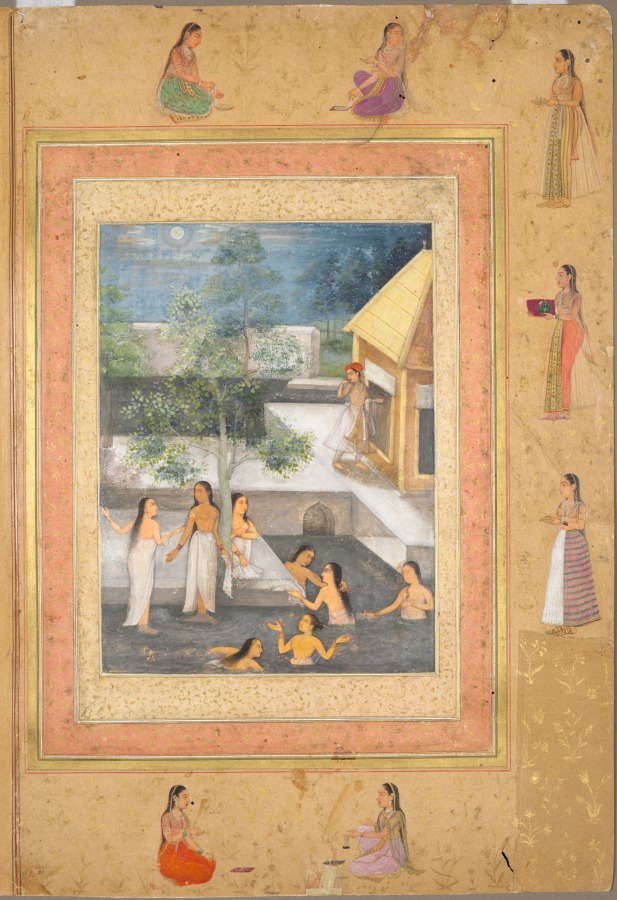
Harem night-bathing scene, from the Late Shah Jahan Album (recto)
Unrecorded maker
c. 1653 · Painting, Gum tempera, gold, and ink on paper
Cleared · CC0
live
'Saz'-Style Drawing of a Dragon Amid Foliage
Shah Quli (d. 1566)
ca. 1540–50 · Ink, opaque watercolor, and gold on paper
Cleared · Public Domain
live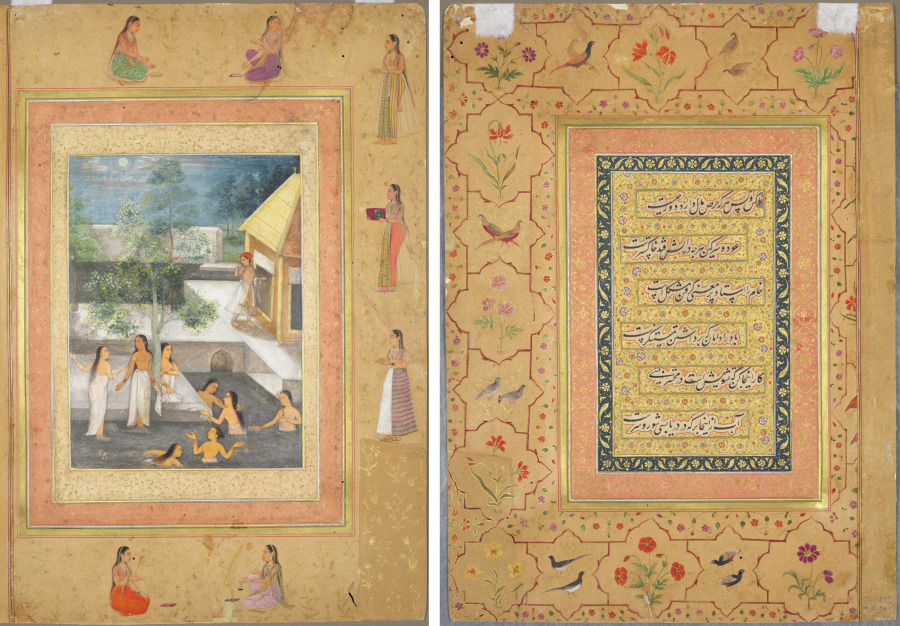
Leaf from the Late Shah Jahan Album: Harem Night-Bathing Scene (recto); Calligraphy Framed by an Ornamental Border of Flowers and Birds (verso)
Unrecorded maker
c. 1650 · Painting, Gum tempera, ink, and gold on paper
Cleared · CC0
live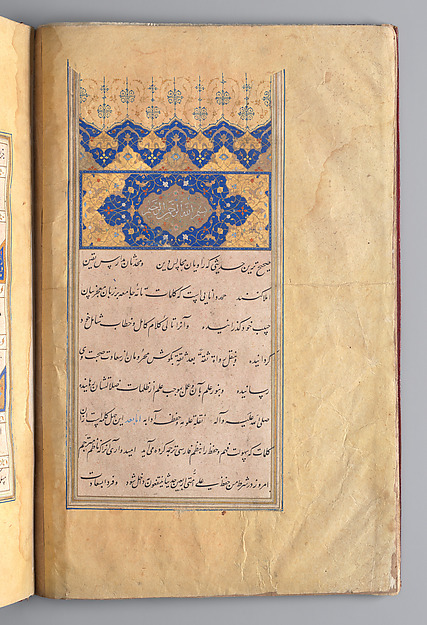
Bound Manuscript of Hadith with Persian Translations by Jami
Shah Mahmud Nishapuri (d. 1565)
Manuscript dated 935 AH/1528 CE; binding ca. 1575–1600 · Manuscript: Ink, opaque watercolor, and gold on paper Binding: Leather, opaque watercolor, and gold
Cleared · Public Domain
live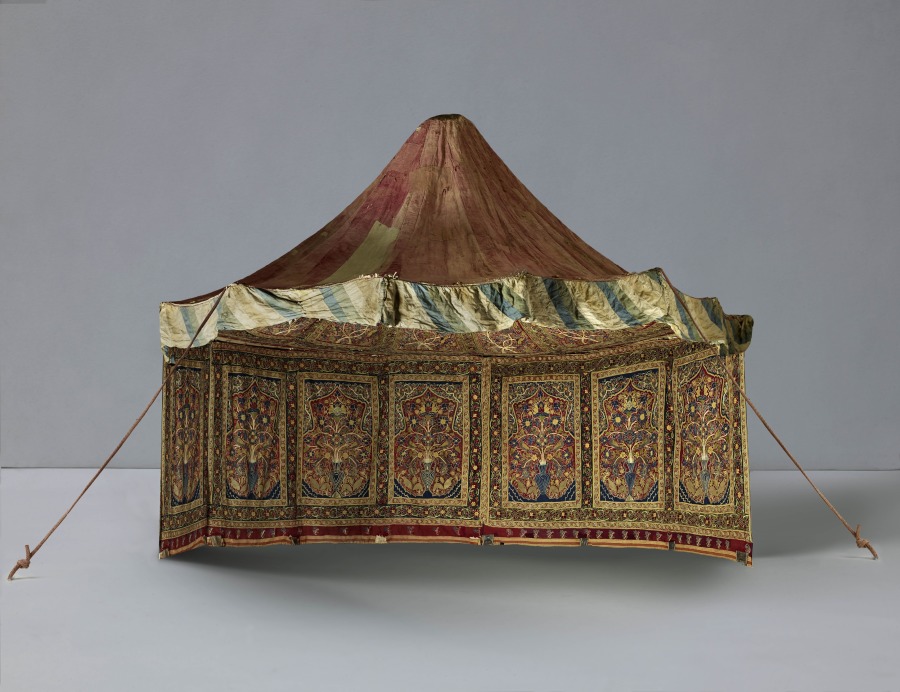
Royal Round Tent Made for Muhammad Shah
Unrecorded maker
1834–48 · Textile, Interior: wool: plain weave, inlaid work; silk: embroidery, chain stitch; tape, leather; Exterior: cotton, wool: plain weave; rope, iron ring
Cleared · CC0
live
"Shah Jahan on Horseback", Folio from the Shah Jahan Album
Payag (d. 1658)
verso: ca. 1630; recto: ca. 1530–50 · Ink, opaque watercolor, and gold on paper
Cleared · Public Domain
live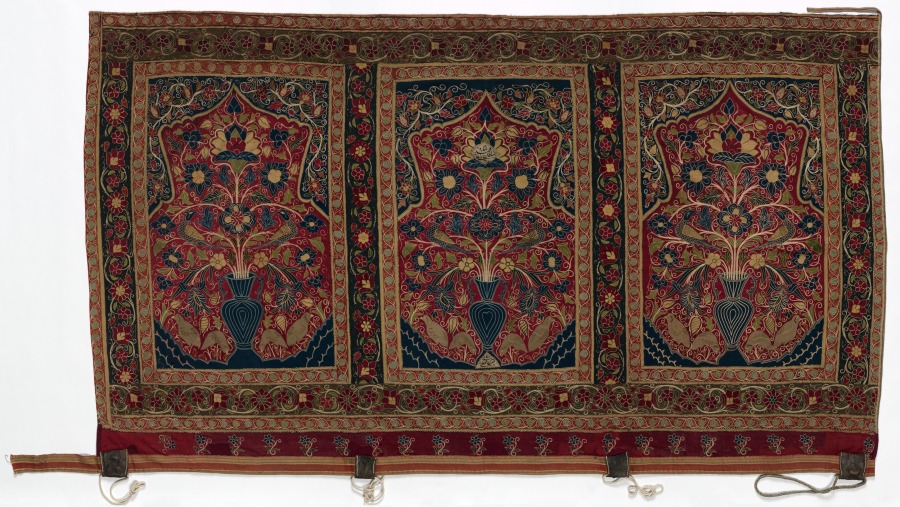
Royal Round Tent made for Muhammad Shah (wall panel with three design units)
Unrecorded maker
1834–48 · Textile, Wool with silk embroidery (chain stitch), rope, cotton, leather, tape; Rasht work
Cleared · CC0
live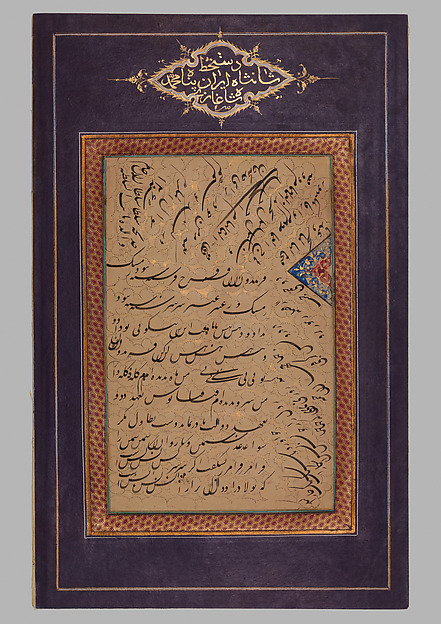
Album Page with Calligraphy Exercise (siyah mashq) by Muhammad Shah Qajar (3rd Ruler of the Qajar Dynasty)
Muhammad Shah
dated Shawwal 1260 AH/October 1844 CE · Ink, gold, and opaque watercolor on paper
Cleared · Public Domain
live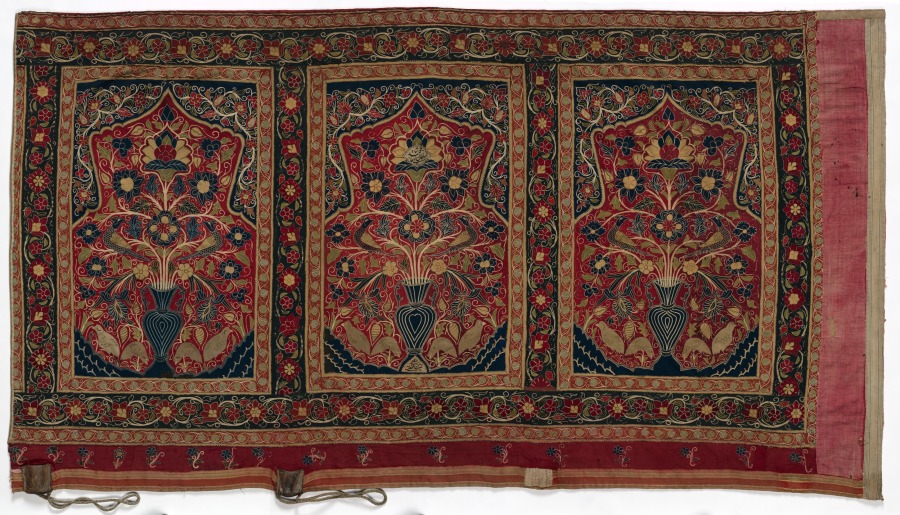
Royal Round Tent made for Muhammad Shah (wall panel with three design units)
Unrecorded maker
1834–48 · Textile, Interior: wool: plain weave, inlaid work; silk: embroidery, chain stitch; tape, leather; Exterior: cotton, wool: plain weave; rope, iron ring
Cleared · CC0
live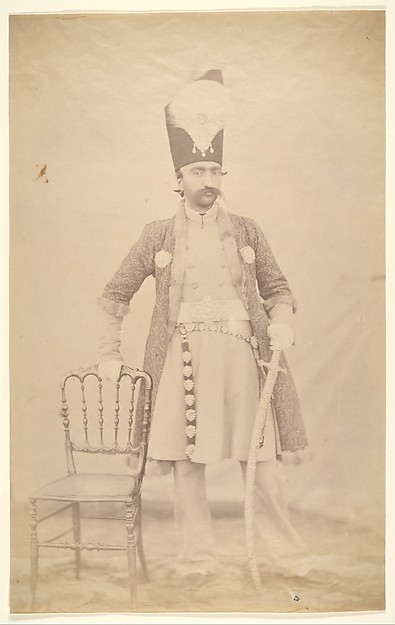
Naser al-Din Shah
Unknown
ca. 1852–55 · Salted paper print from glass negative
Cleared · Public Domain
live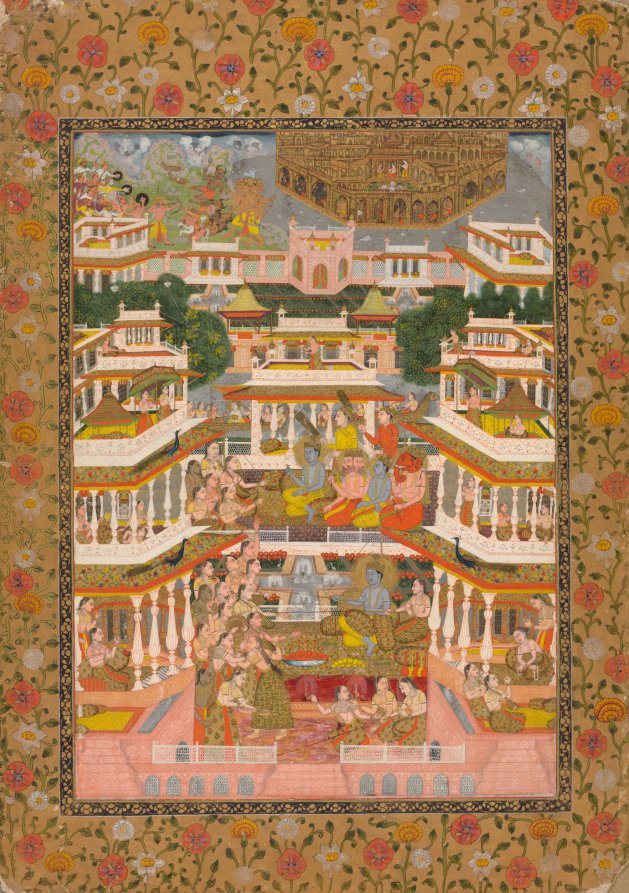
Tiered Court Scene
Chitarman II (d. 1750)
c. 1735 · Painting, Gum tempera, ink, and gold on paper
Cleared · CC0
live1. Pin the work
Choose the record and say what you are actually going to do with it. The product re-reads the work live and stores a snapshot, so your docket records what the institution said today.
2. Read the arithmetic
Six weighted factors: the institution's own claim, the creator's term, the publication-age rule, the restrictions in their statement, your use, and whether a credit line is even possible.
3. Seal and export
Record the decision into a SHA-384 chain, then export a dated docket as JSON, CSV or Markdown with the credit line and the seal a colleague can re-verify.