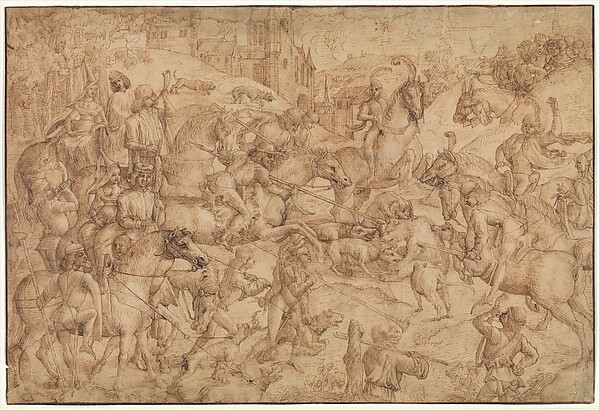
Bear Hunt
Flanders (Brussels?) (d. 1490)
ca. 1470–90 · Pen and brown ink
Cleared · Public Domain
liveThe MetSimilar
Rights clearance desk for images
Museums publish two different things about the same artwork: whether the work is in copyright, and whether their picture of it is. OpenPlate reads both, does the arithmetic on the published term, and shows you the sentence behind every point of the score.
Where this page got its records
685 ms. The Metropolitan Museum of Art, Collection API (Open Access)
388 ms. The Cleveland Museum of Art, Open Access API
2 of 2 providers answered live. 2,563 matching records exist across the two collections.
Institutions answered newest-first by record, interleaved
Bear Hunt
Flanders (Brussels?) (d. 1490)
ca. 1470–90 · Pen and brown ink
Cleared · Public Domain
live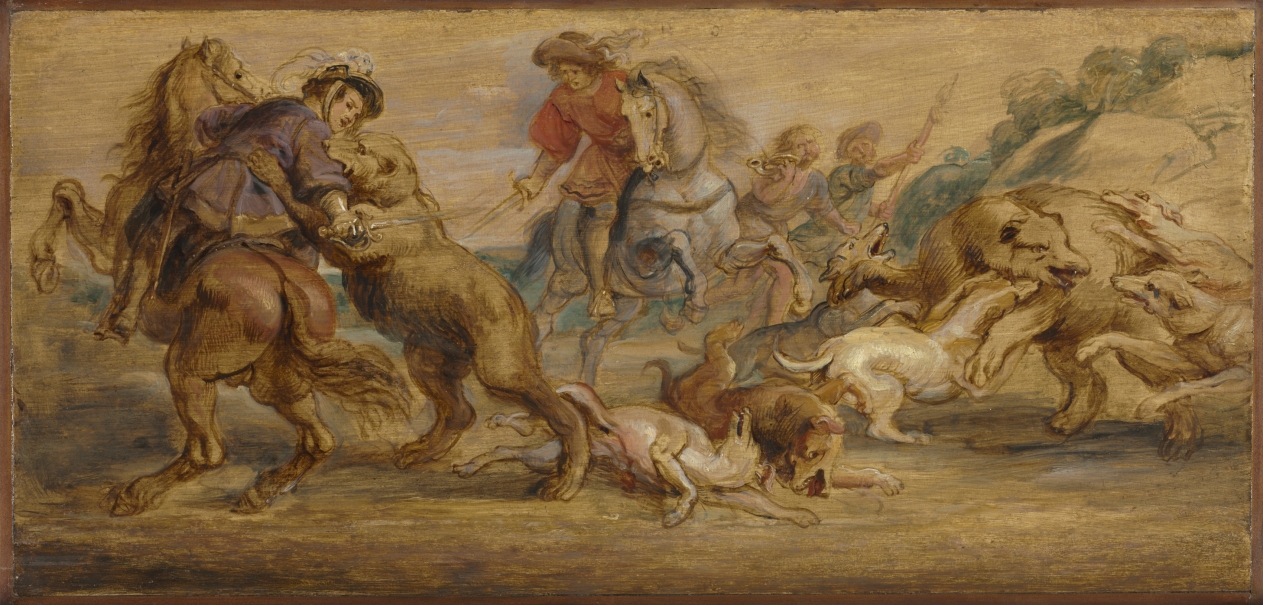
Study for "The Bear Hunt" (for the Alcázar, Madrid)
Peter Paul Rubens (d. 1640)
c. 1639 · Painting, oil on wood
Cleared · CC0
live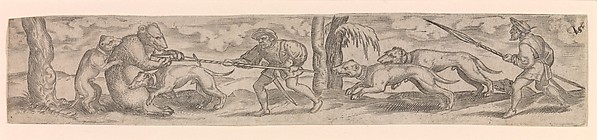
Bear Hunt
Virgil Solis (d. 1562)
mid 16th century · Engraving
Cleared · Public Domain
live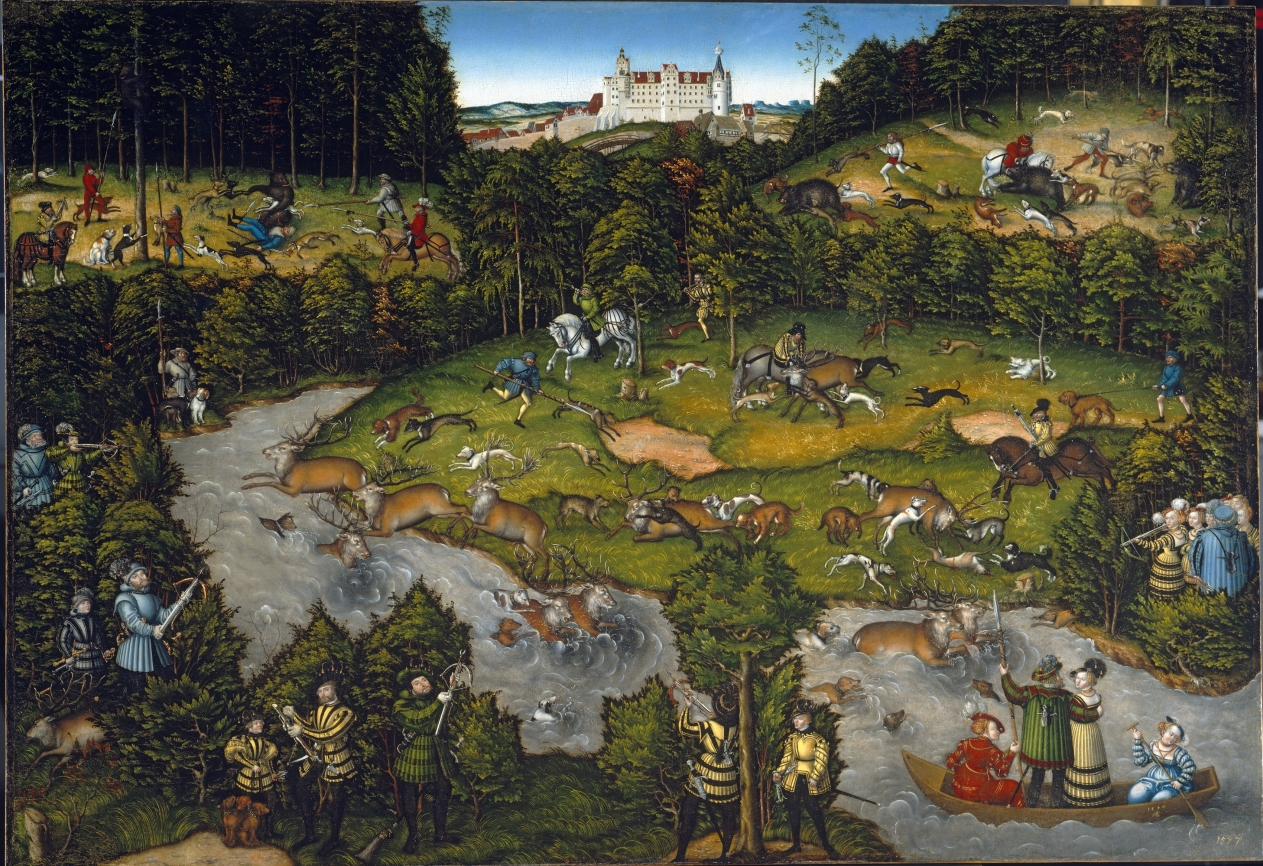
Hunting near Hartenfels Castle
Lucas Cranach (d. 1553)
1540 · Painting, oil, originally on wood, transferred to masonite
Cleared · CC0
live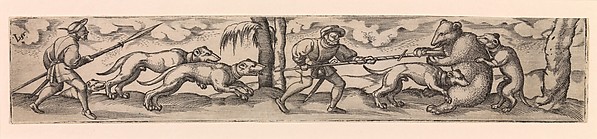
Copy of Bear Hunt
Anonymous, 16th century (d. 1600)
mid 16th century · Engraving
Cleared · Public Domain
live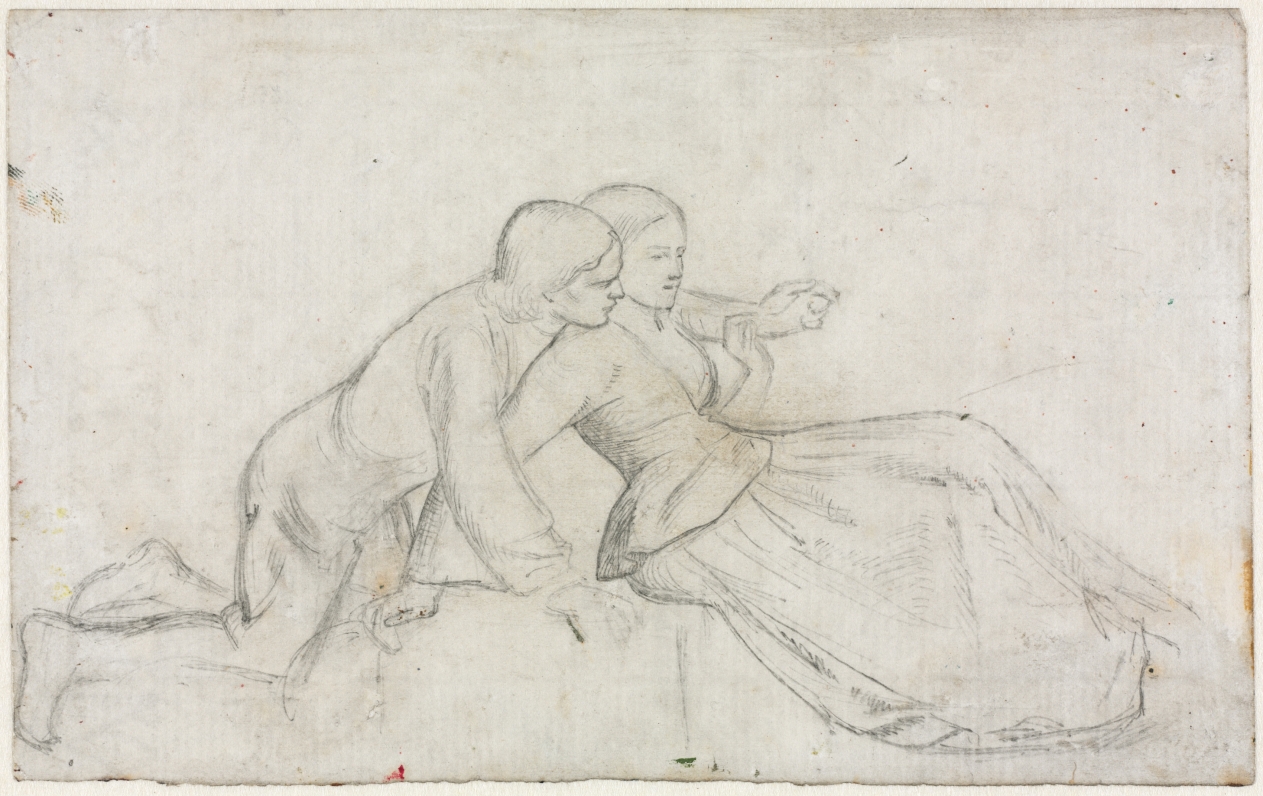
Study for "The Hireling Shepherd"
William Holman Hunt (d. 1910)
1851 · Drawing, graphite
Cleared · CC0
live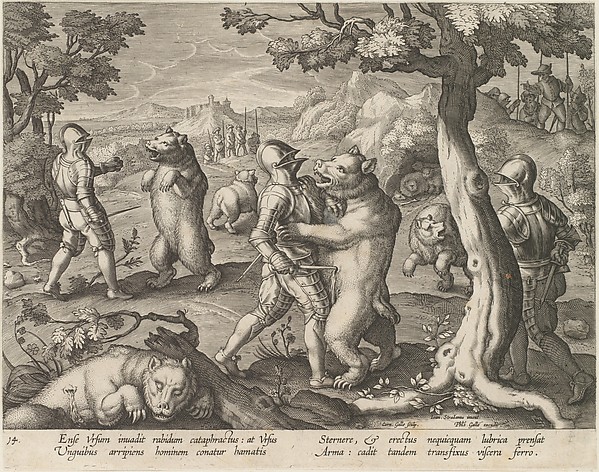
Bear Hunt, from "Venationes Ferarum, Avium, Piscium..."
Jan van der Straet, called Stradanus (d. 1605)
16th century · Engraving
Cleared · Public Domain
live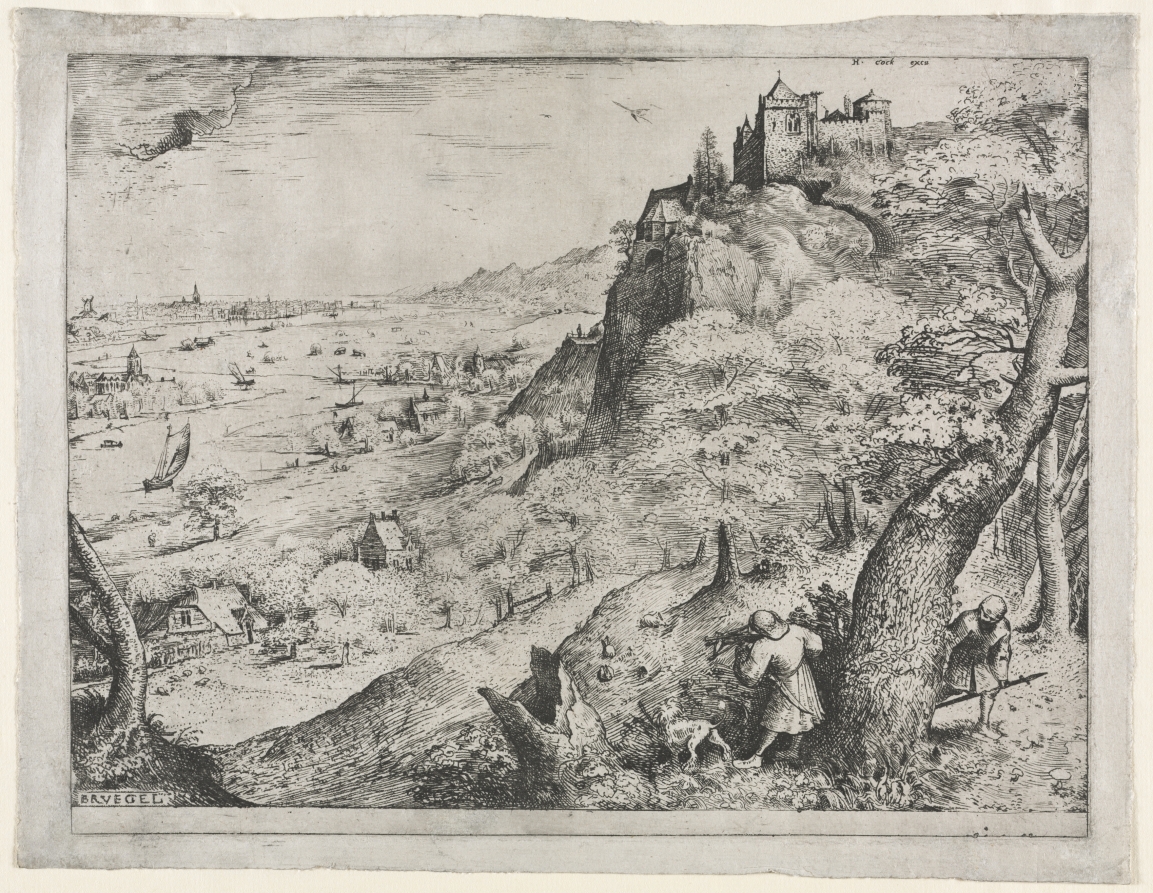
The Rabbit Hunt
Pieter Bruegel (d. 1569)
1560 · Print, etching
Cleared · CC0
live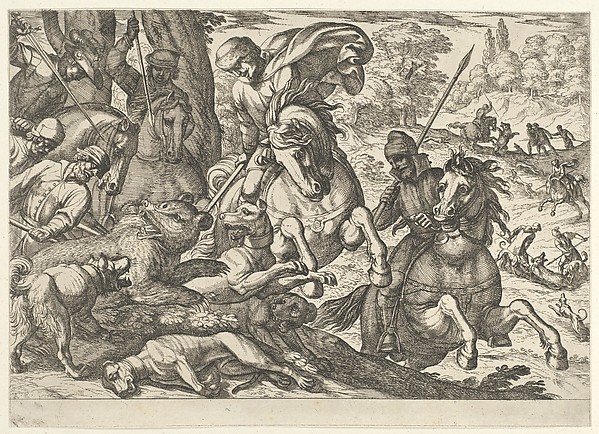
Bear Hunt, from "Hunting Scenes VI"
Antonio Tempesta (d. 1630)
1609 · Etching
Cleared · Public Domain
live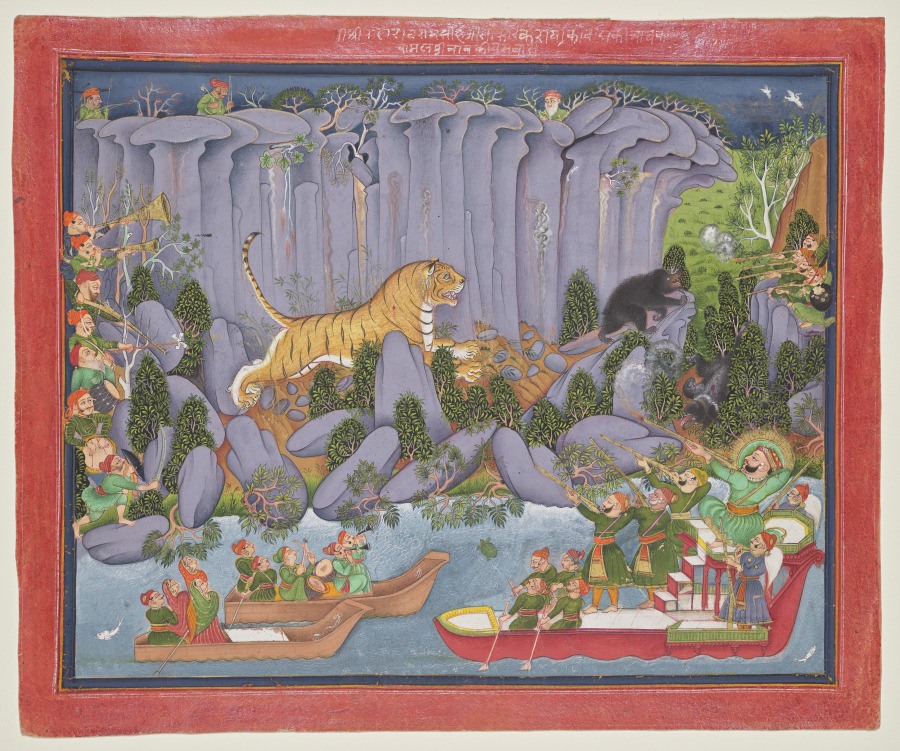
Tiger Hunt of Ram Singh II
Unrecorded maker
c. 1830–40 · Painting, Gum tempera, ink, and gold on paper
Cleared · CC0
live
"The Bear Hunt"
Gorgerât et Cie
1785–90 · Linen
Cleared · Public Domain
live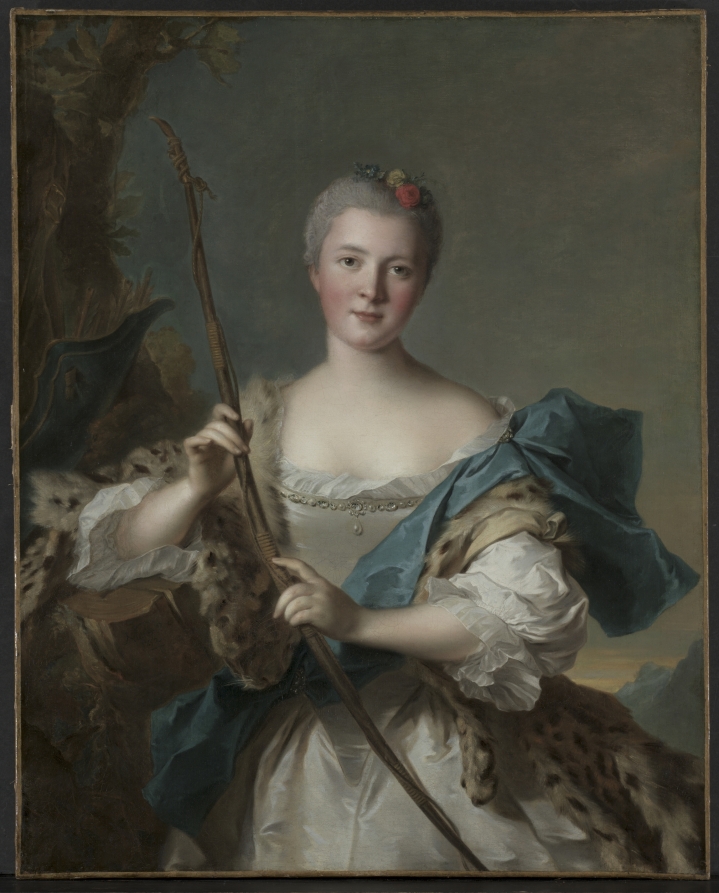
Portrait of a Woman as Diana
Jean-Marc Nattier (d. 1766)
1752 · Painting, oil on canvas
Cleared · CC0
live1. Pin the work
Choose the record and say what you are actually going to do with it. The product re-reads the work live and stores a snapshot, so your docket records what the institution said today.
2. Read the arithmetic
Six weighted factors: the institution's own claim, the creator's term, the publication-age rule, the restrictions in their statement, your use, and whether a credit line is even possible.
3. Seal and export
Record the decision into a SHA-384 chain, then export a dated docket as JSON, CSV or Markdown with the credit line and the seal a colleague can re-verify.