
Terracotta vase in the form of a Black African youth's head
Negro Boy Group
4th century BCE · Terracotta
Cleared · Public Domain
liveThe MetSimilar
Rights clearance desk for images
Museums publish two different things about the same artwork: whether the work is in copyright, and whether their picture of it is. OpenPlate reads both, does the arithmetic on the published term, and shows you the sentence behind every point of the score.
Where this page got its records
1397 ms. The Metropolitan Museum of Art, Collection API (Open Access)
327 ms. The Cleveland Museum of Art, Open Access API
2 of 2 providers answered live. 1,174 matching records exist across the two collections.
Institutions answered newest-first by record, interleaved
Terracotta vase in the form of a Black African youth's head
Negro Boy Group
4th century BCE · Terracotta
Cleared · Public Domain
live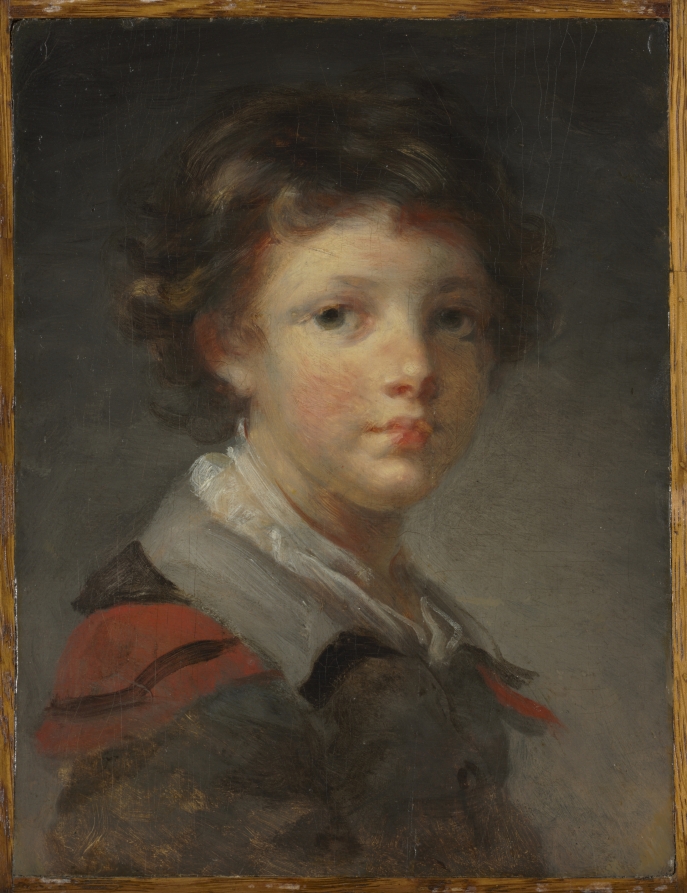
A Boy in a Red-Lined Cloak
Jean-Honoré Fragonard (d. 1806)
1780s · Painting, oil on wood
Cleared · CC0
live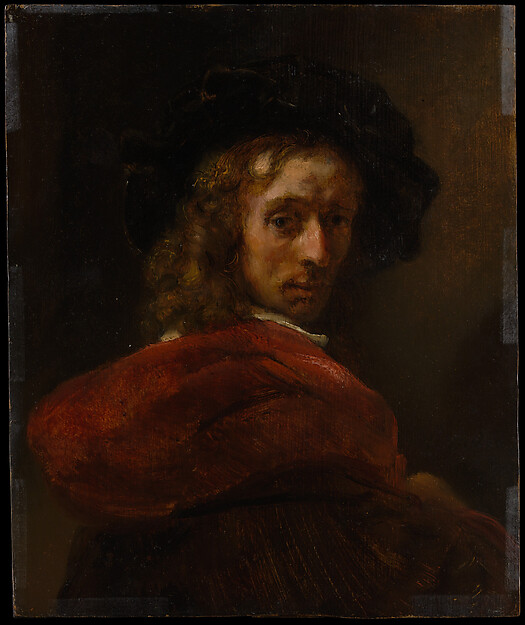
Man in a Red Cloak
Rembrandt (d. 1669)
1674 · Oil on wood
Cleared · Public Domain
live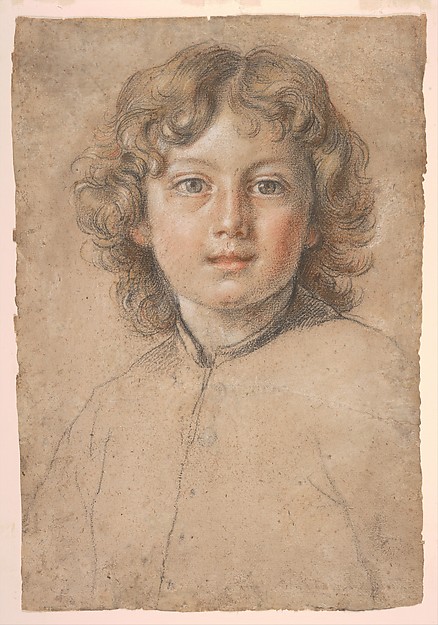
Head of a Young Boy
Anonymous, Italian (d. 2050)
17th century · Black, red, brown and white chalk on buff paper
Cleared · Public Domain
live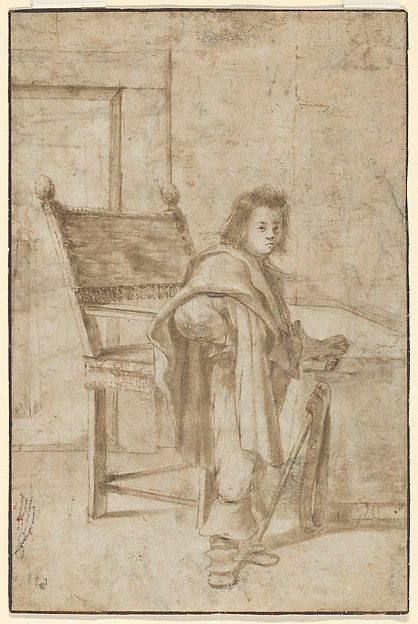
Boy Holding a Sword, Standing near a Table in an Interior (recto); Various Sketches of Figures and Ornamental Forms (verso)
Anonymous, Dutch, 17th century (d. 1700)
17th century · Pen and brown ink, brush and brown wash, over black chalk (recto); pen and brown ink, black chalk (verso); framing lines in pen and brown ink, by a later hand
Cleared · Public Domain
live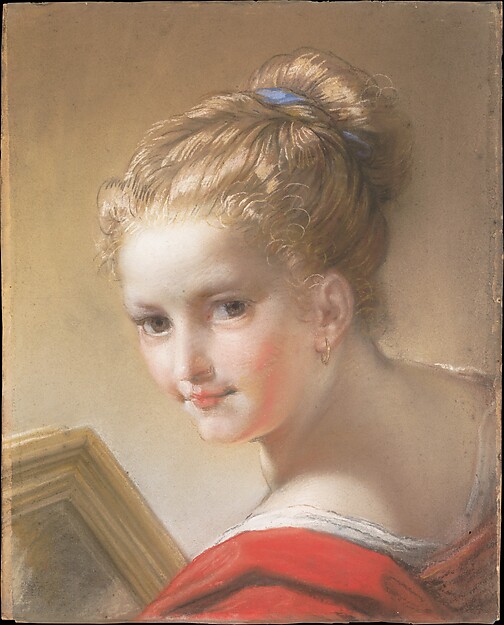
Study of a Girl in Red
Benedetto Luti (d. 1724)
1717 · Pastel and chalk on blue laid paper, laid down on paste paper
Cleared · Public Domain
live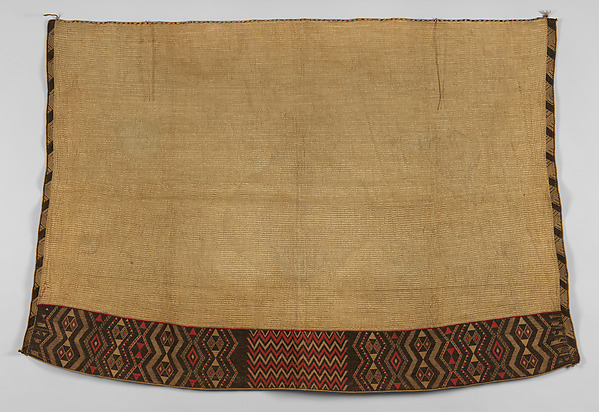
Kaitaka aronui (cloak)
Māori artist
mid-19th century · Flax (harakeke, Phormium tenax), wool
Cleared · Public Domain
liveNo open reproduction
The institution withholds the image for this record, which is itself the answer: the picture on their page is not theirs to give away.
Terracotta statuette of a seated boy, draped in a chlamys (short cloak) and wearing a thick wreath
Unrecorded maker
late 4th–early 3rd century BCE · Terracotta Fabric: light orange (7.5 YR 7/6, grayer) with small dark and sparkling inclusions. Slip, paint: white slip, pink paint on mantle. Method of manufacture: moldmade, rear of rocky seat handmade. Back, venting: back flat, rectangular vent from chest to hips.
In copyright
liveNo open reproduction
The institution withholds the image for this record, which is itself the answer: the picture on their page is not theirs to give away.
Terracotta statuette of a standing boy, draped in a chlamys (short cloak) and wearing a thick wreath
Unrecorded maker
late 4th–early 3rd century BCE · Terracotta Fabric: reading from small chip inside base- light orange with small dark and sparkling inclusions. Slip, paint: white slip, (2 layers) Method of manufacture: moldmade, base handmade. Back, venting: back handmade, plain; rectangular vent from chest to knees.
In copyright
liveNo open reproduction
The institution withholds the image for this record, which is itself the answer: the picture on their page is not theirs to give away.
Terracotta statuette of a standing boy, draped in a chlamys (short cloak) and wearing a thick wreath
Unrecorded maker
late 4th–early 3rd century BCE · Terracotta Fabric: fairly fine orange (7.5 YR 6/6) with dark and sparkling inclusions. Slip, paint: white slip. Method of manufacture: moldmade. Back, venting: back handmade, plain with rectangular vent from chest to hips.
In copyright
liveNo open reproduction
The institution withholds the image for this record, which is itself the answer: the picture on their page is not theirs to give away.
Man in a fur-lined cloak, fur hat and holding a cane
Thomas Worlidge (d. 1766)
1753 · Etching with drypoint
In copyright
liveNo open reproduction
The institution withholds the image for this record, which is itself the answer: the picture on their page is not theirs to give away.
Portrait of a woman in cloak
Benigno Bossi (d. 1792)
1784 · Etching in red
In copyright
live1. Pin the work
Choose the record and say what you are actually going to do with it. The product re-reads the work live and stores a snapshot, so your docket records what the institution said today.
2. Read the arithmetic
Six weighted factors: the institution's own claim, the creator's term, the publication-age rule, the restrictions in their statement, your use, and whether a credit line is even possible.
3. Seal and export
Record the decision into a SHA-384 chain, then export a dated docket as JSON, CSV or Markdown with the credit line and the seal a colleague can re-verify.