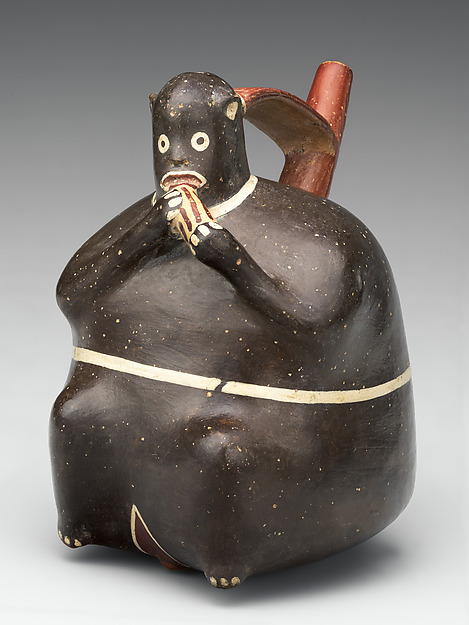
Bottle in the shape of a monkey
Nasca artist(s)
1–600 CE · Ceramic, slip
Cleared · Public Domain
liveThe MetSimilar
Rights clearance desk for images
Museums publish two different things about the same artwork: whether the work is in copyright, and whether their picture of it is. OpenPlate reads both, does the arithmetic on the published term, and shows you the sentence behind every point of the score.
Where this page got its records
326 ms. The Metropolitan Museum of Art, Collection API (Open Access)
386 ms. The Cleveland Museum of Art, Open Access API
2 of 2 providers answered live. 28 matching records exist across the two collections.
Institutions answered newest-first by record, interleaved
Bottle in the shape of a monkey
Nasca artist(s)
1–600 CE · Ceramic, slip
Cleared · Public Domain
live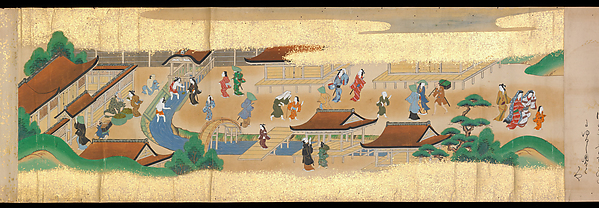
Festivities of the Twelve Months: “Sannō Hiyoshi Festivals Held on the Day of the Monkey in the Mid-Fourth Month”; Festivities of the Twelve Months: “Sumō Wrestling at Matsuno’o Shrine during the Hassaku Festival on the First Day of the Eighth Month”
Unrecorded maker
early 18th century · Two handscrolls; ink, color and gold on paper
Cleared · Public Domain
live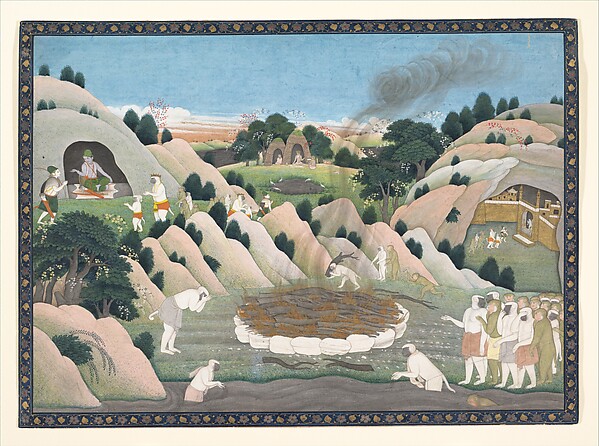
The Monkey King Vali's Funeral Pyre: Illustrated folio from a dispersed Ramayana series
Nainsukh (d. 1778)
ca. 1780 · Ink, opaque watercolor, silver, and gold on paper
Cleared · Public Domain
live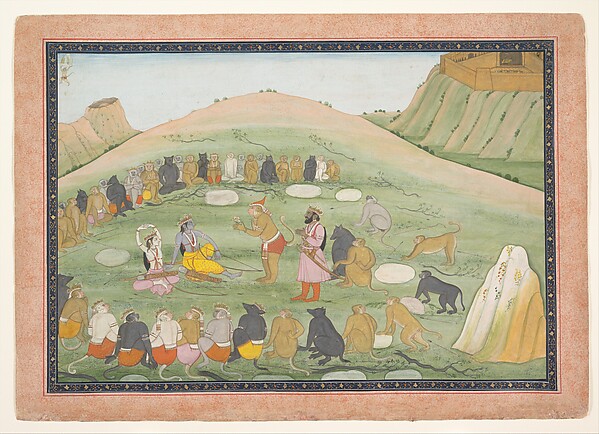
Hanuman Revives Rama and Lakshmana with Medicinal Herbs: Illustrated folio from a dispersed Ramayana series
Nainsukh (d. 1778)
ca. 1790 · Ink and opaque watercolor on paper
Cleared · Public Domain
live
Hanuman Bearing the Mountaintop with Medicinal Herbs
Unrecorded maker
ca. 1800 · Ink and opaque watercolor on cloth
Cleared · Public Domain
live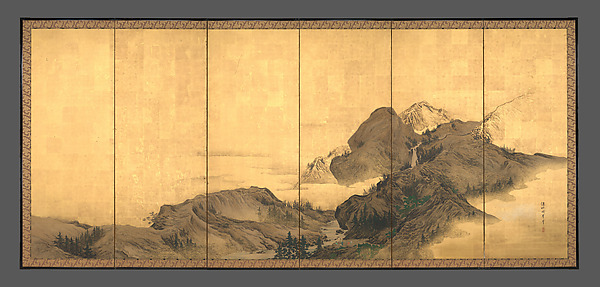
Landscape with Pavilion
Mori Shūhō (d. 1823)
early 19th century · Pair of six-panel folding screens; ink, color, gold flecks, and gold leaf on paper
Cleared · Public Domain
live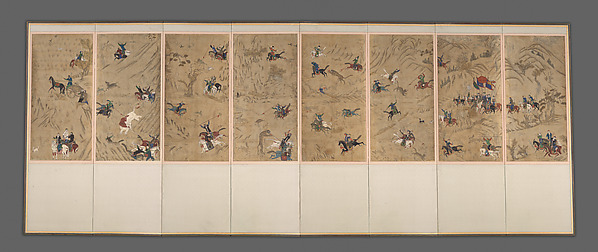
Hunting screen
Unidentified artists
19th century · Eight-panel folding screen, ink and color on paper
Cleared · Public Domain
live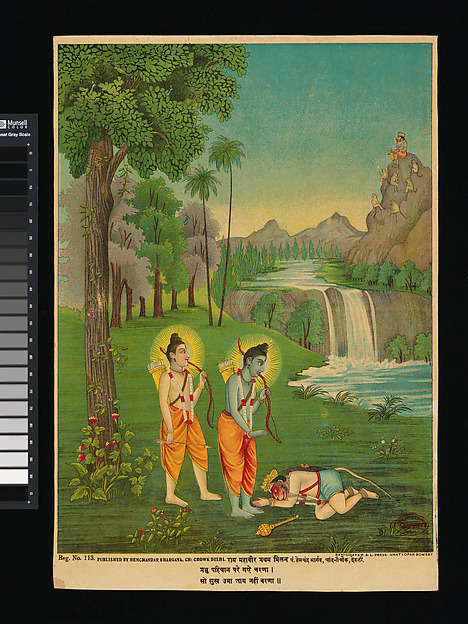
Rama, Lakshmana, and Hanuman
Unrecorded maker
1910–15 · Chromolithographic on paper
Cleared · Public Domain
liveNo open reproduction
The institution withholds the image for this record, which is itself the answer: the picture on their page is not theirs to give away.
Hanuman (Mahabir Bajrang Bali)
Khubiram Gopilal (d. 1970)
ca. 1930s · Photo-offset lithograph on paper
In copyright
liveNo open reproduction
The institution withholds the image for this record, which is itself the answer: the picture on their page is not theirs to give away.
Ode to the Valley of Wonderment
Raqib Shaw (d. 9999)
2017–19 · Acrylic liner and enamel on Birch wood
In copyright
liveNo open reproduction
The institution withholds the image for this record, which is itself the answer: the picture on their page is not theirs to give away.
A Monkey Mountain Kronikle
Tom Hück (d. 9999)
2018–22 · Woodcut, printed recto and verso on four sheets of Torinoko Japanese Paper using Tom Hück's Outlaw Black Relief Ink by Gamblin and an overleaf printed on black paper with white ink; the three leaves of the triptych connected with stickers
In copyright
live1. Pin the work
Choose the record and say what you are actually going to do with it. The product re-reads the work live and stores a snapshot, so your docket records what the institution said today.
2. Read the arithmetic
Six weighted factors: the institution's own claim, the creator's term, the publication-age rule, the restrictions in their statement, your use, and whether a credit line is even possible.
3. Seal and export
Record the decision into a SHA-384 chain, then export a dated docket as JSON, CSV or Markdown with the credit line and the seal a colleague can re-verify.