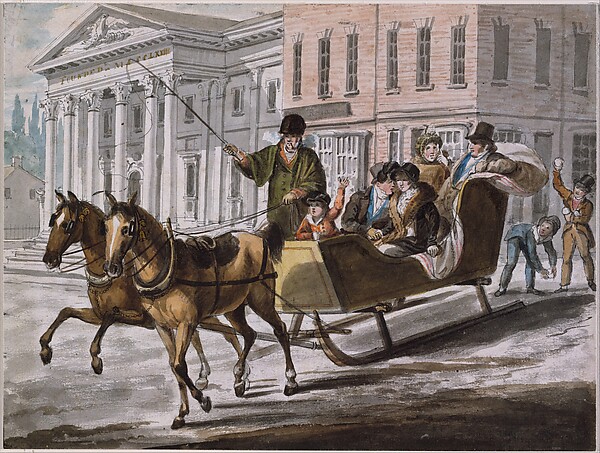
Winter Scene in Philadelphia—The Bank of the United States in the Background
John Lewis Krimmel (d. 1821)
1811–ca. 1813 · Watercolor, black ink, and gum arabic on white wove paper
Cleared · Public Domain
liveThe MetSimilar
Rights clearance desk for images
Museums publish two different things about the same artwork: whether the work is in copyright, and whether their picture of it is. OpenPlate reads both, does the arithmetic on the published term, and shows you the sentence behind every point of the score.
Where this page got its records
277 ms. The Metropolitan Museum of Art, Collection API (Open Access)
309 ms. The Cleveland Museum of Art, Open Access API
2 of 2 providers answered live. 53,787 matching records exist across the two collections.
Institutions answered newest-first by record, interleaved
Winter Scene in Philadelphia—The Bank of the United States in the Background
John Lewis Krimmel (d. 1821)
1811–ca. 1813 · Watercolor, black ink, and gum arabic on white wove paper
Cleared · Public Domain
live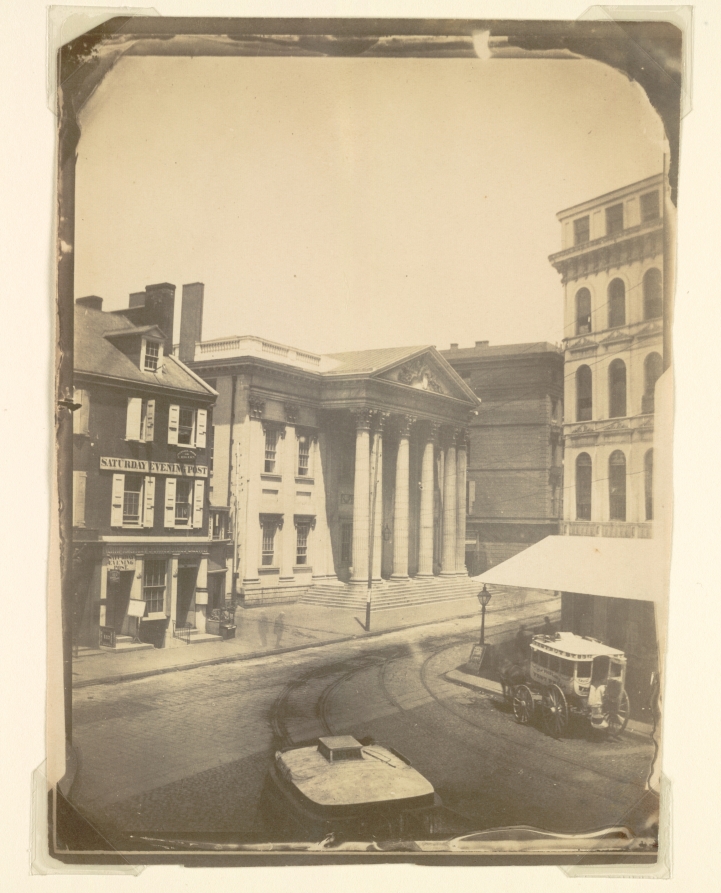
First Bank of the United States, Philadelphia
Frederick DeBourg Richards (d. 1903)
1859 · Photograph, salted paper print from wet collodion negative
Cleared · CC0
live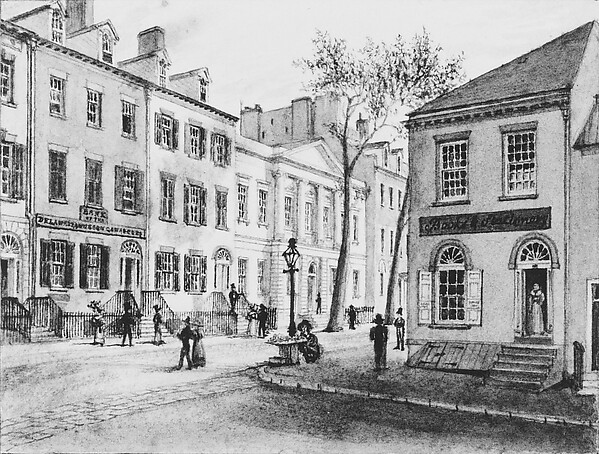
United States Branch Bank, Wall Street
Charles W. Burton (d. 1849)
1831 · Watercolor and graphite on off-white wove paper
Cleared · Public Domain
live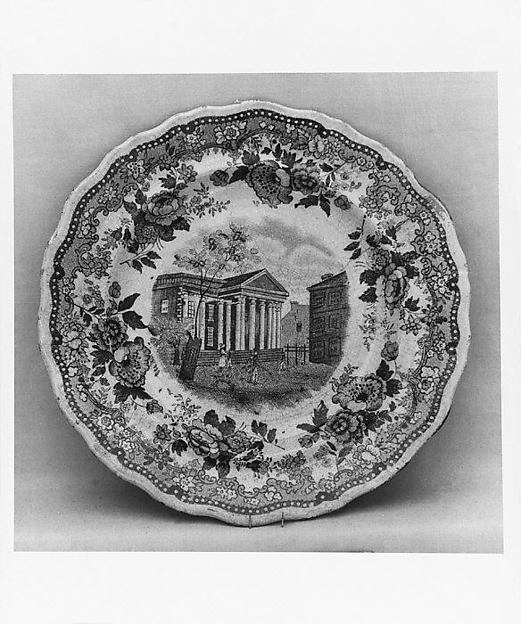
Girards Bank / Philadelphia
Job & John Jackson (d. 1835)
ca. 1831–ca. 1835 · Earthenware, transfer-printed
Cleared · Public Domain
live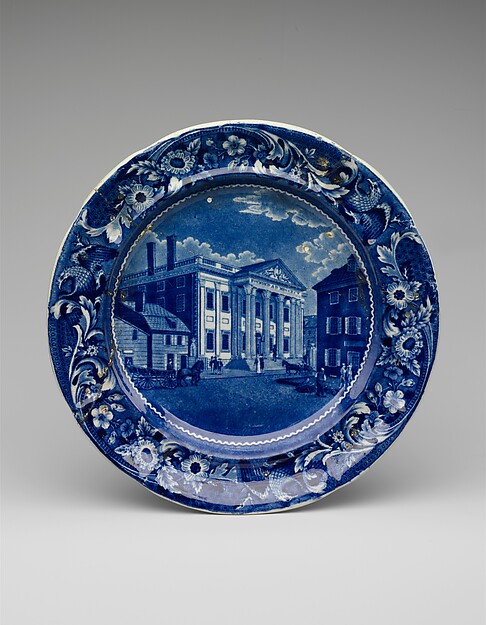
Bank of the/ UNITED STATES/ Philadelphia
Joseph Stubbs (d. 1836)
ca. 1822–ca. 1836 · Earthenware, transfer-printed
Cleared · Public Domain
liveNo open reproduction
The institution withholds the image for this record, which is itself the answer: the picture on their page is not theirs to give away.
Gerard's [Girard's] Bank, Philadelphia, from "Atlas til Friherre Klinckowströms Bref om de Förente Staterne" (Atlas to accompany Baron Klinckowström's Letters Written on a Journey to the United States, 1818–20)
Axel Klinckowström (d. 1837)
1824 · Etching and aquatint
In copyright
liveNo open reproduction
The institution withholds the image for this record, which is itself the answer: the picture on their page is not theirs to give away.
Ansicht der Bank der Vereinigten Staaten zu Philadelphia (View of the Bank of the United States, Philadelphia)
Albert Henry Payne (d. 1902)
ca. 1850 · Steel engraving
In copyright
liveNo open reproduction
The institution withholds the image for this record, which is itself the answer: the picture on their page is not theirs to give away.
Merchants and Mechanics Bank Two Dollar Note
American Bank Note Company (d. 2050)
1861 · Engraving
In copyright
liveNo open reproduction
The institution withholds the image for this record, which is itself the answer: the picture on their page is not theirs to give away.
New Jersey Beverly Bank Currency–Three Dollars 1861
American Bank Note Company (d. 2050)
1861 · Engraving
In copyright
liveNo open reproduction
The institution withholds the image for this record, which is itself the answer: the picture on their page is not theirs to give away.
United States Fractional Currency–Ten Cents
American Bank Note Company (d. 2050)
1863 · Engraving
In copyright
liveNo open reproduction
The institution withholds the image for this record, which is itself the answer: the picture on their page is not theirs to give away.
Corn Exchange Bank Three Dollar Note
American Bank Note Company (d. 2050)
1864 · Engraving
In copyright
liveNo open reproduction
The institution withholds the image for this record, which is itself the answer: the picture on their page is not theirs to give away.
United States Fractional Currency–Fifty Cents
American Bank Note Company (d. 2050)
1875 · Engraving
In copyright
live1. Pin the work
Choose the record and say what you are actually going to do with it. The product re-reads the work live and stores a snapshot, so your docket records what the institution said today.
2. Read the arithmetic
Six weighted factors: the institution's own claim, the creator's term, the publication-age rule, the restrictions in their statement, your use, and whether a credit line is even possible.
3. Seal and export
Record the decision into a SHA-384 chain, then export a dated docket as JSON, CSV or Markdown with the credit line and the seal a colleague can re-verify.