
Allegory of Virtues and Vices at the Court of Charles V
Hans Daucher (d. 1538)
ca. 1522 · Honestone (Jurassic limestone), traces of gilding
Cleared · Public Domain
liveThe MetSimilar
Rights clearance desk for images
Museums publish two different things about the same artwork: whether the work is in copyright, and whether their picture of it is. OpenPlate reads both, does the arithmetic on the published term, and shows you the sentence behind every point of the score.
Where this page got its records
391 ms. The Metropolitan Museum of Art, Collection API (Open Access)
299 ms. The Cleveland Museum of Art, Open Access API
2 of 2 providers answered live. 31 matching records exist across the two collections.
Institutions answered newest-first by record, interleaved
Allegory of Virtues and Vices at the Court of Charles V
Hans Daucher (d. 1538)
ca. 1522 · Honestone (Jurassic limestone), traces of gilding
Cleared · Public Domain
live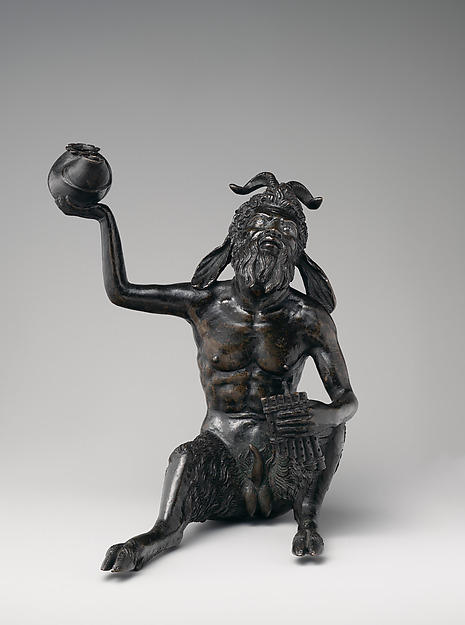
Seated satyr with silvered eyes
Andrea Briosco, called Riccio (d. 1532)
second quarter of the 16th century · Bronze, silver inlay (eyes)
Cleared · Public Domain
live
Saint Sebastian
Alessandro Vittoria (Alessandro Vittoria di Vigilio della Volpa) (d. 1608)
1566 · Bronze
Cleared · Public Domain
live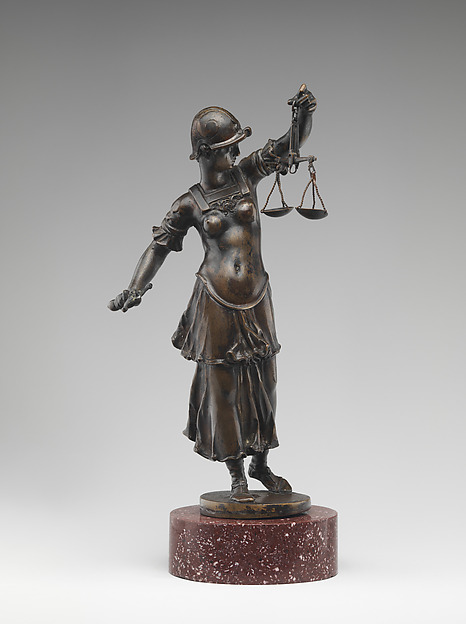
Justice
Bartolomeo Ammanati (Ammannati) (d. 1592)
possibly modeled ca. 1565, possibly cast late 16th century · Bronze, on a later porphyry base
Cleared · Public Domain
live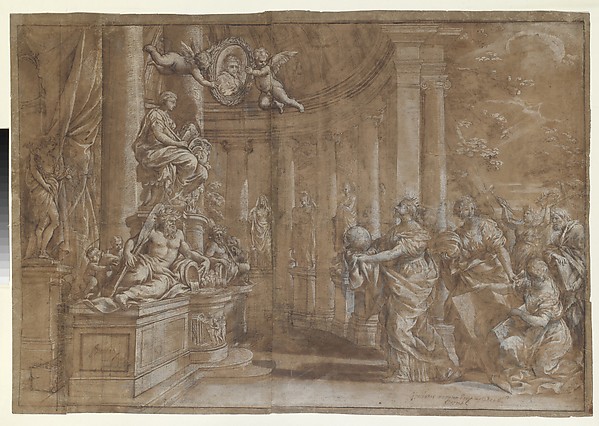
Design for a Thesis Print with an Allegory of Knowledge and Portrait of Cardinal Antonio Barberini the Younger (1607–1671)
Pietro da Cortona (Pietro Berrettini) (d. 1669)
ca. 1635 · Pen and brown ink, brush and brown wash, highlighted with white, over black chalk, on brown paper
Cleared · Public Domain
live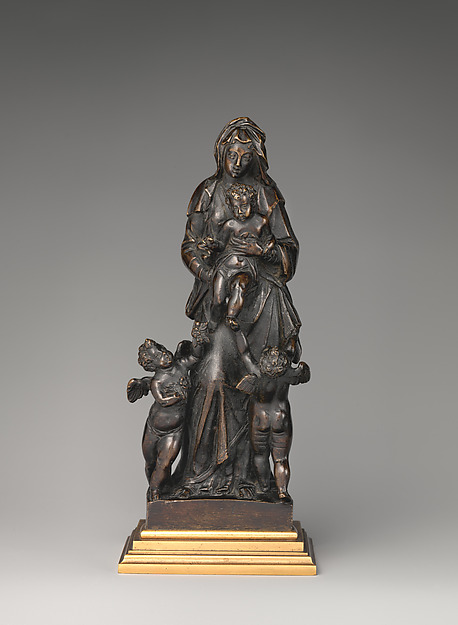
Virgin and child with angels
Unrecorded maker
ca. 1630 · Bronze, on a later gilt base
Cleared · Public Domain
live
Study for the Age of Bronze
Pietro da Cortona (Pietro Berrettini) (d. 1669)
1637 · Pen and brown ink, brush and brown wash, over black chalk
Cleared · Public Domain
live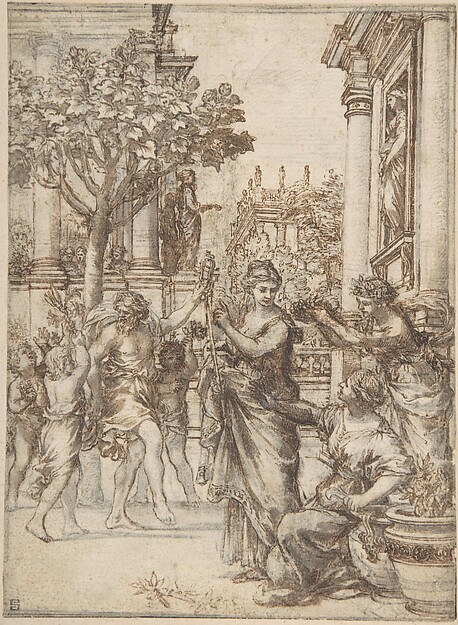
The Triumph of Nature Over Art (design for an engraving of 'De Florum Cultura')
Pietro da Cortona (Pietro Berrettini) (d. 1669)
ca. 1633 · Pen and brown ink, brush and brown wash, over black chalk
Cleared · Public Domain
live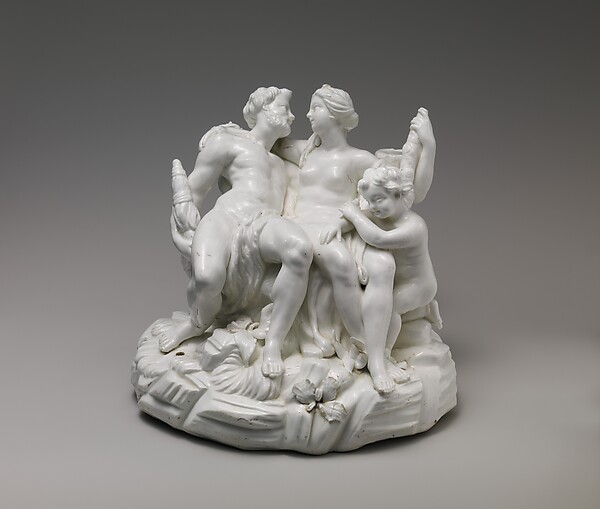
Hercules and Omphale
Vincennes Manufactory (d. 1756)
ca. 1749–50 · Soft-paste porcelain
Cleared · Public Domain
live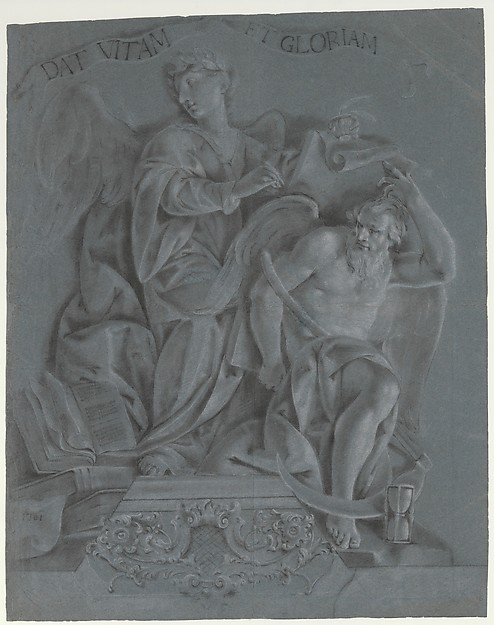
Allegory of History, with Time
Vittorio Maria Bigari (d. 1776)
1761 · Black chalk, stumped, highlighted with white chalk, on dark blue paper
Cleared · Public Domain
live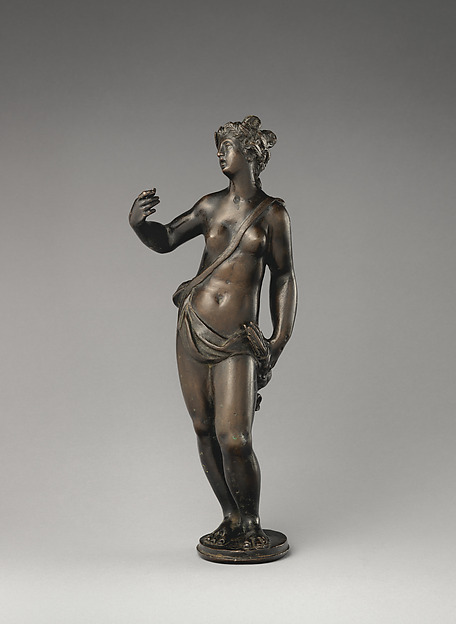
Ceres
Girolamo Campagna (d. 1625)
possibly 17th century · Bronze
Cleared · Public Domain
live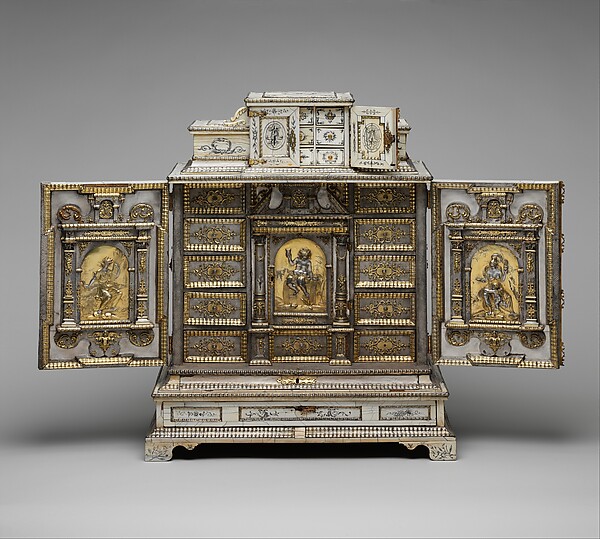
Cabinet
Melchior Baumgartner
ca. 1655–59, engraved decorations ca. 1825–50 · Oak, pine, walnut, cedar, ebony, and rosewood; ivory veneer and silver veneer; silver; silver-gilt moldings; gilded yellow-metal mounts; the drawers lined with aquamarine-colored silk
Cleared · Public Domain
live1. Pin the work
Choose the record and say what you are actually going to do with it. The product re-reads the work live and stores a snapshot, so your docket records what the institution said today.
2. Read the arithmetic
Six weighted factors: the institution's own claim, the creator's term, the publication-age rule, the restrictions in their statement, your use, and whether a credit line is even possible.
3. Seal and export
Record the decision into a SHA-384 chain, then export a dated docket as JSON, CSV or Markdown with the credit line and the seal a colleague can re-verify.