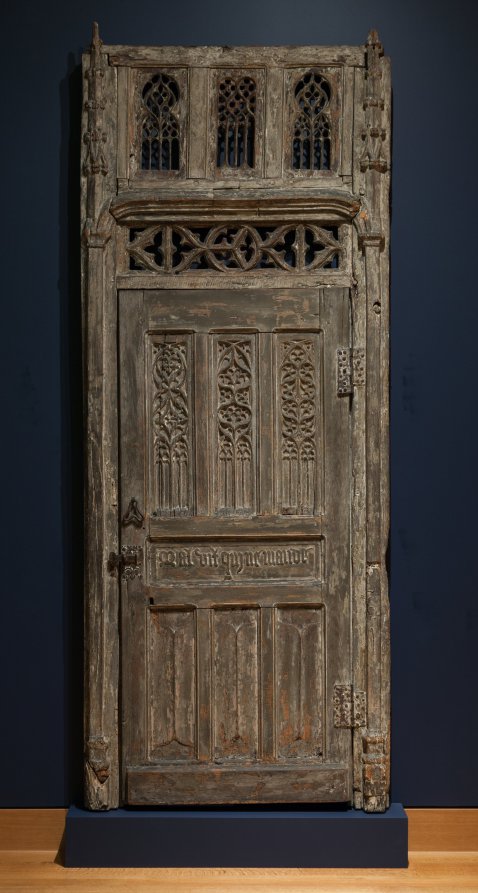
Door and Frame
Unrecorded maker
late 1400s · Furniture and woodwork, oak with traces of polychromy
Cleared · CC0
liveCleveland Museum of ArtSimilar
Rights clearance desk for images
Museums publish two different things about the same artwork: whether the work is in copyright, and whether their picture of it is. OpenPlate reads both, does the arithmetic on the published term, and shows you the sentence behind every point of the score.
Where this page got its records
The Metropolitan Museum of Art did not answer: met answered HTTP 403
309 ms. The Cleveland Museum of Art, Open Access API
1 of 2 providers answered live. 10 matching records exist across the two collections.
Institutions answered newest-first by record, interleaved
Door and Frame
Unrecorded maker
late 1400s · Furniture and woodwork, oak with traces of polychromy
Cleared · CC0
live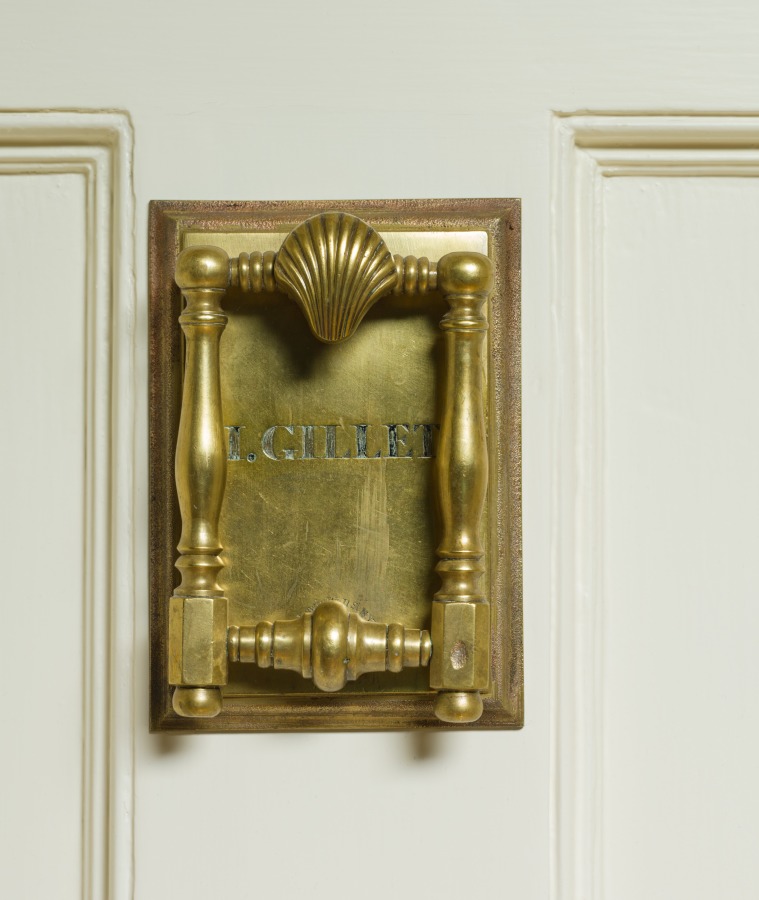
Door Knocker from the Isaac Gillet House, Painesville, Ohio
Jonathan Goldsmith (d. 1847)
c. 1840 · Metalwork, brass
Cleared · CC0
live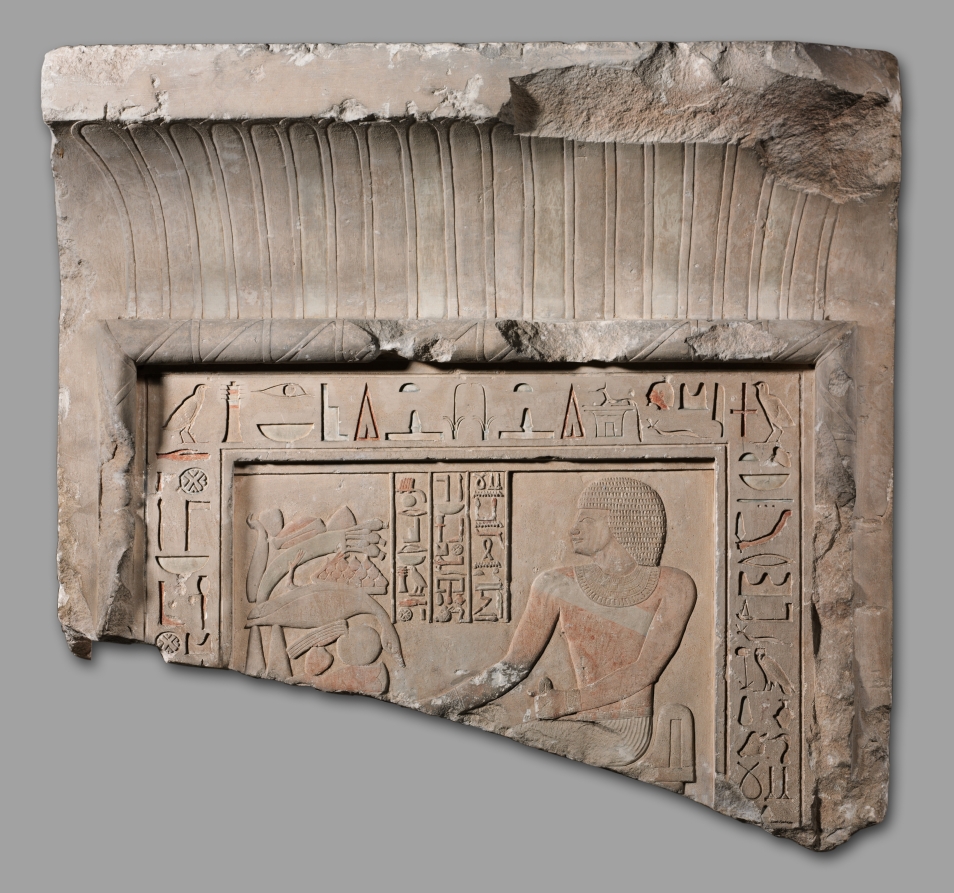
Stele of Shemai
Unrecorded maker
c. 1960–1916 BCE · Funerary Equipment, painted limestone
Cleared · CC0
live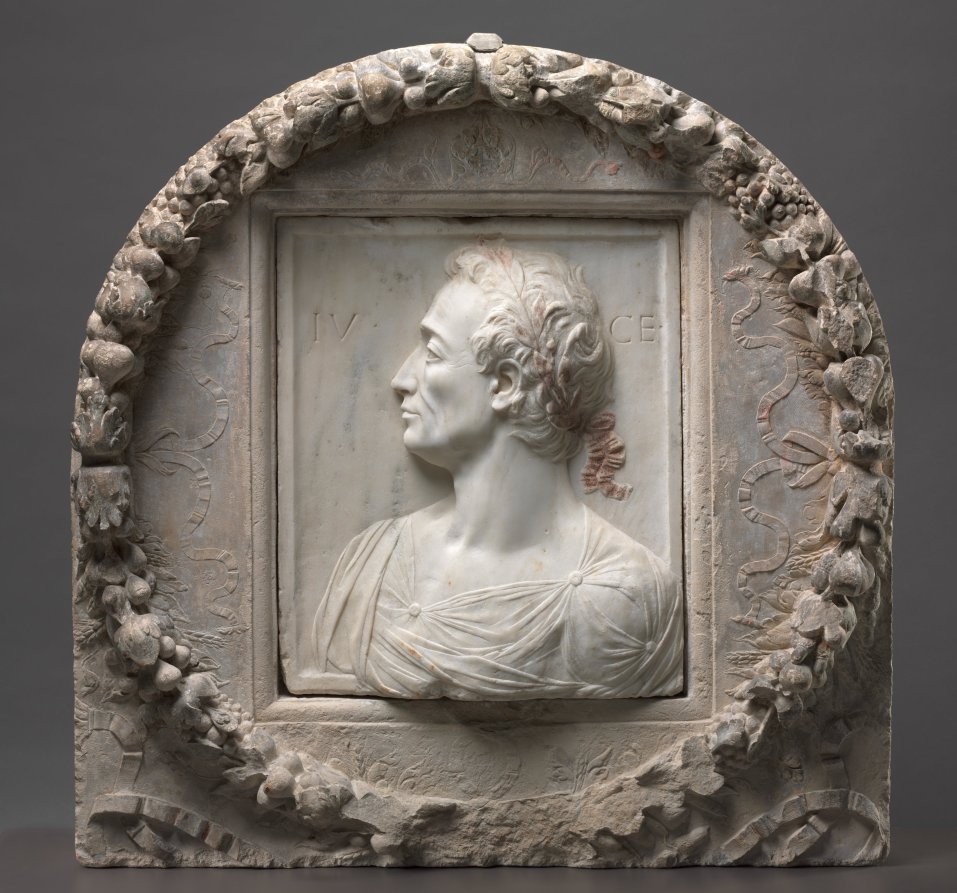
Julius Caesar
Mino da Fiesole (d. 1484)
c. 1455–60 · Sculpture, marble with traces of bole (red clay) and limestone with traces of paint
Cleared · CC0
live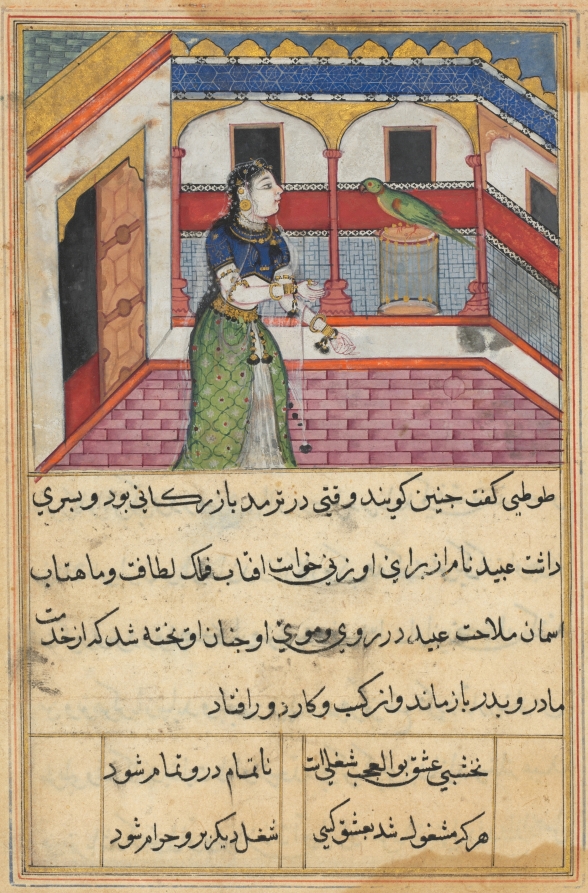
The parrot addresses Khujasta at the beginning of the forty-second night, from a Tuti-nama (Tales of a Parrot)
Unrecorded maker
c. 1560 · Painting, gum tempera, ink, and gold on paper
Cleared · CC0
live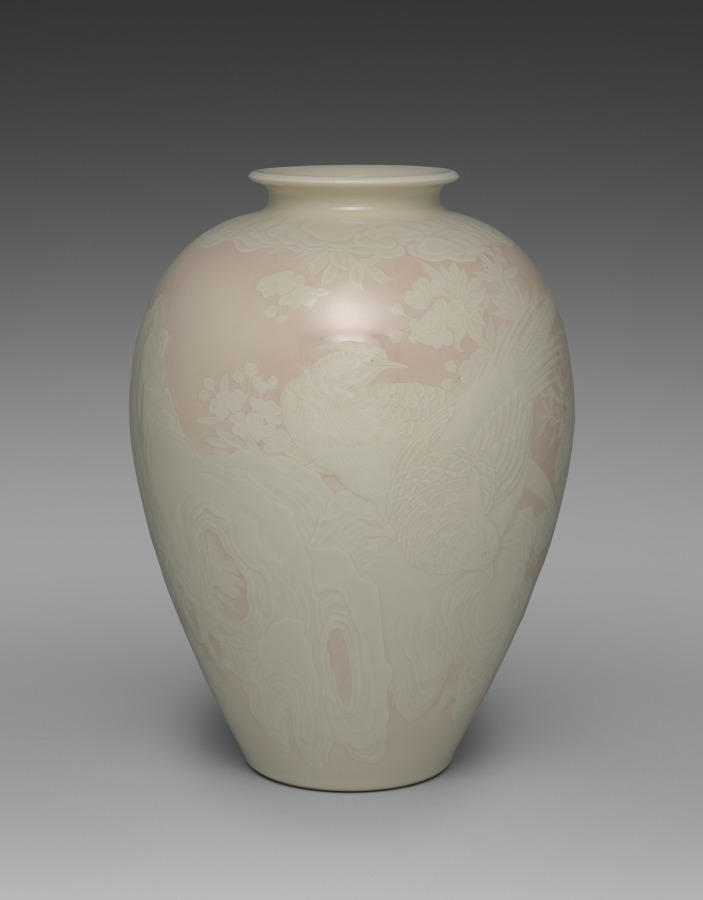
Pheasants in Cherry
Seifū Yohei III (d. 1914)
1900–1914 · Ceramic, Porcelain with molded and carved design, underglaze color, and cream glaze
Cleared · CC0
live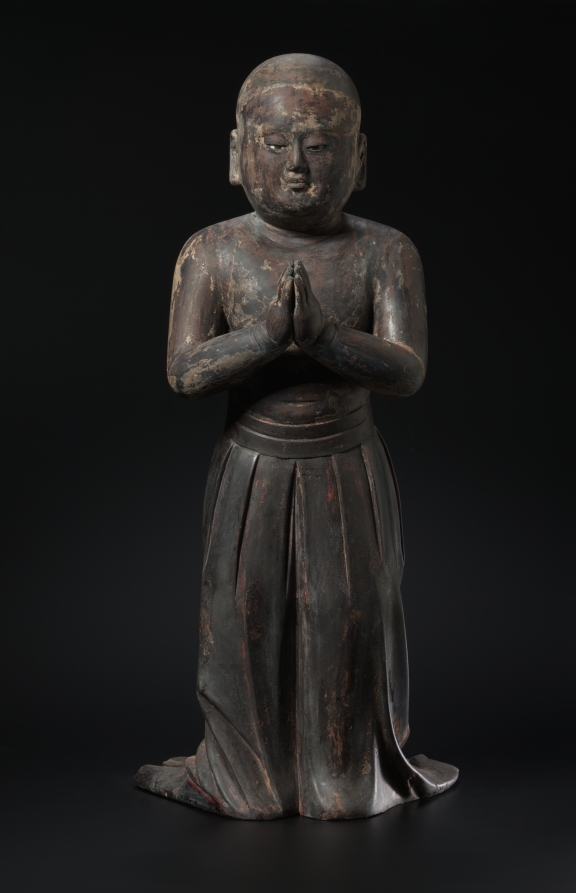
Prince Shōtoku at Age Two (Shōtoku Taishi)
Unrecorded maker
early 1300s · Sculpture, Wood with lacquer, color, and rock-crystal inlaid eyes
Cleared · CC0
live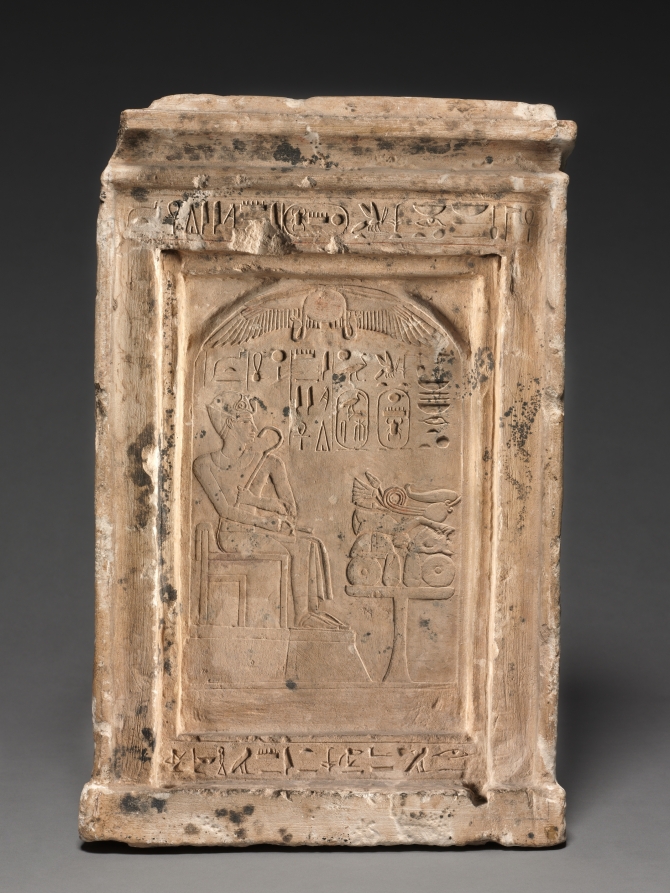
Domestic Shrine
Unrecorded maker
c. 1479–1425 BCE · Sculpture, limestone, originally painted
Cleared · CC0
live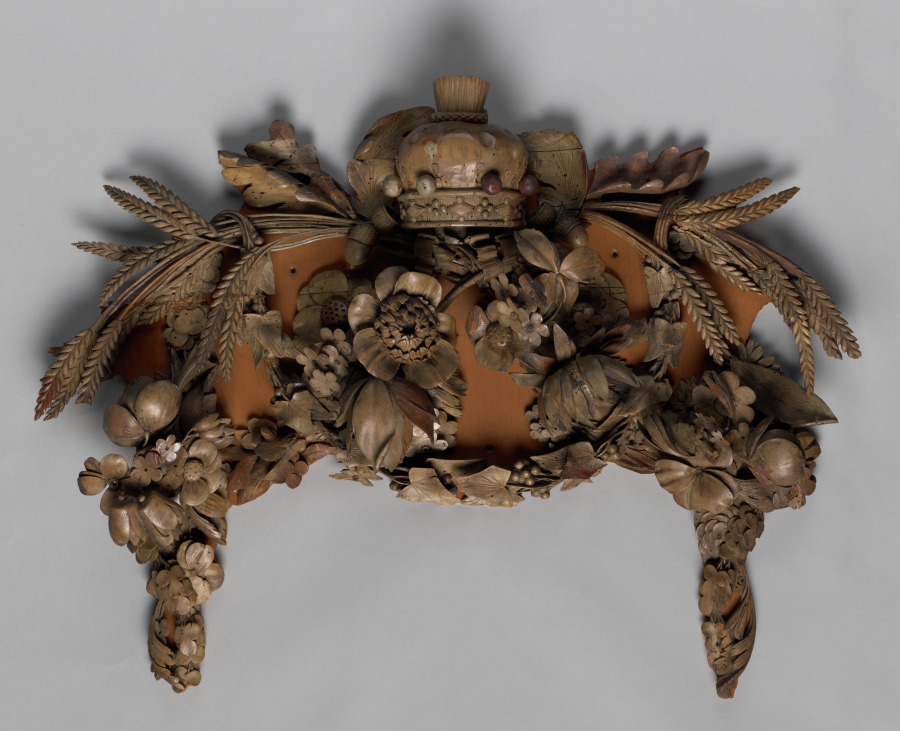
Overdoor Decoration
Grinling Gibbons (d. 1721)
c. 1675–1677 · Sculpture, limewood
Cleared · CC0
live1. Pin the work
Choose the record and say what you are actually going to do with it. The product re-reads the work live and stores a snapshot, so your docket records what the institution said today.
2. Read the arithmetic
Six weighted factors: the institution's own claim, the creator's term, the publication-age rule, the restrictions in their statement, your use, and whether a credit line is even possible.
3. Seal and export
Record the decision into a SHA-384 chain, then export a dated docket as JSON, CSV or Markdown with the credit line and the seal a colleague can re-verify.