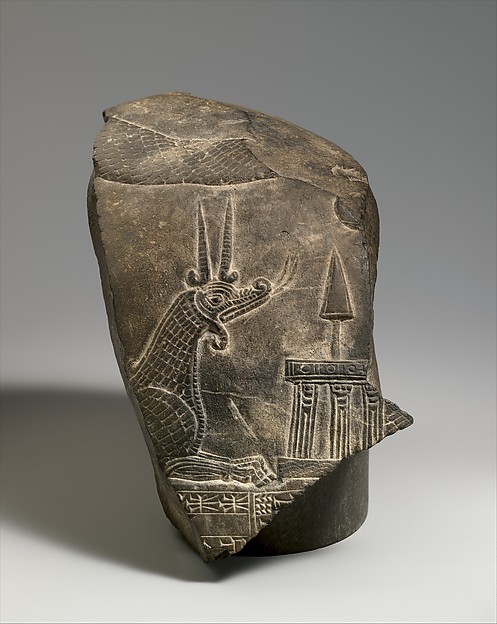
Top fragment of a kudurru with a mushhushshu dragon and divine symbols
Unrecorded maker
ca. 1156–1025 BCE · Limestone
Cleared · Public Domain
liveThe MetSimilar
Rights clearance desk for images
Museums publish two different things about the same artwork: whether the work is in copyright, and whether their picture of it is. OpenPlate reads both, does the arithmetic on the published term, and shows you the sentence behind every point of the score.
Where this page got its records
312 ms. The Metropolitan Museum of Art, Collection API (Open Access)
336 ms. The Cleveland Museum of Art, Open Access API
2 of 2 providers answered live. 74 matching records exist across the two collections.
Institutions answered newest-first by record, interleaved
Top fragment of a kudurru with a mushhushshu dragon and divine symbols
Unrecorded maker
ca. 1156–1025 BCE · Limestone
Cleared · Public Domain
live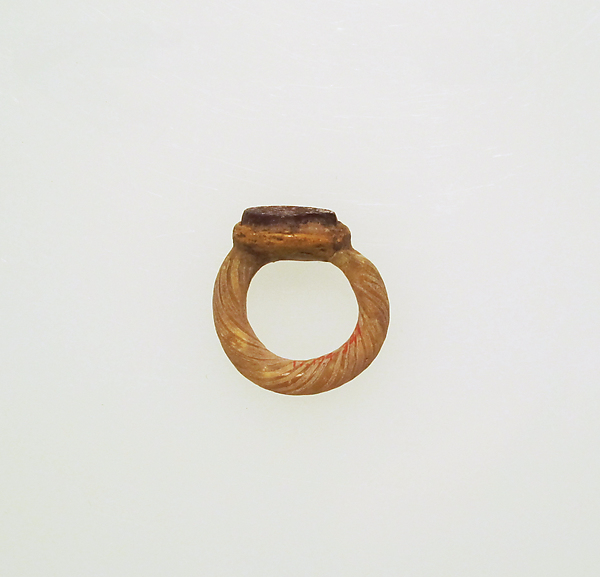
Glass finger ring
Unrecorded maker
1st century CE · Glass
Cleared · Public Domain
live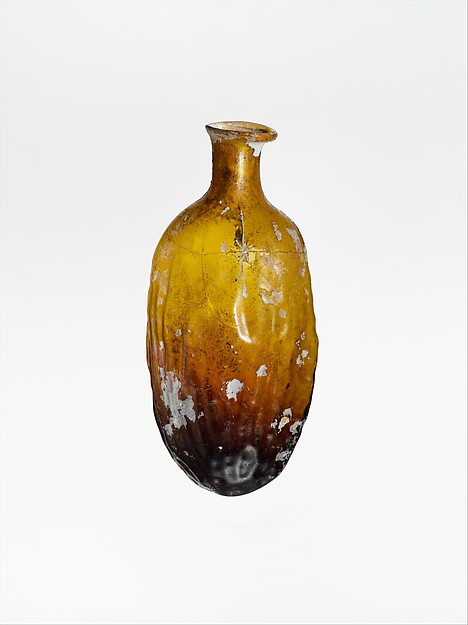
Glass bottle shaped like a date
Unrecorded maker
mid-1st–early 2nd century CE · Glass
Cleared · Public Domain
live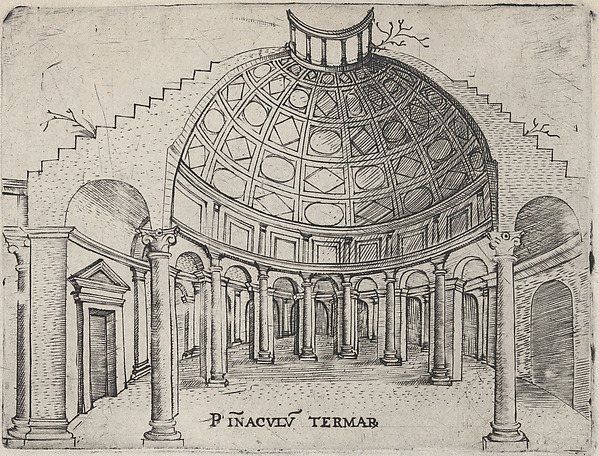
Pinaculu Termar (sic), from a series depicting (reconstructed) buildings from Roman antiquity
Anonymous, Italian, 16th century (d. 1600)
ca. 1530–50 · Engraving
Cleared · Public Domain
live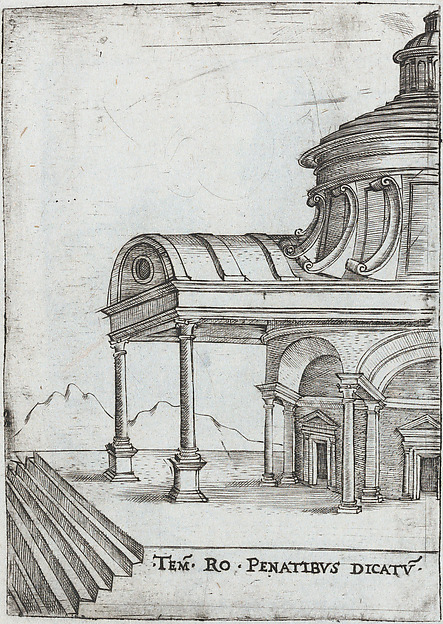
Pinaculu Termar, from a Series of Prints depicting (reconstructed) Buildings from Roman Antiquity
Monogrammist G.A. with the Caltrop (d. 1535)
Plate ca. 1530–1550 · Engraving [plate has very sharp edges]
Cleared · Public Domain
live![Cross-Section of Round Temple [Pinaculu Termar], from "Ruinarum variarum fabricarum delineationes pictoribus caeterisque id genus artificibus multum utiles" by Lambert Suavius, The Metropolitan Museum of Art](https://images.metmuseum.org/CRDImages/dp/web-large/DP823057.jpg)
Cross-Section of Round Temple [Pinaculu Termar], from "Ruinarum variarum fabricarum delineationes pictoribus caeterisque id genus artificibus multum utiles"
Lambert Suavius (d. 1576)
1554 · Etching
Cleared · Public Domain
live![Ruin of a round Temple [Templum Idor Egito], from "Ruinarum variarum fabricarum delineationes pictoribus caeterisque id genus artificibus multum utiles" by Lambert Suavius, The Metropolitan Museum of Art](https://images.metmuseum.org/CRDImages/dp/web-large/DP823055.jpg)
Ruin of a round Temple [Templum Idor Egito], from "Ruinarum variarum fabricarum delineationes pictoribus caeterisque id genus artificibus multum utiles"
Lambert Suavius (d. 1576)
1554 · Etching
Cleared · Public Domain
live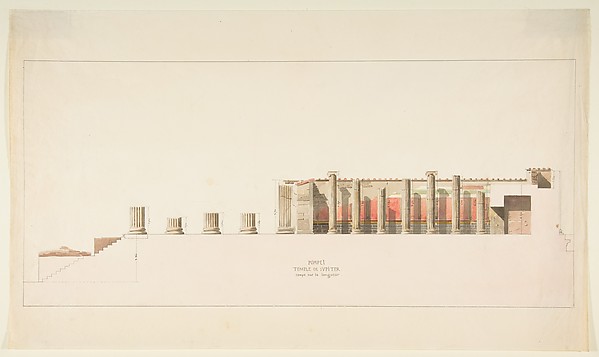
Cross-Section of the Temple of Jupiter, Pompeii
Anonymous, French, 19th century (d. 1900)
after 1825 · Pen and black ink, watercolor
Cleared · Public Domain
liveneu.jpg)
Clarinet in C
Firth, Hall & Pond
ca. 1833–45 · Wood, ivory, brass
Cleared · Public Domain
liveNo open reproduction
The institution withholds the image for this record, which is itself the answer: the picture on their page is not theirs to give away.
Tray of clay strips, round in cross section.
Unrecorded maker
ca. 1802–1450 B.C. · Low-fired whitish clay
In copyright
liveNo open reproduction
The institution withholds the image for this record, which is itself the answer: the picture on their page is not theirs to give away.
Coupe interieure d'un ancien Temple, from "Recueil de divers Monumens Anciens répandus en plusieurs endroits de L'Italie"
Jean Barbault (d. 1762)
1770 · Etching
In copyright
liveNo open reproduction
The institution withholds the image for this record, which is itself the answer: the picture on their page is not theirs to give away.
Cross-section of the Temple of Honor, and of Virtue, tavola 6 from "Raccolta de'Tempi Antichi, Prima Parte" (Collection of Antique Temples, First Part)
Francesco Piranesi (d. 1810)
ca. 1750–80 · Etching
In copyright
live1. Pin the work
Choose the record and say what you are actually going to do with it. The product re-reads the work live and stores a snapshot, so your docket records what the institution said today.
2. Read the arithmetic
Six weighted factors: the institution's own claim, the creator's term, the publication-age rule, the restrictions in their statement, your use, and whether a credit line is even possible.
3. Seal and export
Record the decision into a SHA-384 chain, then export a dated docket as JSON, CSV or Markdown with the credit line and the seal a colleague can re-verify.