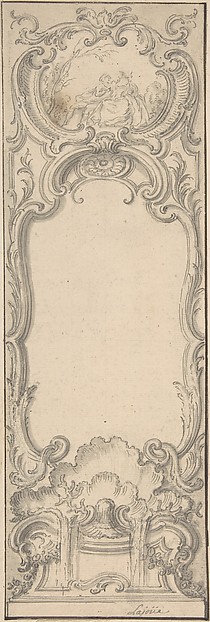
Design for a Folding Screen
Jacques de Lajoüe (d. 1761)
1761 · Pen and gray ink, brush and gray wash over traces of black chalk and graphite
Cleared · Public Domain
liveThe MetSimilar
Rights clearance desk for images
Museums publish two different things about the same artwork: whether the work is in copyright, and whether their picture of it is. OpenPlate reads both, does the arithmetic on the published term, and shows you the sentence behind every point of the score.
Where this page got its records
585 ms. The Metropolitan Museum of Art, Collection API (Open Access)
706 ms. The Cleveland Museum of Art, Open Access API
2 of 2 providers answered live. 6,200 matching records exist across the two collections.
Institutions answered newest-first by record, interleaved
Design for a Folding Screen
Jacques de Lajoüe (d. 1761)
1761 · Pen and gray ink, brush and gray wash over traces of black chalk and graphite
Cleared · Public Domain
live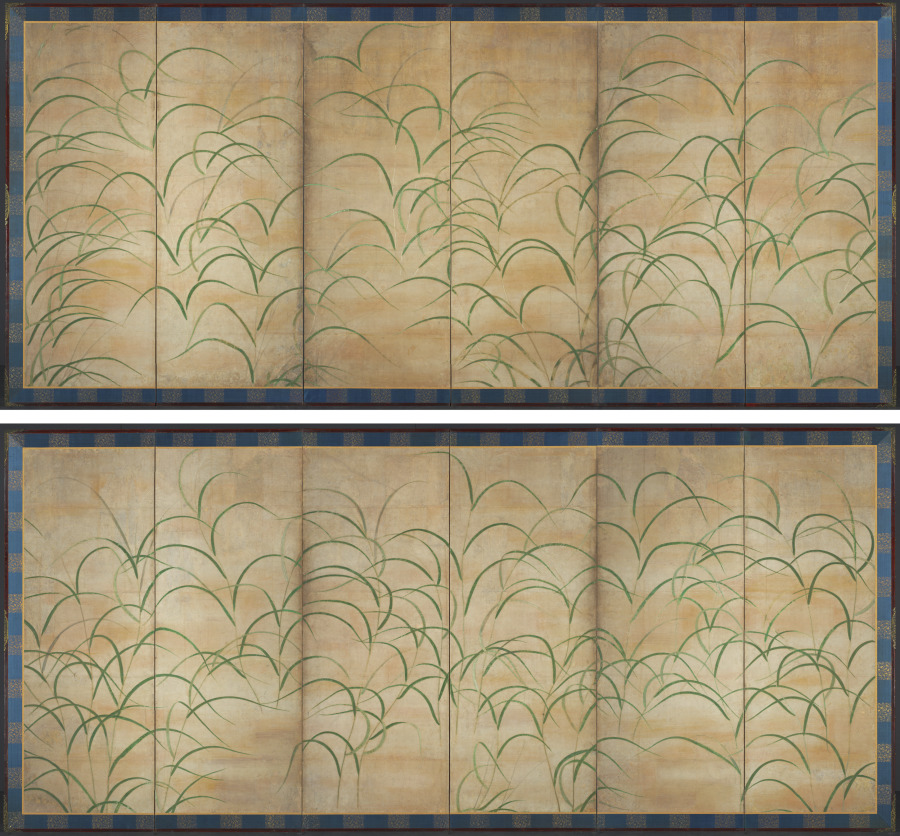
Susuki Grass
Unrecorded maker
c. 1525 · Painting, Pair of six-panel folding screens; ink, color, and gold on paper
Cleared · CC0
live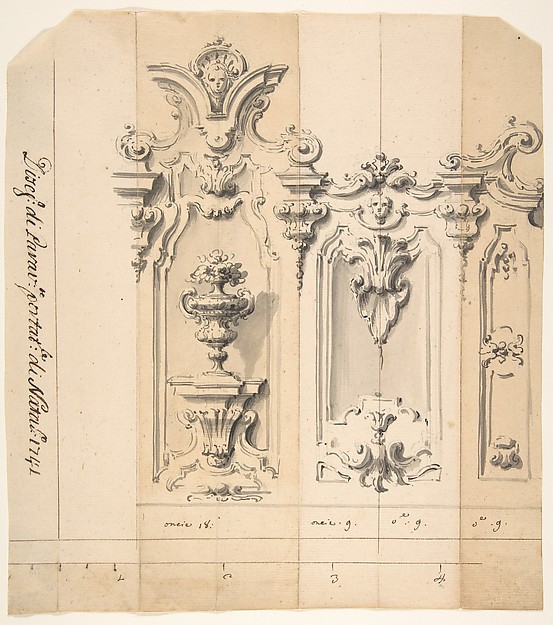
Design for a Portable Screen
Giovanni Battista Natali III (d. 1765)
1698–1765 · Pen and brown ink, brush and gray wash, over traces of graphite or black chalk
Cleared · Public Domain
live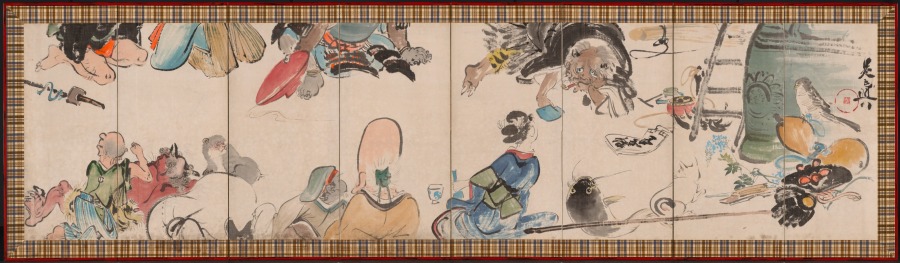
Gathering of Otsu-e Subjects
Shibata Zeshin (d. 1891)
late 1800s · Painting, Eight-panel folding screen; ink and color on hemp
Cleared · CC0
live
Folding stool (pliant) (one of a pair)
Jean-Baptiste-Claude Sené (d. 1803)
1786 · Carved and painted beechwood, covered in pink silk
Cleared · Public Domain
live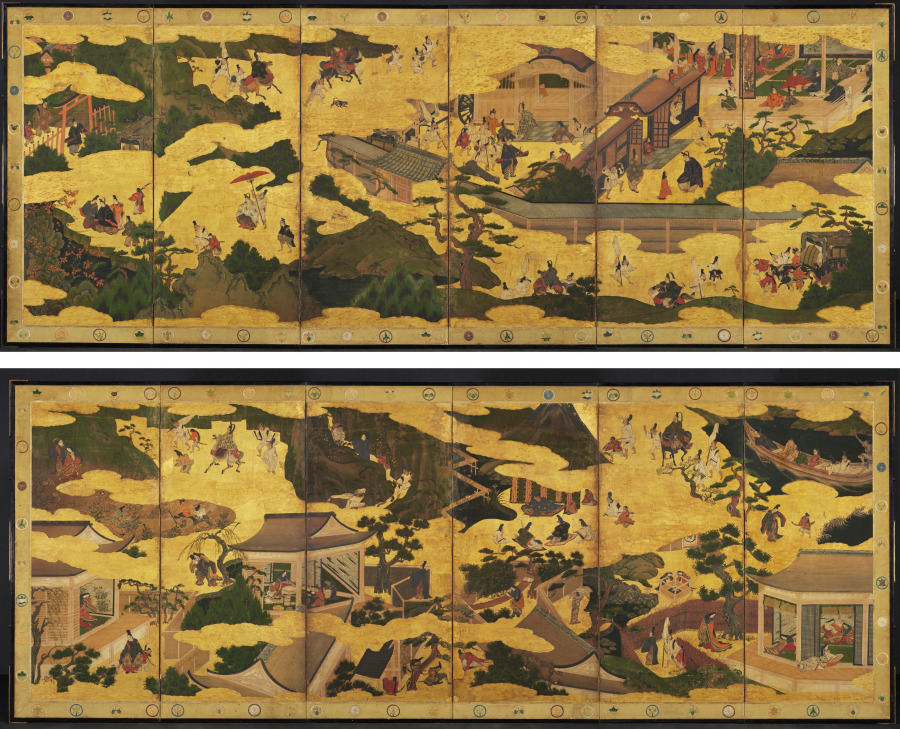
Scenes from the Tales of Ise
Unrecorded maker
mid-1600s · Painting, Pair of six-panel folding screens; ink, color, and gold on gilded paper
Cleared · CC0
liveFolding stool (pliant) (one of a pair)
Jean-Baptiste-Claude Sené (d. 1803)
1786 · Carved and painted beechwood, covered in pink silk
Cleared · Public Domain
live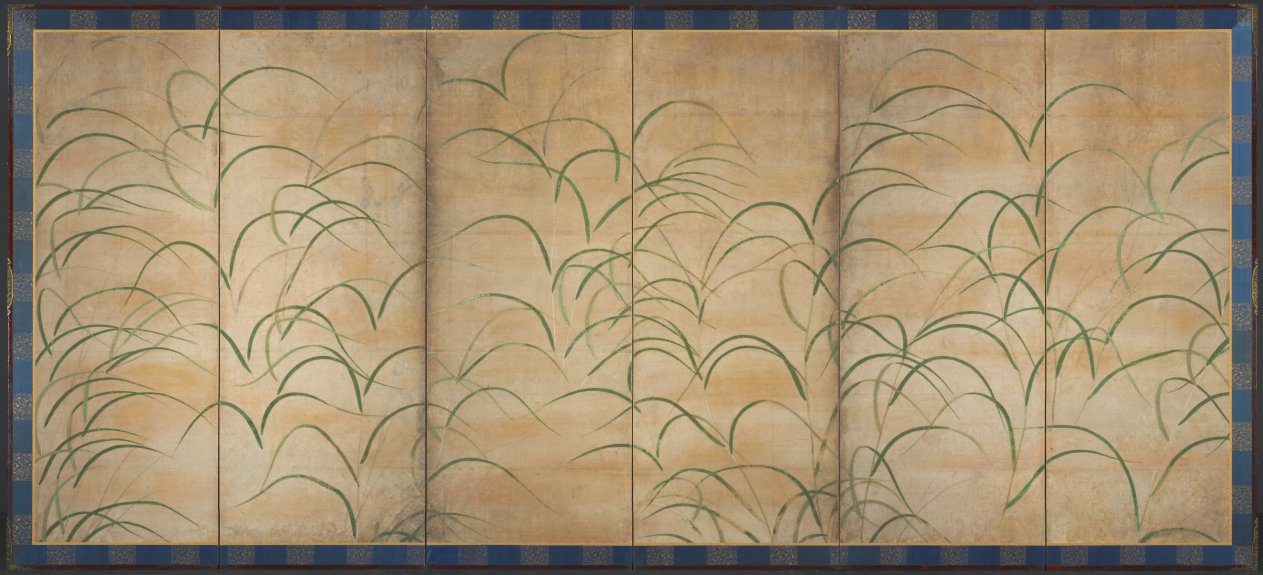
Susuki Grass
Unrecorded maker
c. 1525 · Painting, One of a pair of six-panel folding screens; ink, color, and gold on paper
Cleared · CC0
live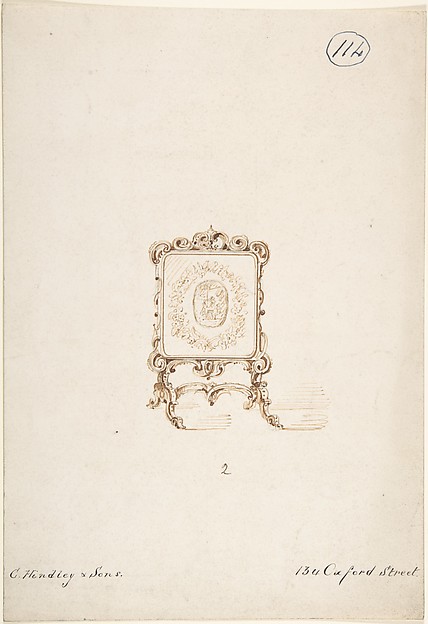
Design for a Screen
Charles Hindley and Sons (d. 1917)
1841–84 · Pen and brown ink over graphite
Cleared · Public Domain
live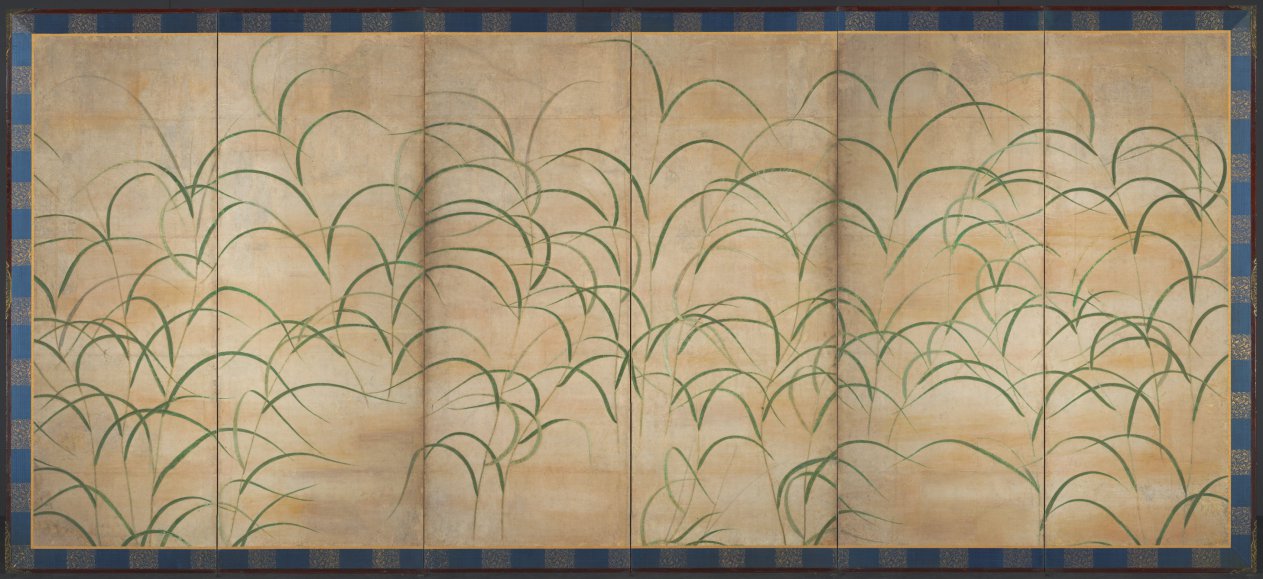
Susuki Grass
Unrecorded maker
c. 1525 · Painting, One of a pair of six-panel folding screens; ink, color, and gold on paper
Cleared · CC0
liveNo open reproduction
The institution withholds the image for this record, which is itself the answer: the picture on their page is not theirs to give away.
Design for a Handheld Fire Screen (Fan)
Hélène Forichon (d. 1989)
1915 · Graphite and watercolor on wove paper
In copyright
live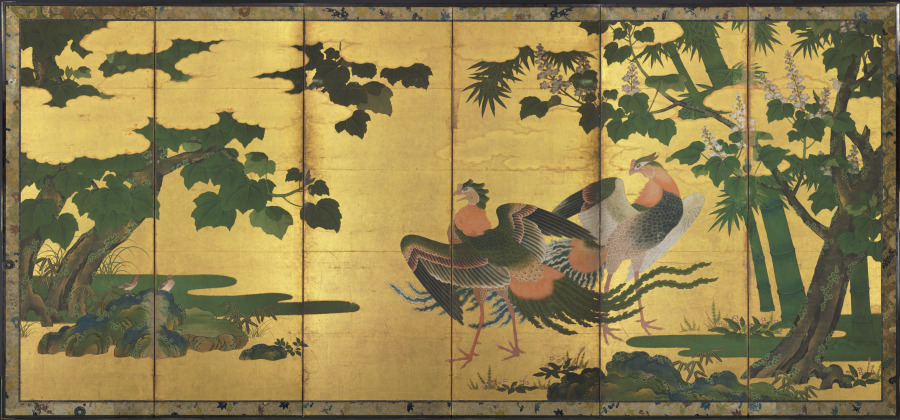
Phoenixes and Paulownia
Tosa Mitsuyoshi (d. 1613)
late 1500s · Painting, One of a pair of six-panel screens; ink, color, and gold on gilded paper
Cleared · CC0
live1. Pin the work
Choose the record and say what you are actually going to do with it. The product re-reads the work live and stores a snapshot, so your docket records what the institution said today.
2. Read the arithmetic
Six weighted factors: the institution's own claim, the creator's term, the publication-age rule, the restrictions in their statement, your use, and whether a credit line is even possible.
3. Seal and export
Record the decision into a SHA-384 chain, then export a dated docket as JSON, CSV or Markdown with the credit line and the seal a colleague can re-verify.