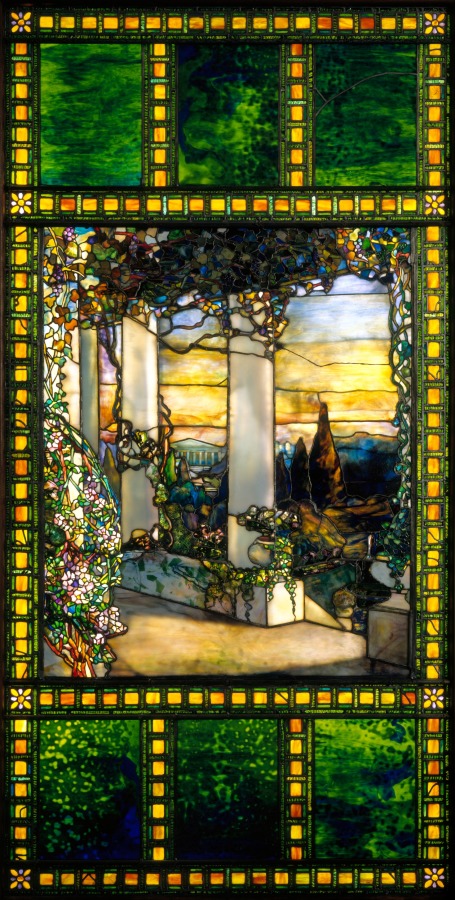
Hinds House Window
Tiffany Glass & Decorating Company (d. 1902)
c. 1900 · Glass, leaded glass
Cleared · CC0
liveCleveland Museum of ArtSimilar
Rights clearance desk for images
Museums publish two different things about the same artwork: whether the work is in copyright, and whether their picture of it is. OpenPlate reads both, does the arithmetic on the published term, and shows you the sentence behind every point of the score.
Where this page got its records
The Metropolitan Museum of Art did not answer: met answered HTTP 403
344 ms. The Cleveland Museum of Art, Open Access API
1 of 2 providers answered live. 32 matching records exist across the two collections.
Institutions answered newest-first by record, interleaved
Hinds House Window
Tiffany Glass & Decorating Company (d. 1902)
c. 1900 · Glass, leaded glass
Cleared · CC0
live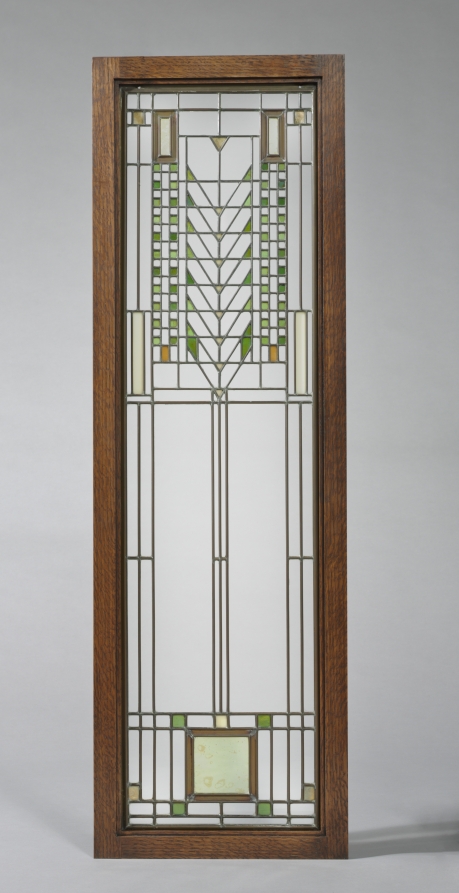
Casement Window
Frank Lloyd Wright (d. 1959)
c. 1904 · Glass, leaded glass panes in metal frame
Cleared · CC0
live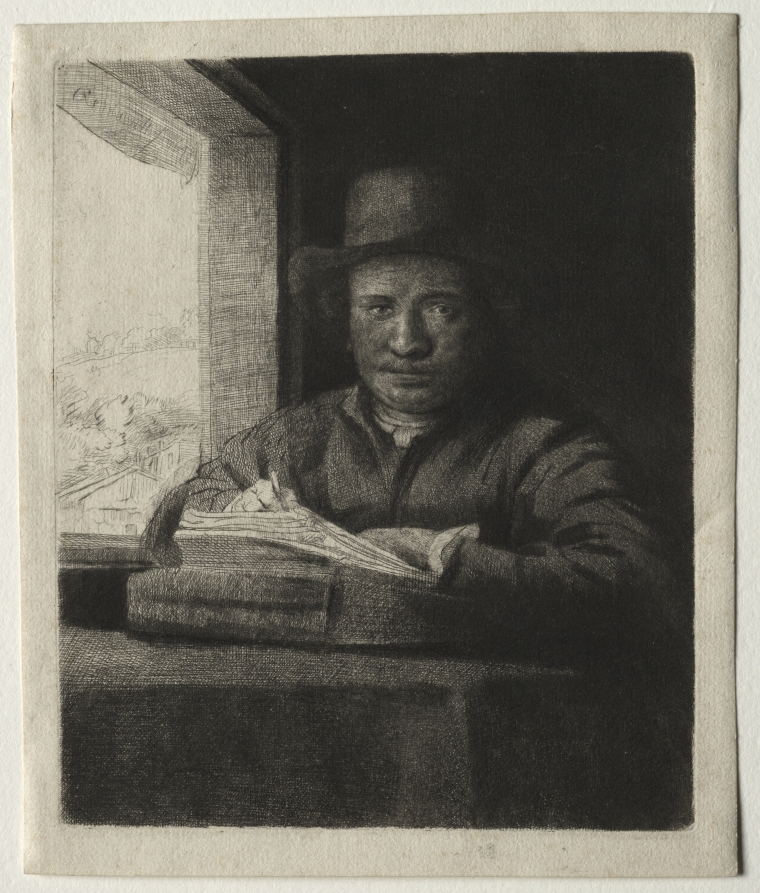
Self-Portrait Drawing at a Window
Rembrandt van Rijn (d. 1669)
1648 · Print, etching, drypoint, and engraving
Cleared · CC0
live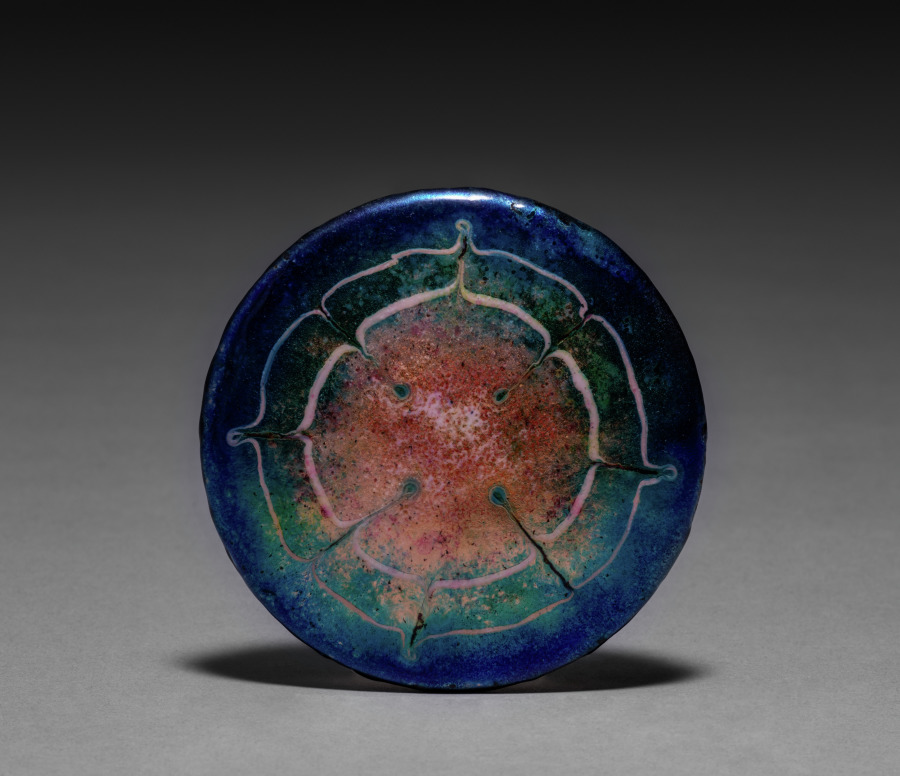
Cover for a Box
Louis Comfort Tiffany (d. 1933)
1898–1901 · Glass, enamel on copper
Cleared · CC0
live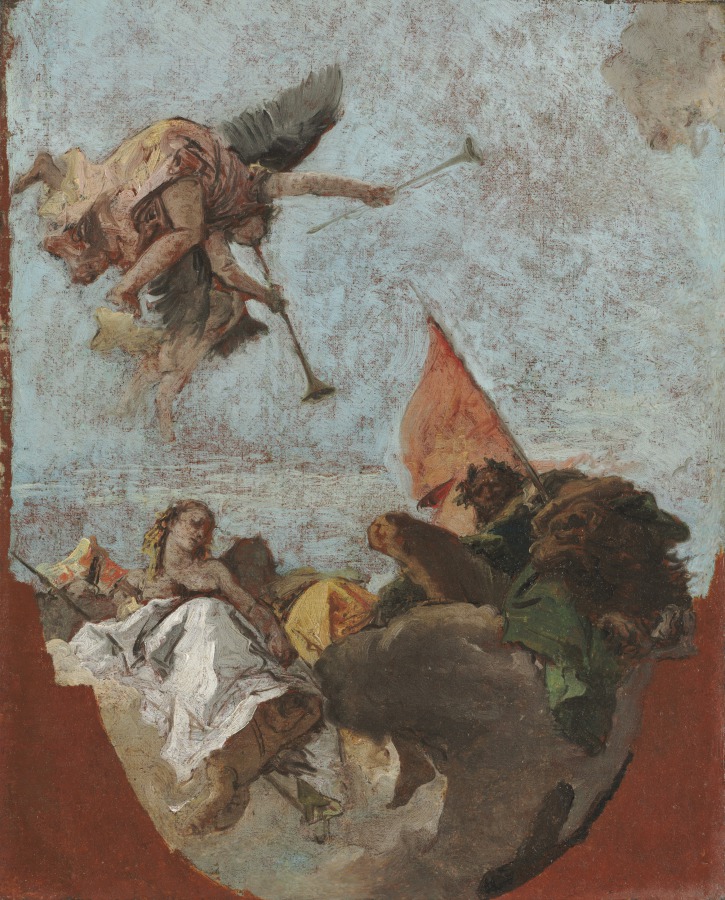
Sketch for a Ceiling
Giovanni Battista Tiepolo (d. 1770)
1750s · Painting, oil on canvas
Cleared · CC0
live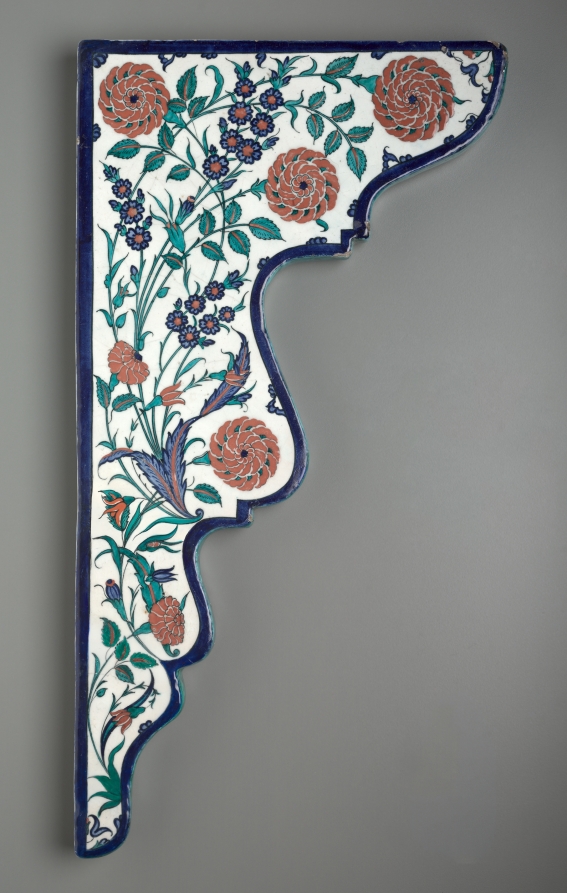
Tile Spandrel with Floral Sprays
Unrecorded maker
c. 1570–75 · Ceramic, Fritware with red slip and underglaze design
Cleared · CC0
live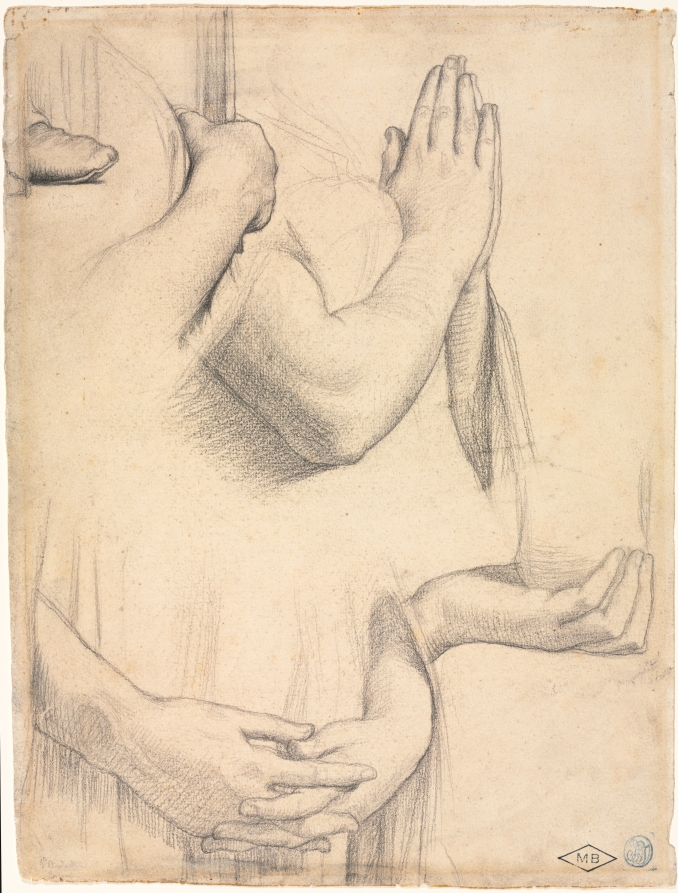
Study of Hands
Jean-Auguste-Dominique Ingres (d. 1867)
1842 · Drawing, graphite with traces of white heightening on ivory laid paper
Cleared · CC0
live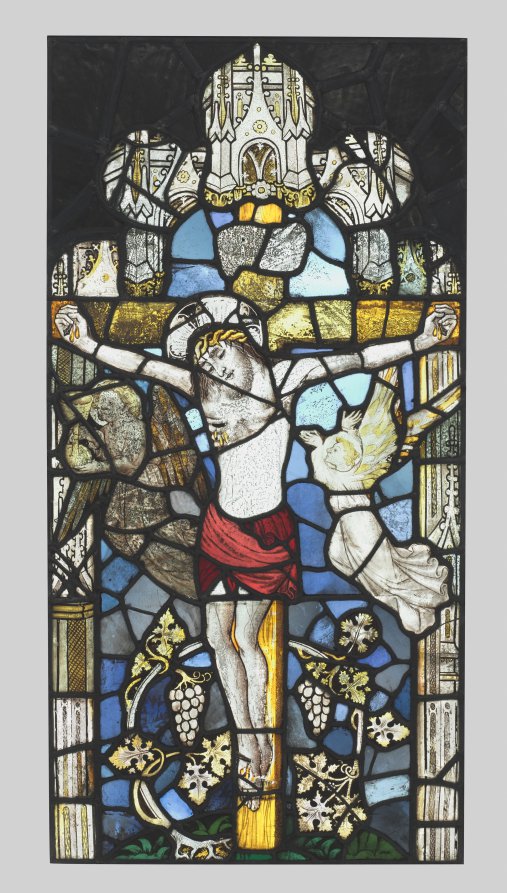
Crucified Christ
Unrecorded maker
c. 1480–1500 · Glass, pot metal, white glass with silver stain (with later composite glass)
Cleared · CC0
live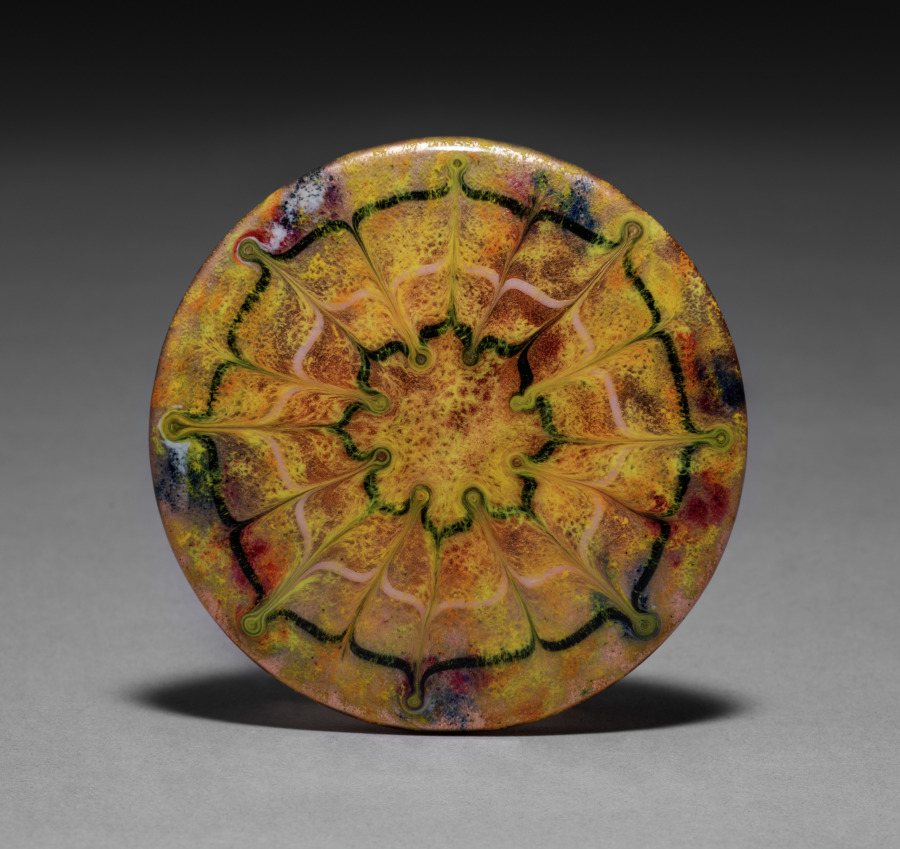
Cover for a Box
Tiffany Glass & Decorating Company (d. 1902)
c. 1898–1902 · Glass, Favrile glass, enamel on copper
Cleared · CC0
live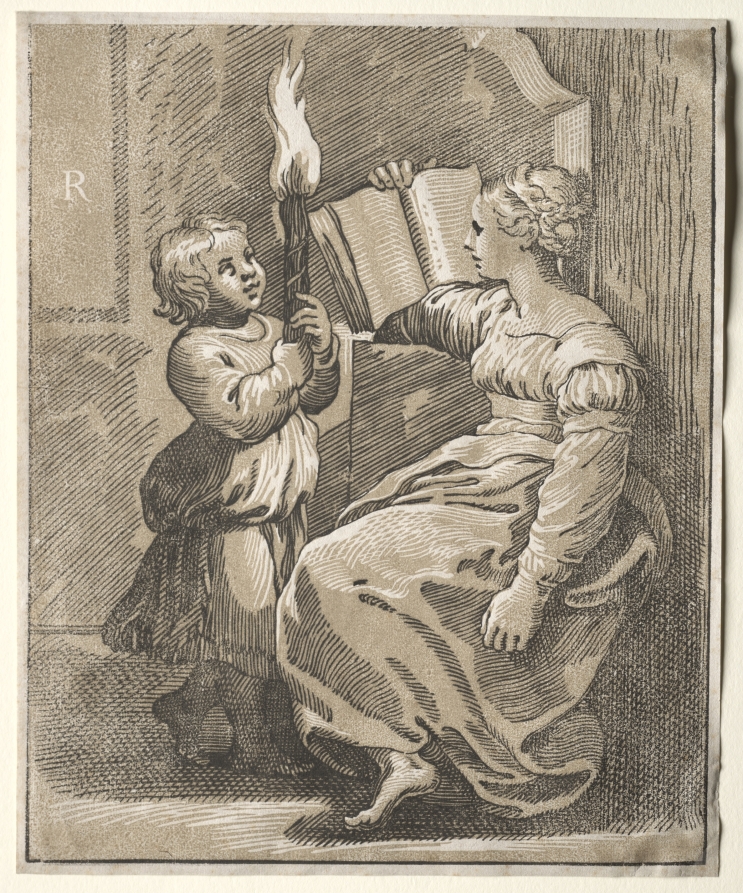
Sibyl Reading with a Child Holding a Torch
Ugo da Carpi (d. 1532)
1518–27 · Print, chiaroscuro woodcut
Cleared · CC0
live1. Pin the work
Choose the record and say what you are actually going to do with it. The product re-reads the work live and stores a snapshot, so your docket records what the institution said today.
2. Read the arithmetic
Six weighted factors: the institution's own claim, the creator's term, the publication-age rule, the restrictions in their statement, your use, and whether a credit line is even possible.
3. Seal and export
Record the decision into a SHA-384 chain, then export a dated docket as JSON, CSV or Markdown with the credit line and the seal a colleague can re-verify.