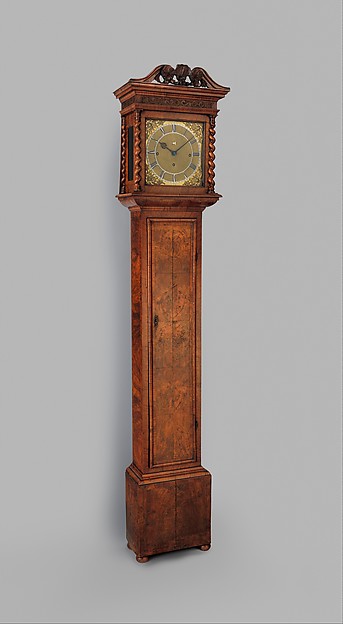
Longcase clock with calendar
Joseph Knibb (d. 1711)
ca. 1680–85 · Case: walnut and oak veneered with walnut; dial: gilded and silvered brass; movement: brass, steel
Cleared · Public Domain
liveThe MetSimilar
Rights clearance desk for images
Museums publish two different things about the same artwork: whether the work is in copyright, and whether their picture of it is. OpenPlate reads both, does the arithmetic on the published term, and shows you the sentence behind every point of the score.
Where this page got its records
240 ms. The Metropolitan Museum of Art, Collection API (Open Access)
366 ms. The Cleveland Museum of Art, Open Access API
2 of 2 providers answered live. 21 matching records exist across the two collections.
Institutions answered newest-first by record, interleaved
Longcase clock with calendar
Joseph Knibb (d. 1711)
ca. 1680–85 · Case: walnut and oak veneered with walnut; dial: gilded and silvered brass; movement: brass, steel
Cleared · Public Domain
live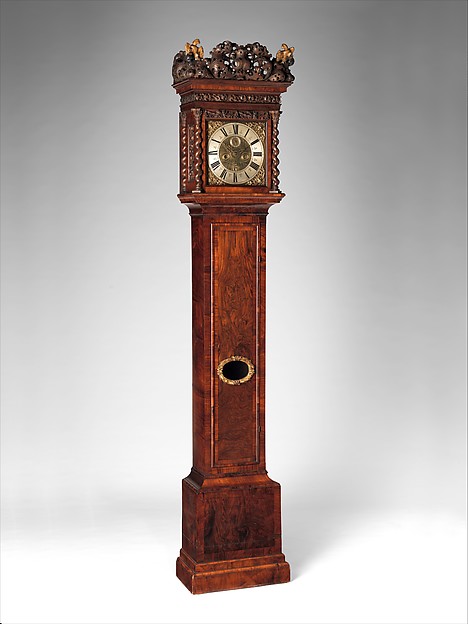
Longcase clock with calendar and alarm
Ahasuerus II Fromanteel (d. 1703)
ca. 1690–94 · Case: walnut and rosewood veneer on oak, and partly gilded limewood; Dial: gilded and silvered brass; Movement: brass and steel
Cleared · Public Domain
live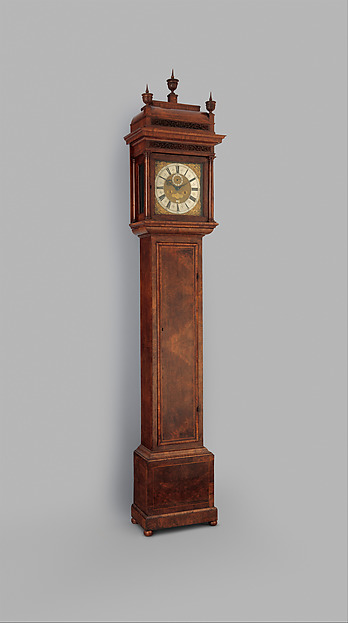
Longcase clock with calendar
Thomas Tompion (d. 1713)
ca. 1700 · Case: walnut; oak veneered with walnut; and string inlays of holly and stained holly; Dial: partly gilded and partly silvered brass; Movement: brass and steel
Cleared · Public Domain
live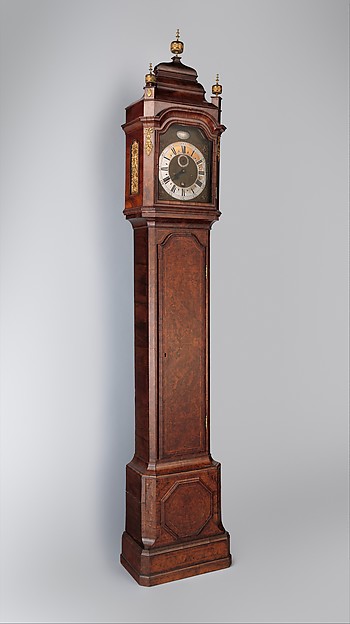
Longcase clock with calendar
Daniel Delander (d. 1733)
probably ca. 1720 · Case: oak veneered with burl walnut and walnut-herringbone inlay; Dial: gilded and silvered brass; Movement: gilded brass and steel
Cleared · Public Domain
live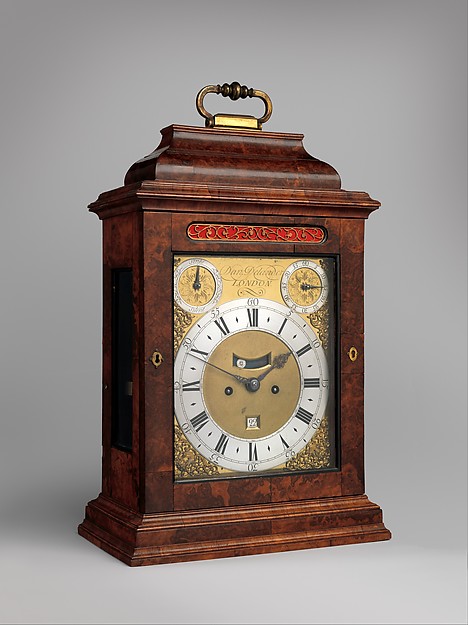
Table or bracket clock with calendar
Daniel Delander (d. 1733)
probably ca. 1720 · Case: walnut, oak veneered with walnut and burl walnut; stained wooden moldings; and brass fittings; Dial: gilded and silvered brass; Movement: brass and steel
Cleared · Public Domain
live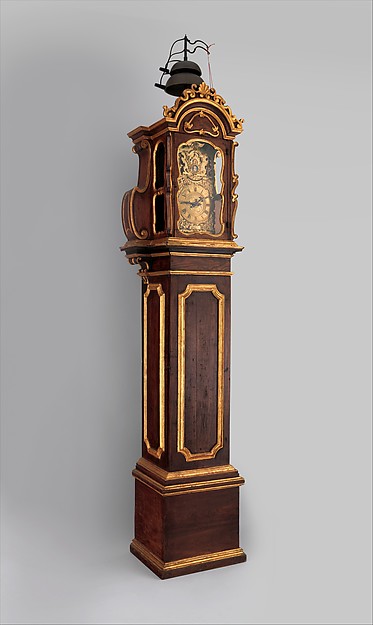
Longcase clock
Mario Gambelli (d. 1766)
1766 · Case: partly gilded walnut and pine with later additions of various woods; Dial: brass; Movement: brass and steel
Cleared · Public Domain
live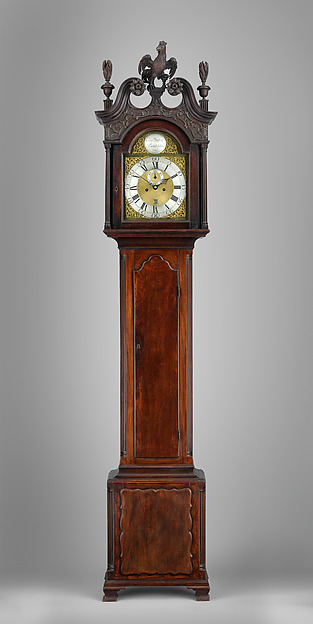
Tall-Case Clock
Edward Duffield (d. 1803)
1765–75 · Mahogany, yellow poplar, white pine; brass, iron, glass
Cleared · Public Domain
live
Mantel clock with musical movement
Jean-Baptiste-André Furet (d. 1807)
ca. 1784 · Case: gilded and lacquered bronze and marble; Movement (in bust): brass and steel with enameled hour and minute chapter rings (in head); Miniature organ with pipes and bellows (in base): brass, steel, and leather
Cleared · Public Domain
live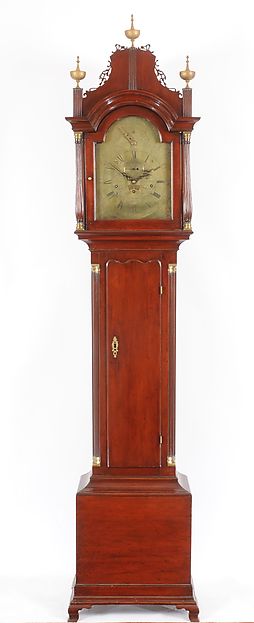
Eight-Day Tall Case Clock with Musical Movement
Daniel Burnap (d. 1838)
1790–95 · Cherry, pine, brass, glass
Cleared · Public Domain
live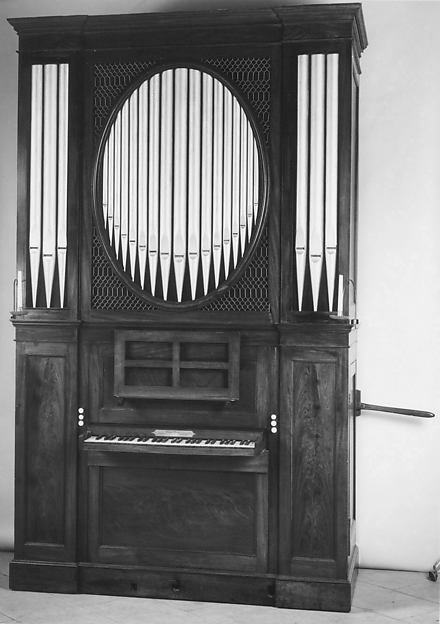
Chamber Organ
Samuel Green (d. 1796)
ca. 1790–96 · Mahogany, cloth, ivory, ebony, brass
Cleared · Public Domain
live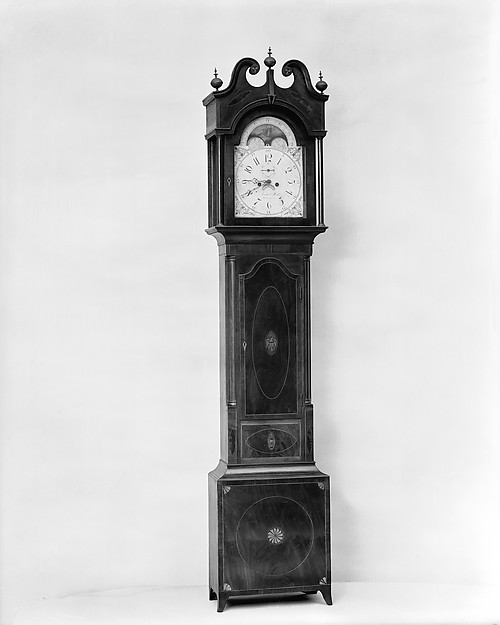
Tall Clock
Joakim Hill (d. 1869)
1805–15 · Mahogany, maple, cherry, tulip poplar, white pine
Cleared · Public Domain
live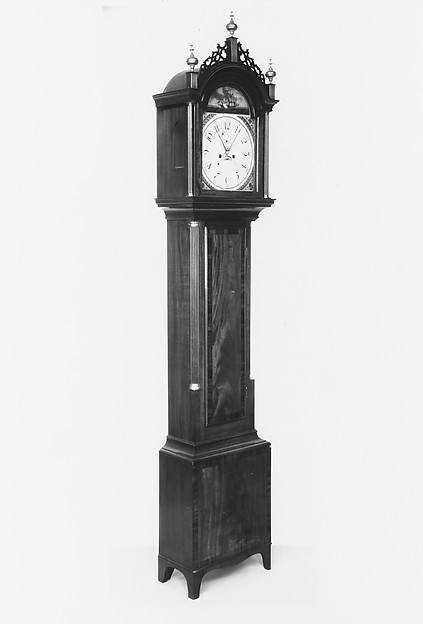
Tall Clock
John Doggett (d. 1857)
ca. 1825 · Mahogany, maple, white pine
Cleared · Public Domain
live1. Pin the work
Choose the record and say what you are actually going to do with it. The product re-reads the work live and stores a snapshot, so your docket records what the institution said today.
2. Read the arithmetic
Six weighted factors: the institution's own claim, the creator's term, the publication-age rule, the restrictions in their statement, your use, and whether a credit line is even possible.
3. Seal and export
Record the decision into a SHA-384 chain, then export a dated docket as JSON, CSV or Markdown with the credit line and the seal a colleague can re-verify.