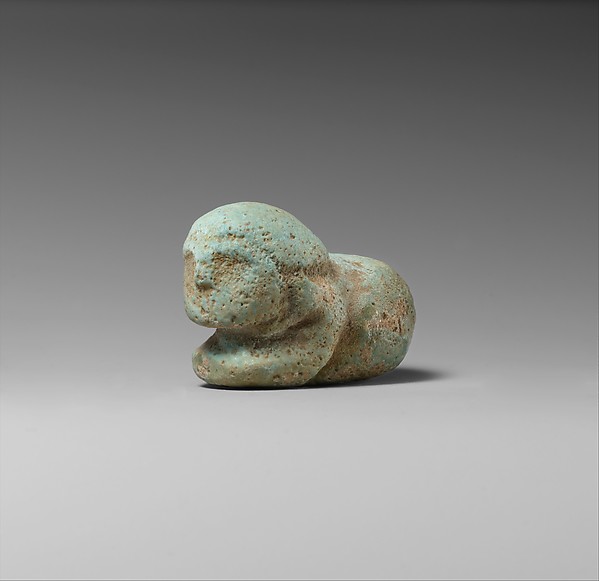
Figure of a Crouched Man
Unrecorded maker
ca. 3100–2650 B.C. · Faience
Cleared · Public Domain
liveThe MetSimilar
Rights clearance desk for images
Museums publish two different things about the same artwork: whether the work is in copyright, and whether their picture of it is. OpenPlate reads both, does the arithmetic on the published term, and shows you the sentence behind every point of the score.
Where this page got its records
585 ms. The Metropolitan Museum of Art, Collection API (Open Access)
404 ms. The Cleveland Museum of Art, Open Access API
2 of 2 providers answered live. 1,619 matching records exist across the two collections.
Institutions answered newest-first by record, interleaved
Figure of a Crouched Man
Unrecorded maker
ca. 3100–2650 B.C. · Faience
Cleared · Public Domain
live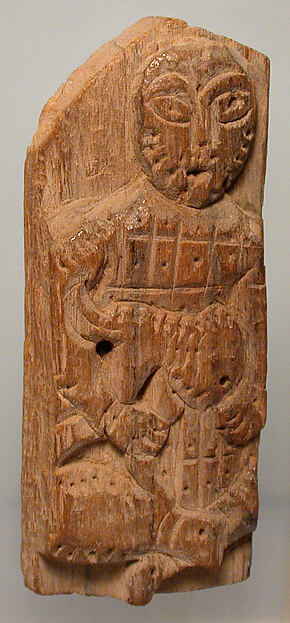
Plaque of a Man
Unrecorded maker
325–641 · Wood
Cleared · Public Domain
live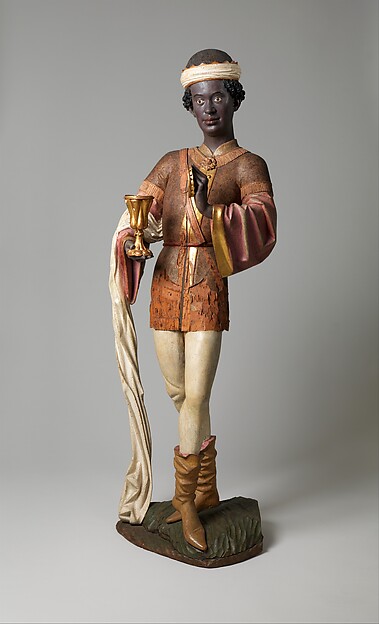
African King from an Adoration Group
Unrecorded maker
before 1489 · Maple with paint and gilding
Cleared · Public Domain
live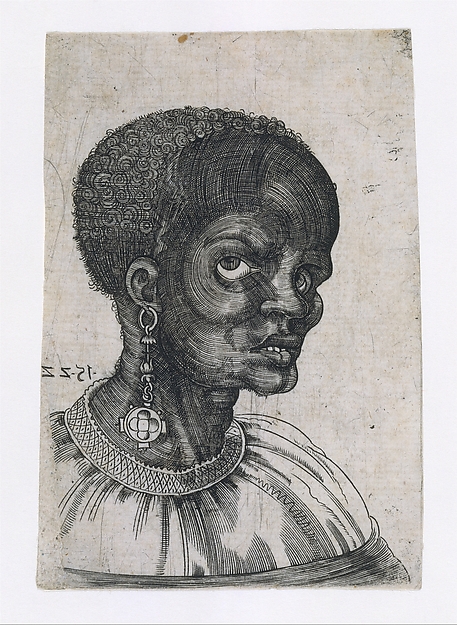
Head of a Man in Three-Quarter Profile
Frans Crabbe van Espleghem (d. 1553)
1522 · Engraving
Cleared · Public Domain
live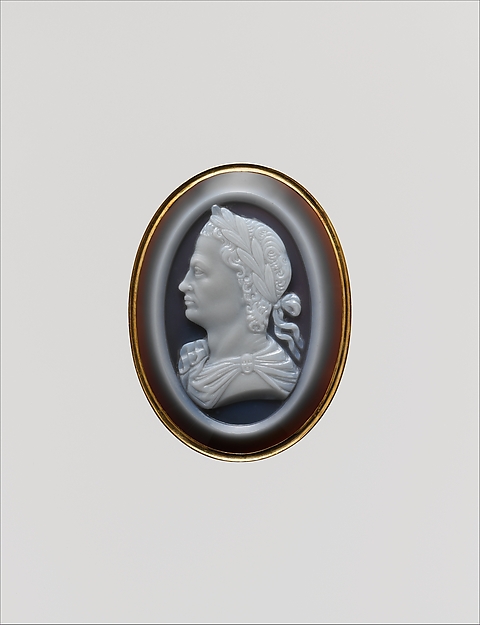
Bust of a Roman Emperor / Bust of a man of African descent
Unrecorded maker
mid-16th century · Sardonyx and gold
Cleared · Public Domain
live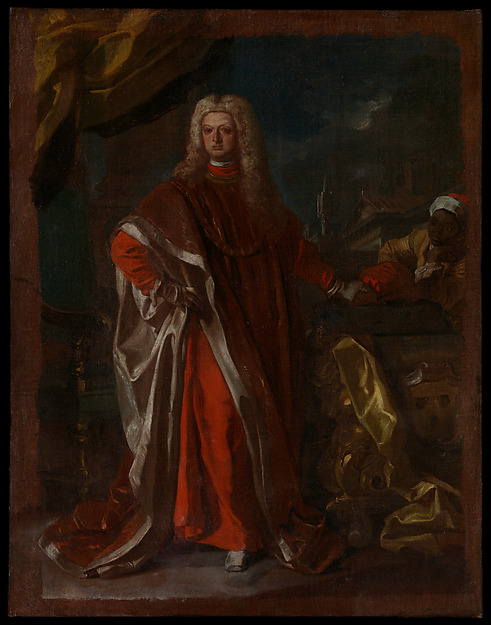
Diego Pignatelli d'Aragona (1687–1750) and an Enslaved Servant
Francesco Solimena (d. 1747)
probably 1731 or 1732 · Oil on canvas
Cleared · Public Domain
live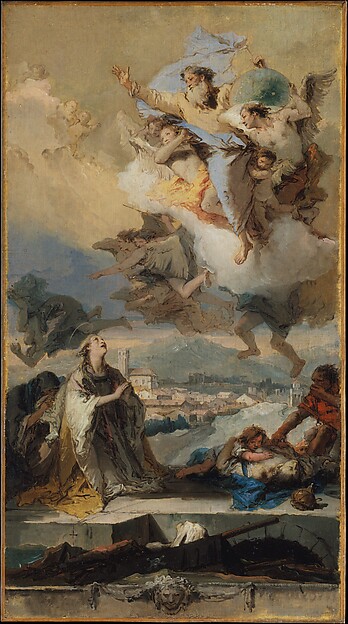
Saint Thecla Praying for the Plague-Stricken
Giovanni Battista Tiepolo (d. 1770)
1758–59 · Oil on canvas
Cleared · Public Domain
live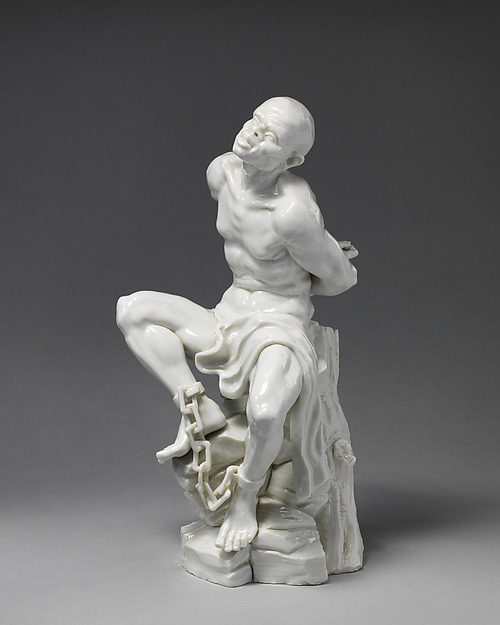
Figure of an Enslaved African Man
Giuseppe Piamontini (d. 1742)
late 18th century · Hard-paste porcelain
Cleared · Public Domain
live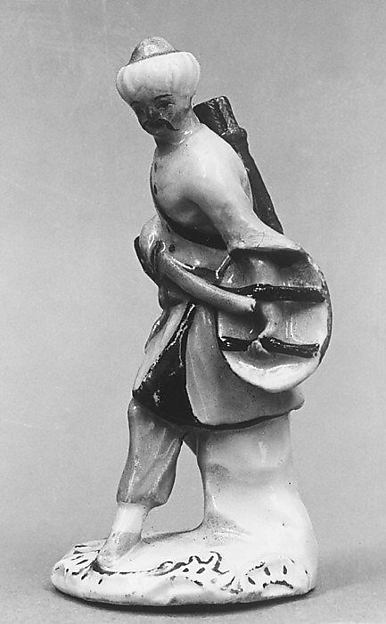
Figure of an Asian man
Meissen Manufactory (d. 9999)
late 18th century · Hard-paste porcelain
Cleared · Public Domain
live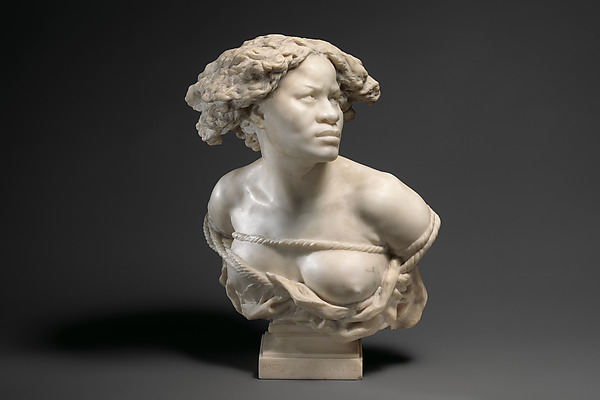
Why Born Enslaved!
Jean-Baptiste Carpeaux (d. 1875)
modeled 1868, carved 1873 · Marble
Cleared · Public Domain
liveNo open reproduction
The institution withholds the image for this record, which is itself the answer: the picture on their page is not theirs to give away.
Indica Femina Africana, Indus Africanus, Indus Orientalis
Jean Jacques Boissard (d. 1602)
1581 · Engraving
In copyright
liveNo open reproduction
The institution withholds the image for this record, which is itself the answer: the picture on their page is not theirs to give away.
Skeletal Bird Man
Sylvester Mubayi (d. 2022)
1970 · Brown river stone
In copyright
live1. Pin the work
Choose the record and say what you are actually going to do with it. The product re-reads the work live and stores a snapshot, so your docket records what the institution said today.
2. Read the arithmetic
Six weighted factors: the institution's own claim, the creator's term, the publication-age rule, the restrictions in their statement, your use, and whether a credit line is even possible.
3. Seal and export
Record the decision into a SHA-384 chain, then export a dated docket as JSON, CSV or Markdown with the credit line and the seal a colleague can re-verify.