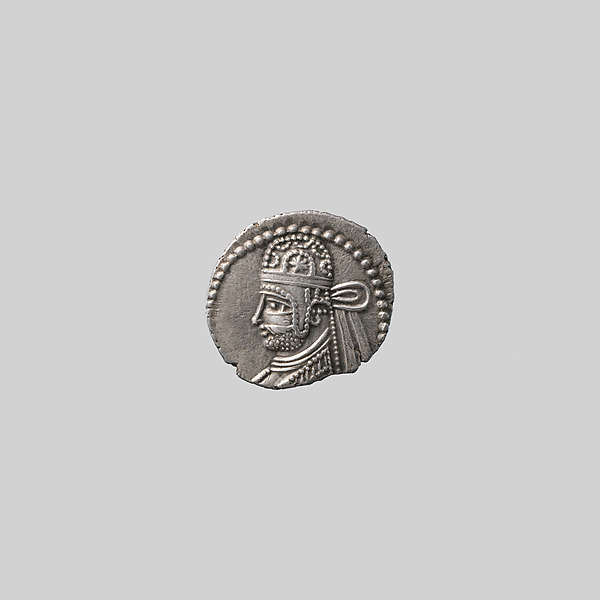
Drachm
Unrecorded maker
ca. 78–110 CE · Silver
Cleared · Public Domain
liveThe MetSimilar
Rights clearance desk for images
Museums publish two different things about the same artwork: whether the work is in copyright, and whether their picture of it is. OpenPlate reads both, does the arithmetic on the published term, and shows you the sentence behind every point of the score.
Where this page got its records
232 ms. The Metropolitan Museum of Art, Collection API (Open Access)
258 ms. The Cleveland Museum of Art, Open Access API
2 of 2 providers answered live. 22 matching records exist across the two collections.
Institutions answered newest-first by record, interleaved
Drachm
Unrecorded maker
ca. 78–110 CE · Silver
Cleared · Public Domain
live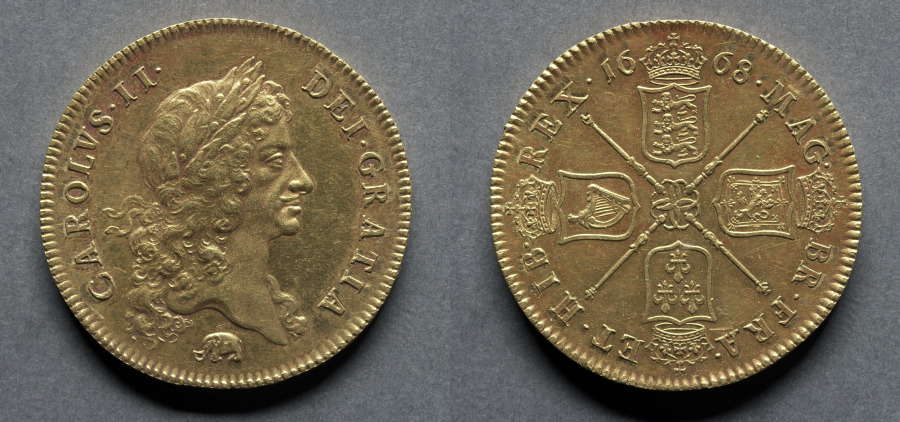
Five Guineas: Charles II (obverse); Four Shields (reverse)
John Roettier (d. 1703)
1668 · Coins, gold
Cleared · CC0
live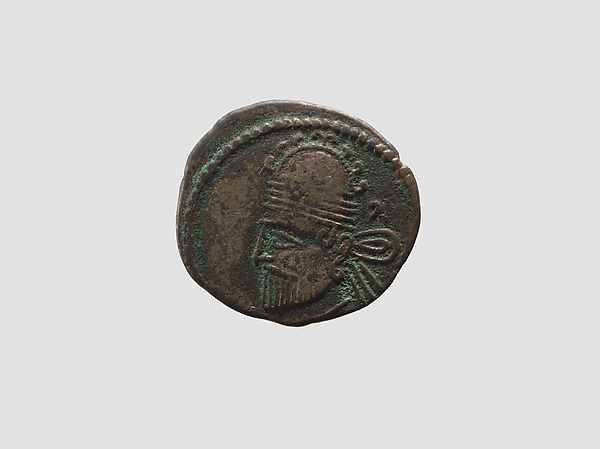
Drachm
Unrecorded maker
ca. 78–110 CE · Silver
Cleared · Public Domain
live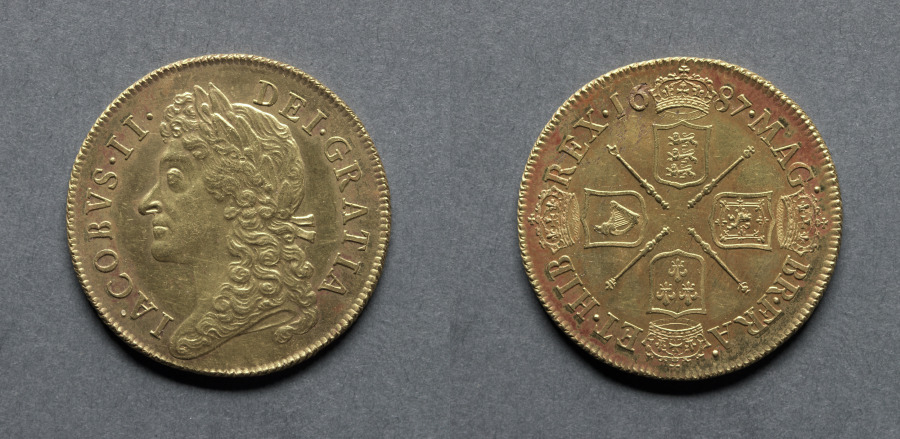
Two Guineas: James II (obverse); Four Shields of Arms (reverse)
John Roettier (d. 1703)
1687 · Coins, gold
Cleared · CC0
live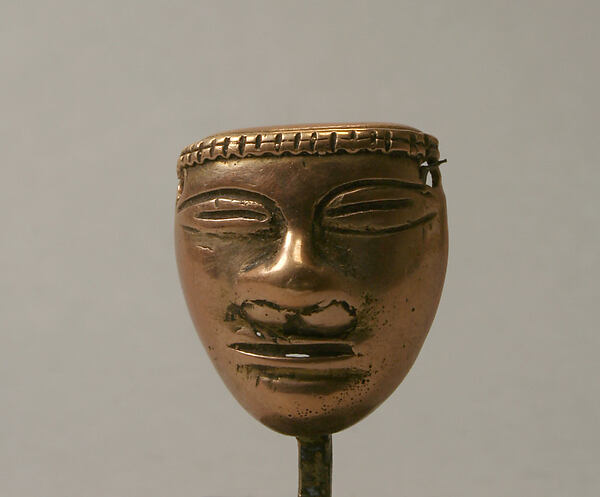
Anthropomorphic Bead
Unrecorded maker
300 BCE–700 CE · Gold (cast)
Cleared · Public Domain
live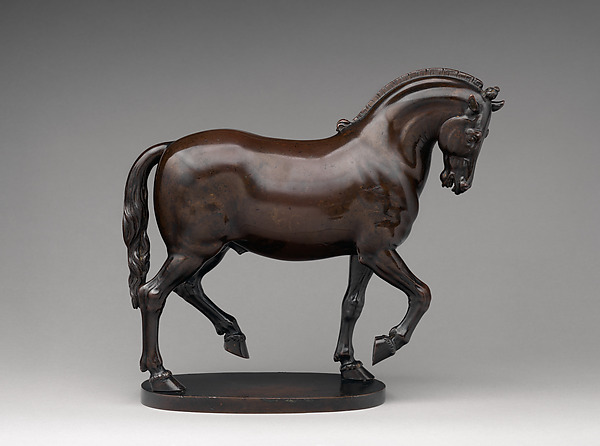
Trotting horse
Giambologna (d. 1608)
probably 1587–91 · Bronze
Cleared · Public Domain
live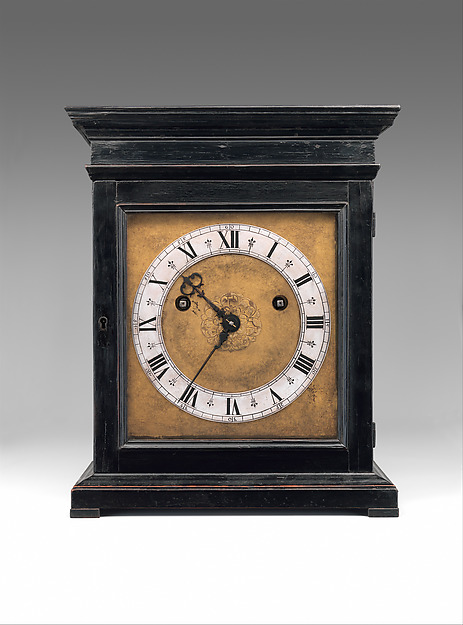
Table or bracket clock
Edward East (d. 1697)
ca. 1665 · Case: ebonized fruitwood and rosewood with ebony moldings; Dial: gilded brass and silver; Movement: brass and steel
Cleared · Public Domain
live
Clock with pedestal
André Charles Boulle (d. 1732)
ca. 1690 · Case and pedestal of oak with marquetry of tortoiseshell, engraved brass, and pewter; gilt bronze; dial of gilt brass with white enameled Arabic numerals; movement of brass and steel
Cleared · Public Domain
live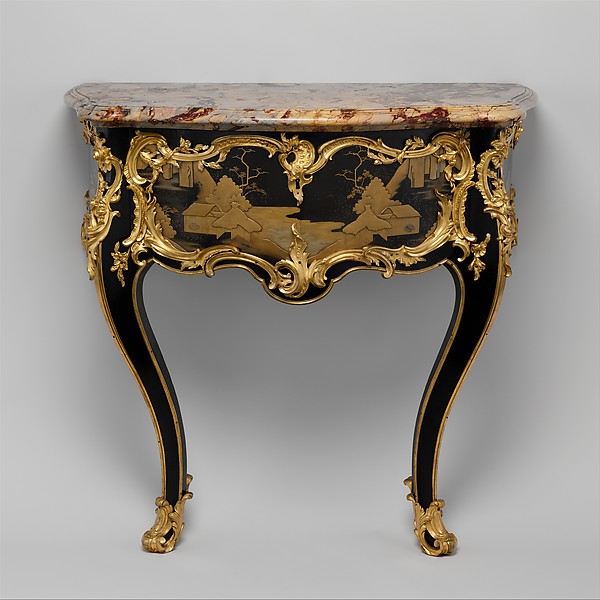
Side table (commode en console)
Bernard II van Risenburgh (d. 1767)
ca. 1755–60 · Oak and pine lacquered black and veneered with Japanese black and gold lacquer; gilt-bronze mounts; Sarrancolin marble top
Cleared · Public Domain
live
Longcase clock
Hermann Achenbach (d. 1825)
ca. 1774–75 · Case: oak veneered with maple, burl woods, holly, and hornbeam (all partly stained), and other woods; mother-of-pearl; gilded bronze; and brass; Dial: partly gilded and partly silvered brass and enameled and painted copper; Movement: brass and steel
Cleared · Public Domain
live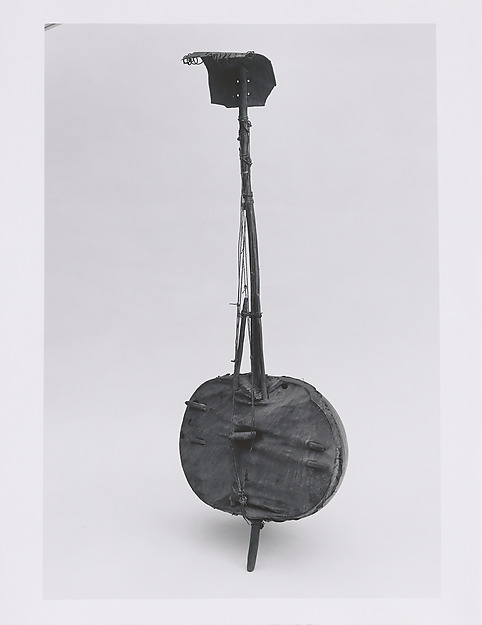
Donsó Ngoni
Unrecorded maker
19th century · Wood, skin, metal
Cleared · Public Domain
live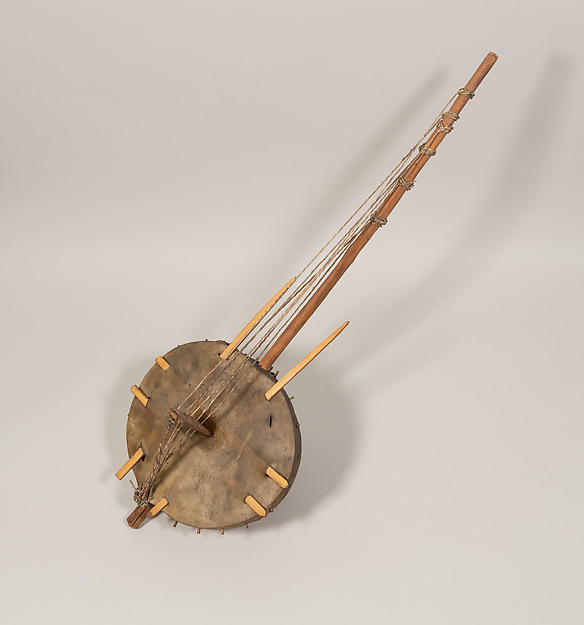
Sora Ngoni (Simbingo)
Unrecorded maker
19th century · Gourd, skin, wood, leather
Cleared · Public Domain
live1. Pin the work
Choose the record and say what you are actually going to do with it. The product re-reads the work live and stores a snapshot, so your docket records what the institution said today.
2. Read the arithmetic
Six weighted factors: the institution's own claim, the creator's term, the publication-age rule, the restrictions in their statement, your use, and whether a credit line is even possible.
3. Seal and export
Record the decision into a SHA-384 chain, then export a dated docket as JSON, CSV or Markdown with the credit line and the seal a colleague can re-verify.