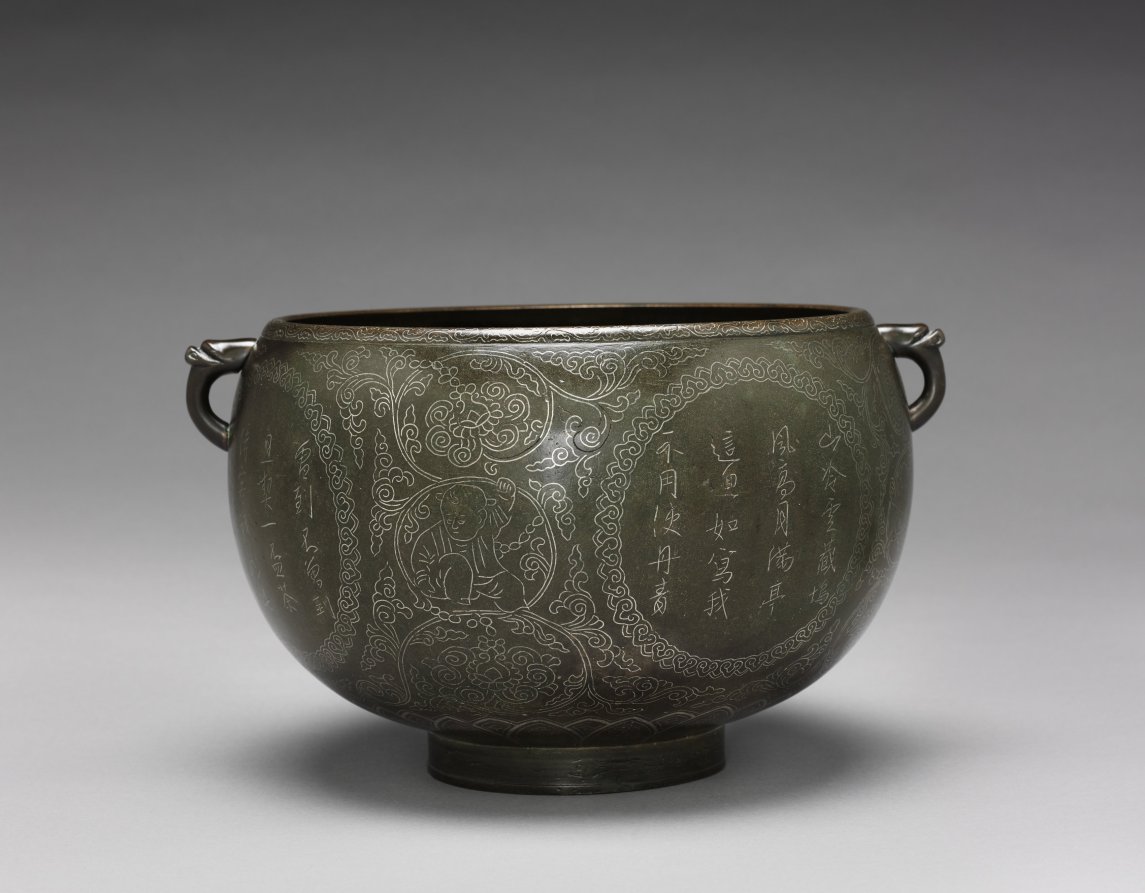
Basin with Inscribed Figures and Calligraphy
Unrecorded maker
1100s–1200s · Metalwork, bronze
Cleared · CC0
liveCleveland Museum of ArtSimilar
Rights clearance desk for images
Museums publish two different things about the same artwork: whether the work is in copyright, and whether their picture of it is. OpenPlate reads both, does the arithmetic on the published term, and shows you the sentence behind every point of the score.
Where this page got its records
The Metropolitan Museum of Art did not answer: met answered HTTP 403
375 ms. The Cleveland Museum of Art, Open Access API
1 of 2 providers answered live. 32 matching records exist across the two collections.
Institutions answered newest-first by record, interleaved
Basin with Inscribed Figures and Calligraphy
Unrecorded maker
1100s–1200s · Metalwork, bronze
Cleared · CC0
live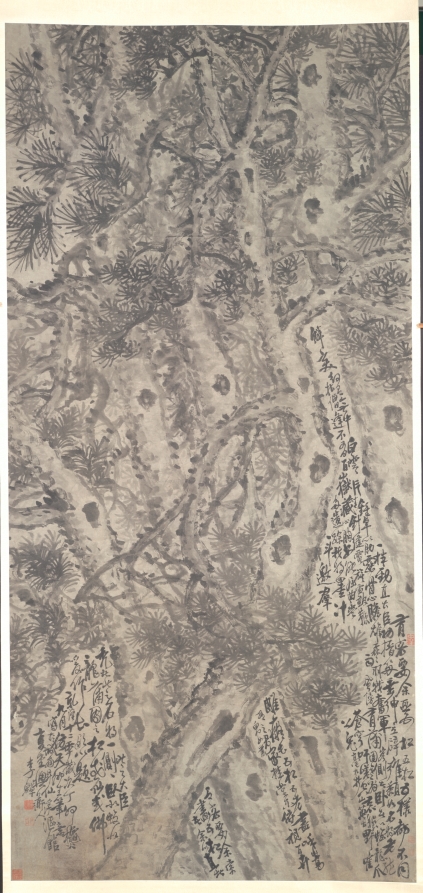
Five Pine Trees
Li Shan (d. 1762)
1747 · Painting, Hanging scroll; ink on paper
Cleared · CC0
live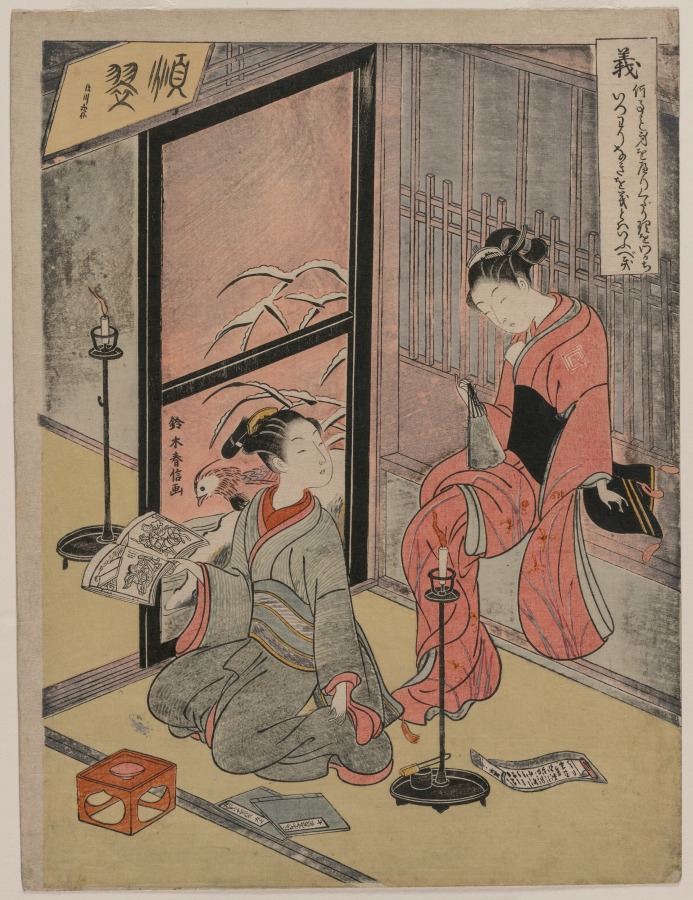
Righteousness, from The Five Virtues
Suzuki Harunobu (d. 1770)
1767 · Print, color woodblock print
Cleared · CC0
live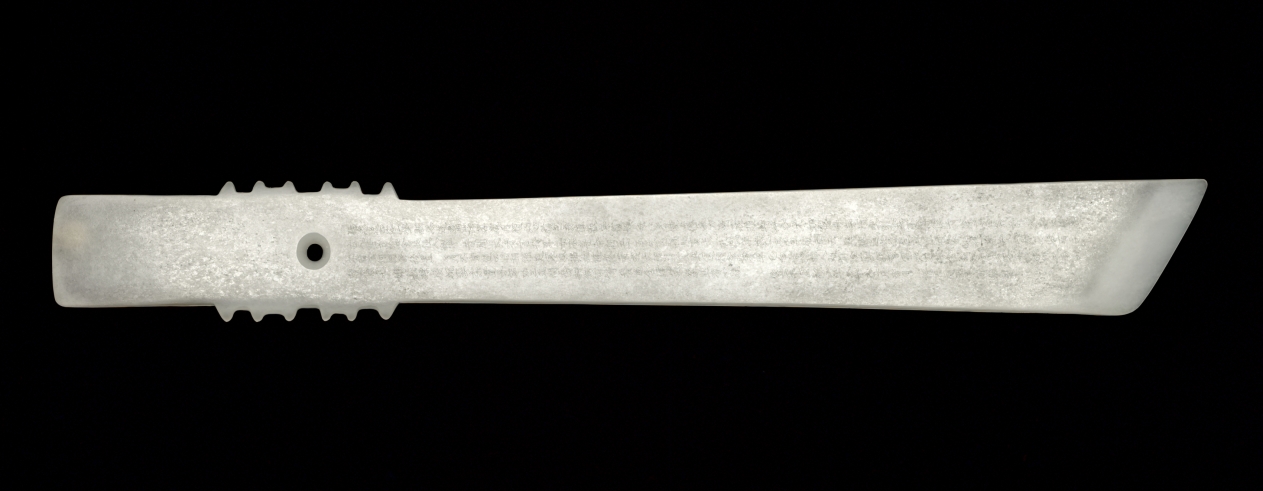
Scepter (Gui) with Miscellaneous Poems by Tao Qian (365–427 CE)
Unrecorded maker
1122 or later · Jade, translucent white jade
Cleared · CC0
live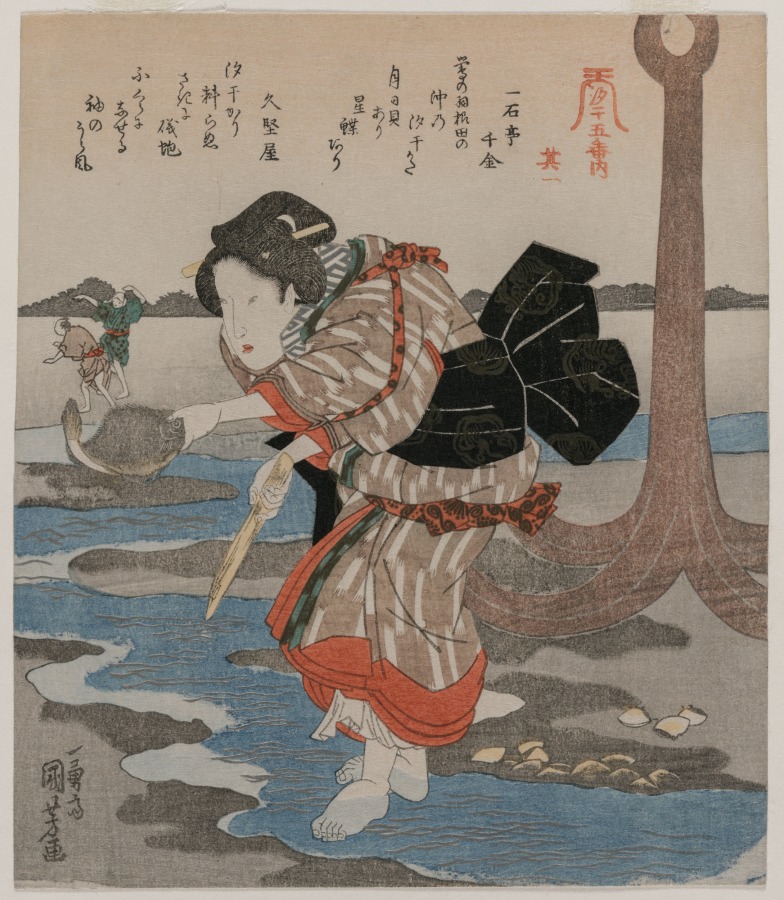
A Low Tide Pentaptych
Utagawa Kuniyoshi (d. 1861)
c. 1830 · Print, Pentaptych of color woodblock prints
Cleared · CC0
live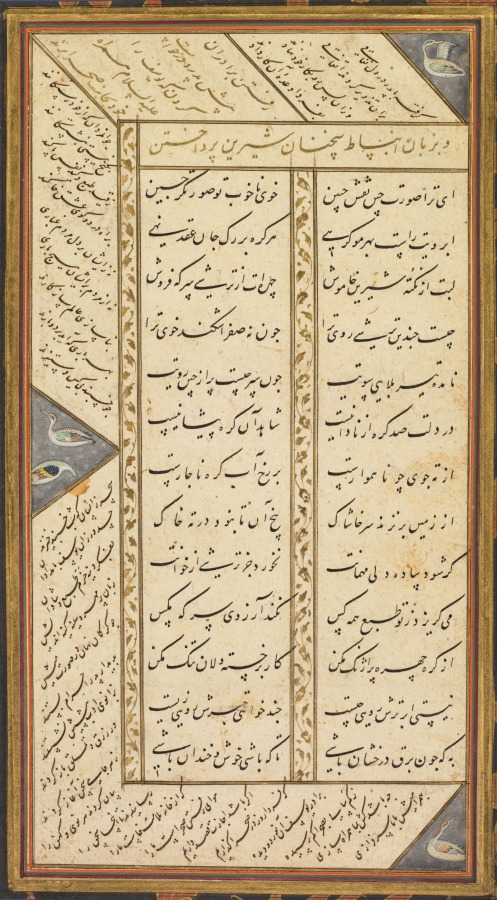
Page from the Panj Ganj (Five Treasures) of Abd al-Rahman Jami (Persian, 1414–1492), with two Persian masnavis (narrative poems): Yusuf va Zulaykha (Joseph and Zulaykha) and Subhat al-abrar (Rosary of the Righteous)
Mushfiq
Text c. 1500–1520; painting, borders, and illuminations added 1603–7 Text copied by Sultan-Ali Mashhadi (Persian, active early 1500s) for Badi al-Zaman Mirza, ruler of Herat Painted insets and borders by Mushfiq (Indian, active 1580s–early 1600s) Text copied in Herat Painting, borders, and illuminations made in the Deccan for Mughal minister Abd al-Rahim the Khan Khanan · Painting, Gum tempera, ink, and gold on paper
Cleared · CC0
live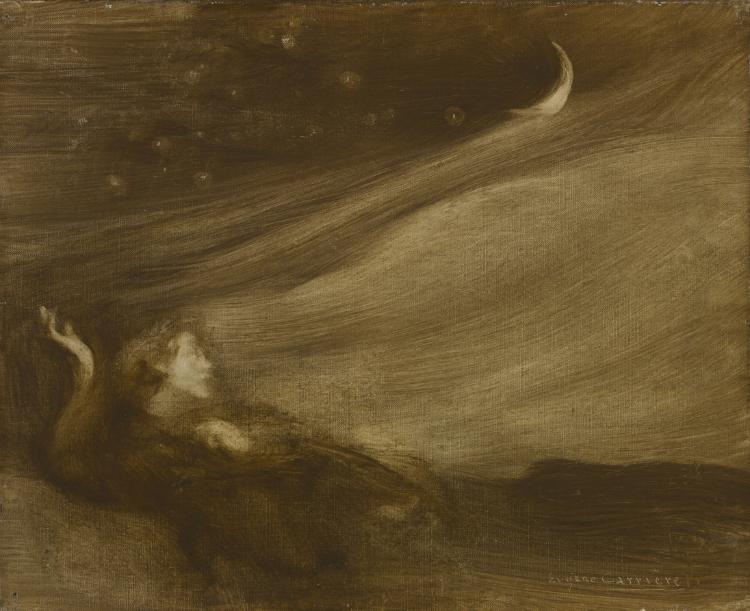
The Contemplator
Eugène Carrière (d. 1906)
1901 · Painting, oil on fabric
Cleared · CC0
live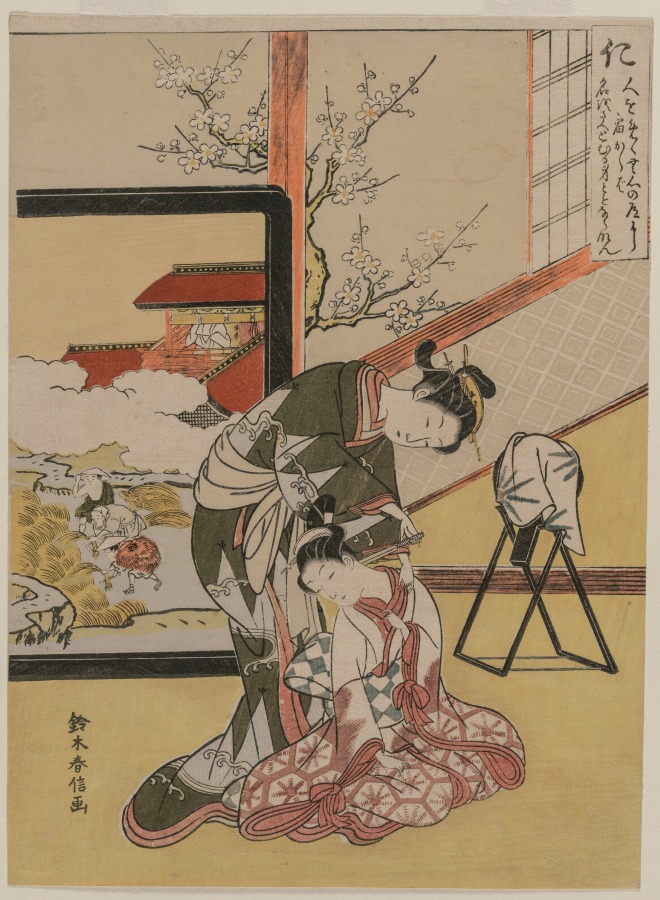
Benevolence, from The Five Virtues
Suzuki Harunobu (d. 1770)
1767 · Print, color woodblock print
Cleared · CC0
live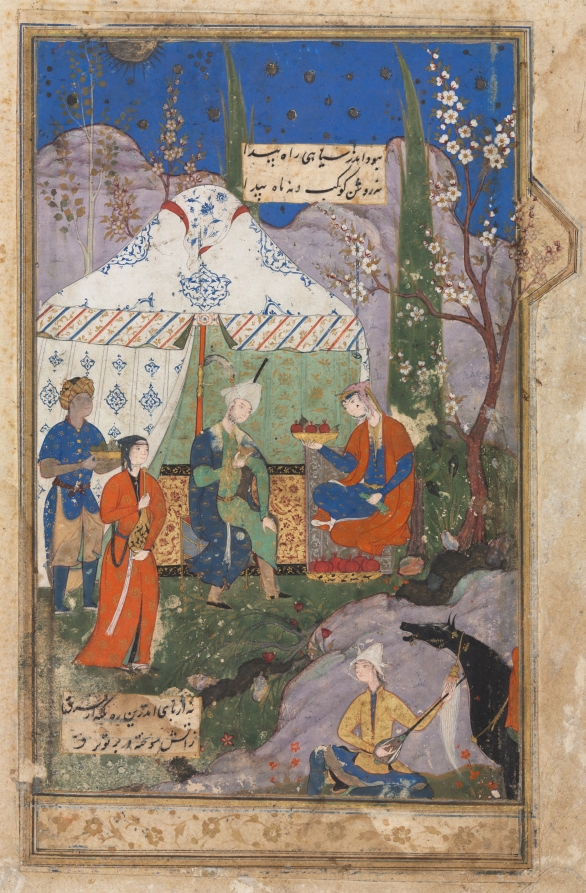
An Episode from the Story of the Sasanian King Khusrau and His Beloved Shirin, from a Khamsa (Quintet) of Nizami (1141–1209) (verso)
Unrecorded maker
1540–70 · Manuscript, opaque watercolor, ink, gold, and silver on paper
Cleared · CC0
live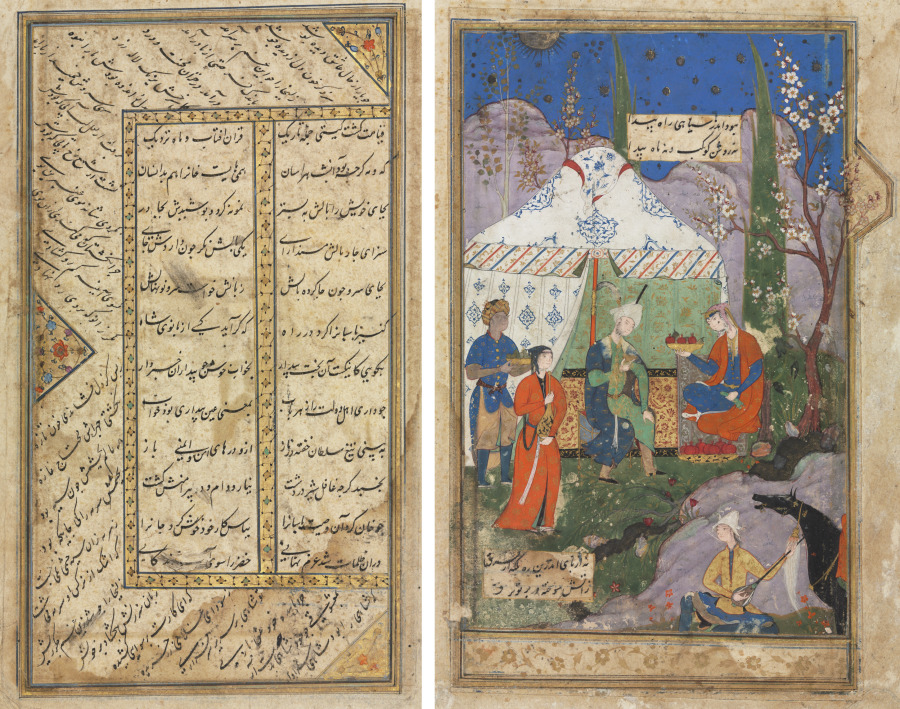
An Episode from the Story of the Sasanian King Khusrau and His Beloved Shirin, from a Khamsa (Quintet) of Nizami (1141–1209) (verso); Persian verses from a Haft Awrang (Seven Thrones) of Jami (d. 1492) (recto)
Unrecorded maker
1540–70 · Manuscript, opaque watercolor, gold, silver, and ink on paper; double-sided
Cleared · CC0
live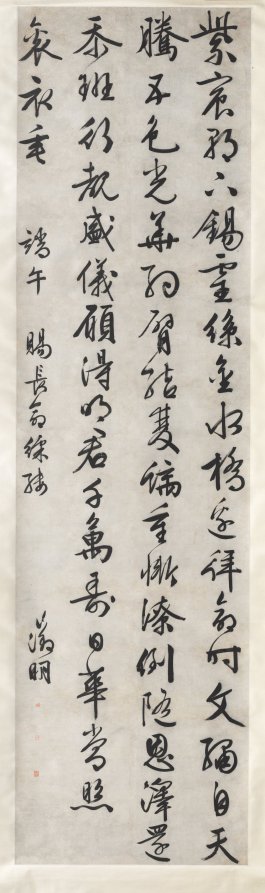
Poem on Imperial Gift of an Embroidered Silk: Calligraphy in Running-Standard Script (xingkaishu)
Wen Zhengming (d. 1559)
c. 1525 · Calligraphy, Hanging scroll; ink on paper
Cleared · CC0
live1. Pin the work
Choose the record and say what you are actually going to do with it. The product re-reads the work live and stores a snapshot, so your docket records what the institution said today.
2. Read the arithmetic
Six weighted factors: the institution's own claim, the creator's term, the publication-age rule, the restrictions in their statement, your use, and whether a credit line is even possible.
3. Seal and export
Record the decision into a SHA-384 chain, then export a dated docket as JSON, CSV or Markdown with the credit line and the seal a colleague can re-verify.