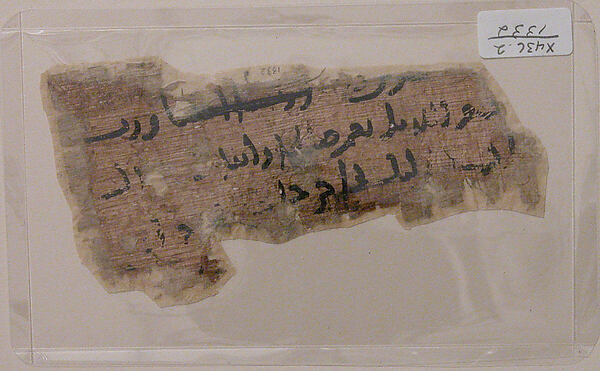
Papyrus Fragment
Unrecorded maker
8th–10th century · Ink on papyrus
Cleared · Public Domain
liveThe MetSimilar
Rights clearance desk for images
Museums publish two different things about the same artwork: whether the work is in copyright, and whether their picture of it is. OpenPlate reads both, does the arithmetic on the published term, and shows you the sentence behind every point of the score.
Where this page got its records
413 ms. The Metropolitan Museum of Art, Collection API (Open Access)
15 ms. The Cleveland Museum of Art, Open Access API
2 of 2 providers answered live. 915 matching records exist across the two collections.
Institutions answered newest-first by record, interleaved
Papyrus Fragment
Unrecorded maker
8th–10th century · Ink on papyrus
Cleared · Public Domain
live
Four Poems: Calligraphy in Cursive Script (xingshu)
Chen Jiru (d. 1639)
1500s-1600s · Calligraphy, handscroll; ink on gold speckled paper
Cleared · CC0
live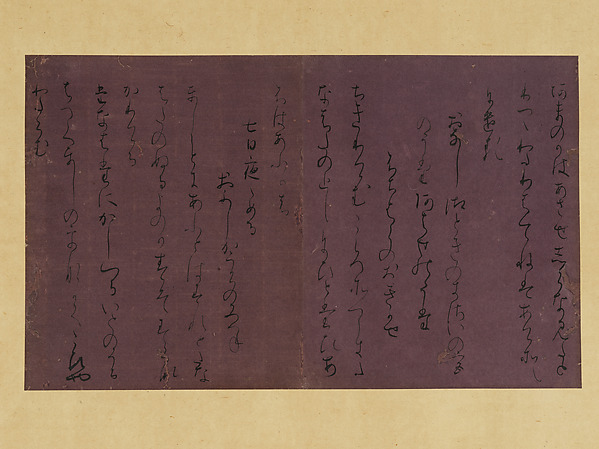
Four Poems from the Sekido Version of the Collection of Poems Ancient and Modern (Sekido-bon Kokin wakashū)
Fujiwara no Yukinari 藤原行成 (d. 1027)
mid- to late 11th century · Two pages from a booklet mounted as hanging scroll; ink on dyed paper
Cleared · Public Domain
live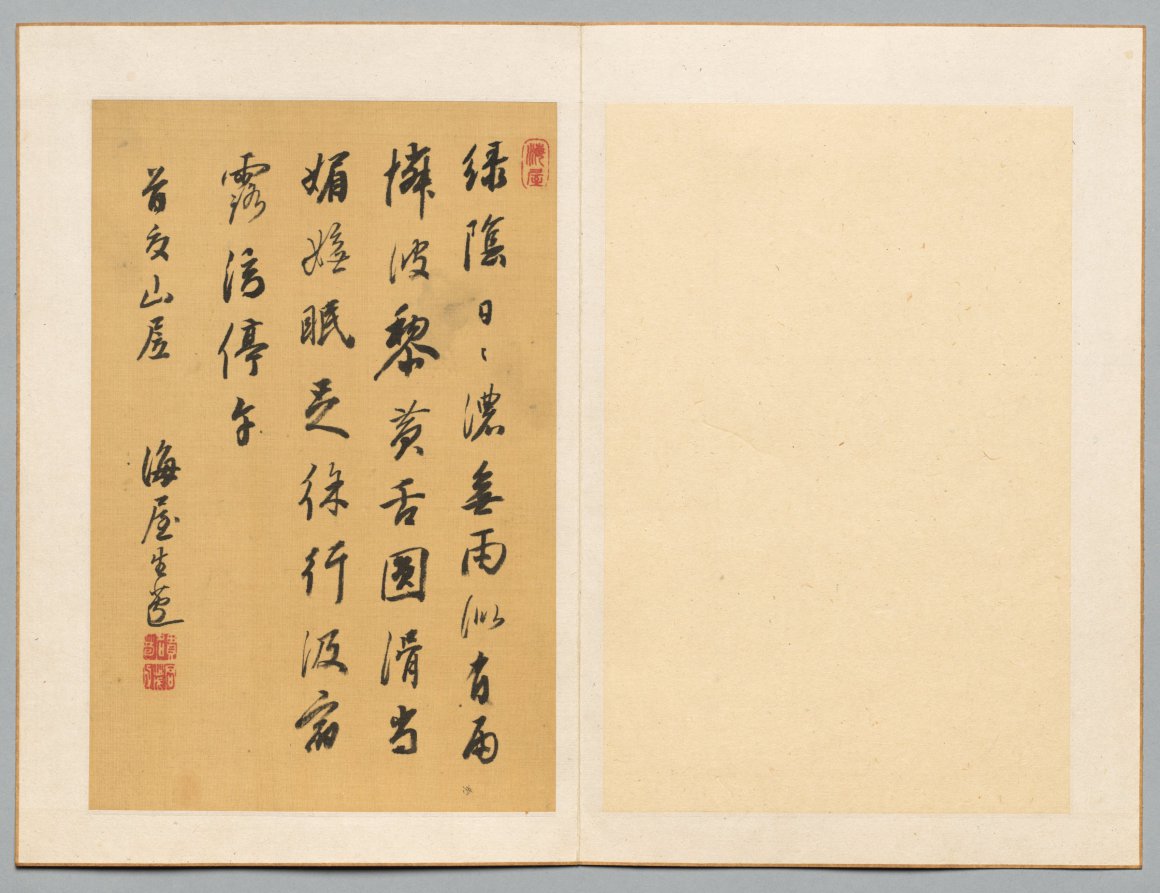
Poem
Nukina Kaioku (d. 1863)
early to mid-1800s · Portfolio, leaf from a pair of folding albums; ink on silk
Cleared · CC0
live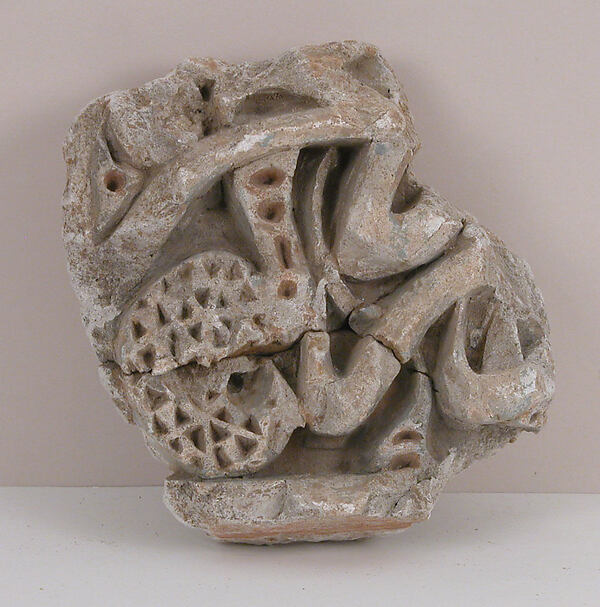
Fragment of a Frieze with Cursive Script
Unrecorded maker
11th century · Plaster; carved and painted
Cleared · Public Domain
live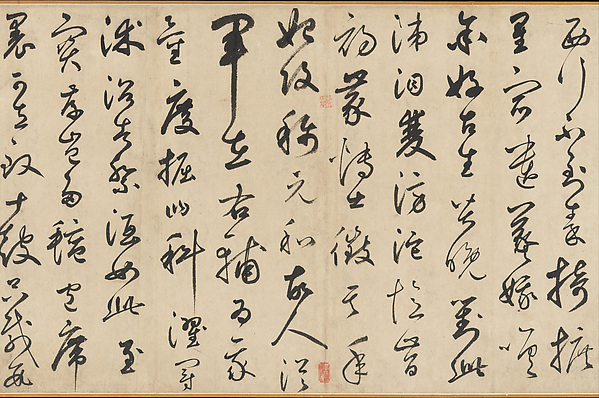
Song of the Stone Drums
Xianyu Shu (d. 1302)
dated 1301 · Handscroll; ink on paper
Cleared · Public Domain
live
Four anecdotes from the life of Wang Xizhi
Zhao Mengfu (d. 1322)
1310s · Handscroll; ink on paper
Cleared · Public Domain
live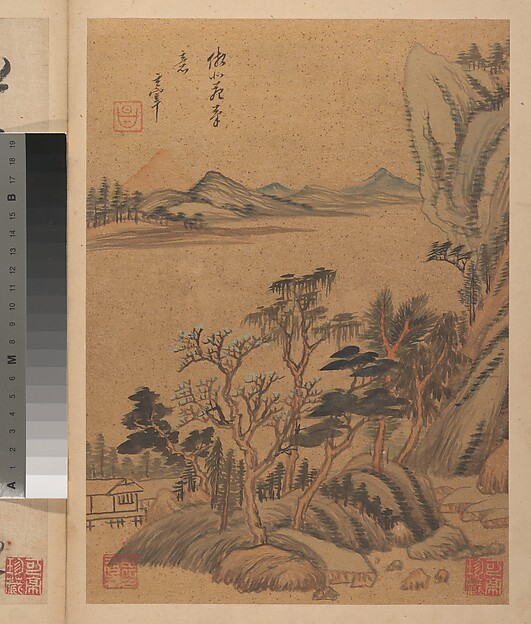
Landscapes and poems
Dong Qichang (d. 1636)
early 17th century · Album of eight double leaves; ink, gold, and color on gold-flecked paper and ink on satin
Cleared · Public Domain
live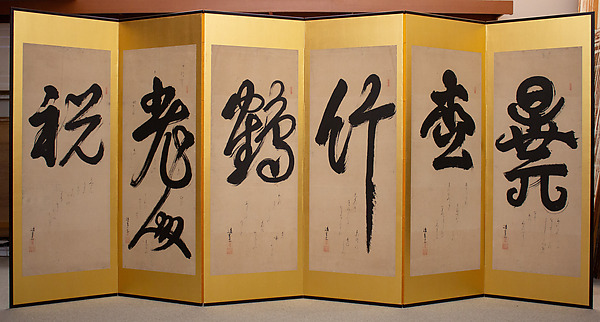
Chinese Characters in Various Scripts and Waka Poems
Horie Yorinao (Tōgen) 堀江透玄 (d. 1693)
mid-17th century · Six-panel folding screen; ink on paper
Cleared · Public Domain
live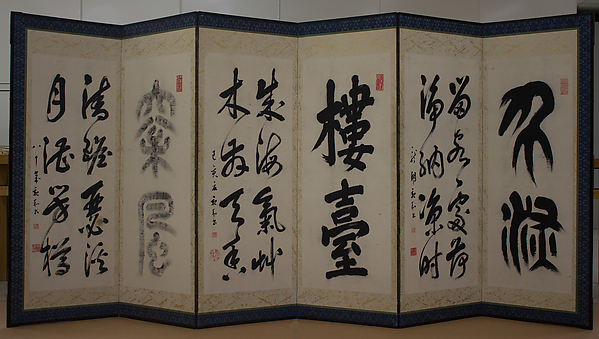
Chinese Poems and Calligraphy
Mitsui Shinna 三井親和 (d. 1782)
1779 · Six-panel folding screen; ink on paper
Cleared · Public Domain
live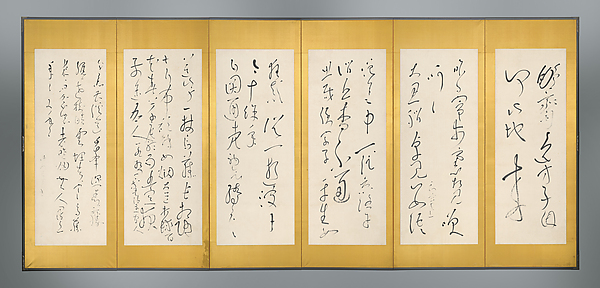
Screens with Chinese Poems
Ryōkan Taigu (d. 1831)
early 19th century · Pair of six-panel screens: ink on paper
Cleared · Public Domain
liveNo open reproduction
The institution withholds the image for this record, which is itself the answer: the picture on their page is not theirs to give away.
Four Poems in Cursive Script
Yu Youren (d. 1964)
dateable to 1958 · Hanging scroll; ink on paper
In copyright
live1. Pin the work
Choose the record and say what you are actually going to do with it. The product re-reads the work live and stores a snapshot, so your docket records what the institution said today.
2. Read the arithmetic
Six weighted factors: the institution's own claim, the creator's term, the publication-age rule, the restrictions in their statement, your use, and whether a credit line is even possible.
3. Seal and export
Record the decision into a SHA-384 chain, then export a dated docket as JSON, CSV or Markdown with the credit line and the seal a colleague can re-verify.