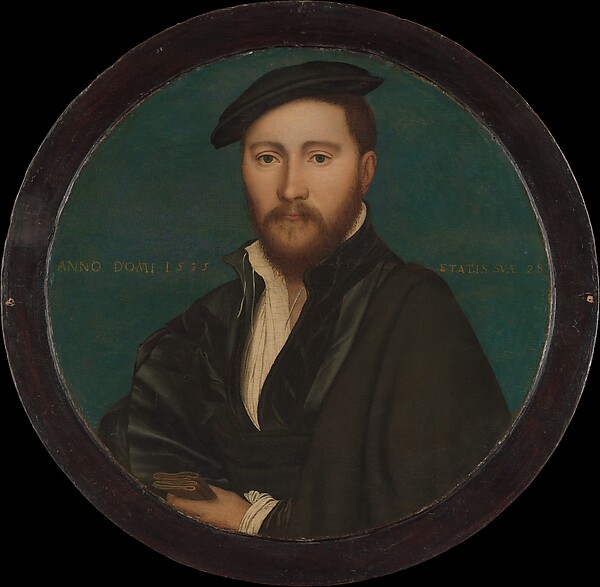
Portrait of a Man (Sir Ralph Sadler?)
Hans Holbein the Younger (d. 1543)
1535 · Oil and gold on oak
Cleared · Public Domain
liveThe MetSimilar
Rights clearance desk for images
Museums publish two different things about the same artwork: whether the work is in copyright, and whether their picture of it is. OpenPlate reads both, does the arithmetic on the published term, and shows you the sentence behind every point of the score.
Where this page got its records
780 ms. The Metropolitan Museum of Art, Collection API (Open Access)
669 ms. The Cleveland Museum of Art, Open Access API
2 of 2 providers answered live. 24 matching records exist across the two collections.
Institutions answered newest-first by record, interleaved
Portrait of a Man (Sir Ralph Sadler?)
Hans Holbein the Younger (d. 1543)
1535 · Oil and gold on oak
Cleared · Public Domain
live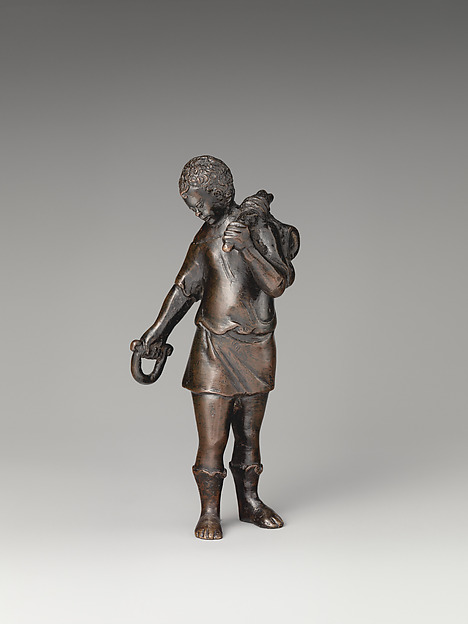
Tobias
Severo Calzetta da Ravenna (d. 1543)
early to mid-16th century · Bronze
Cleared · Public Domain
live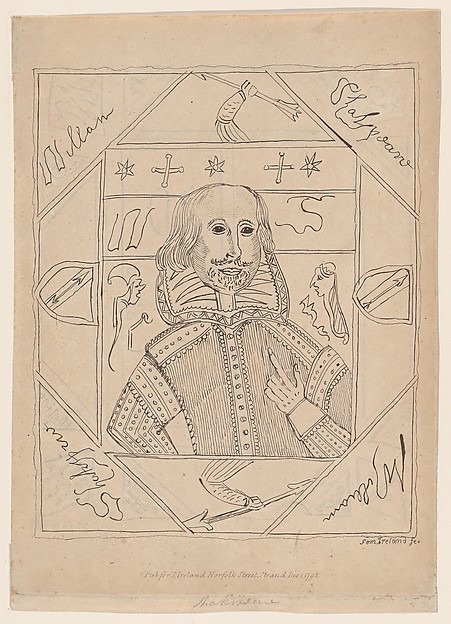
William Shakespeare
Samuel Ireland (d. 1800)
1795 · Etching
Cleared · Public Domain
live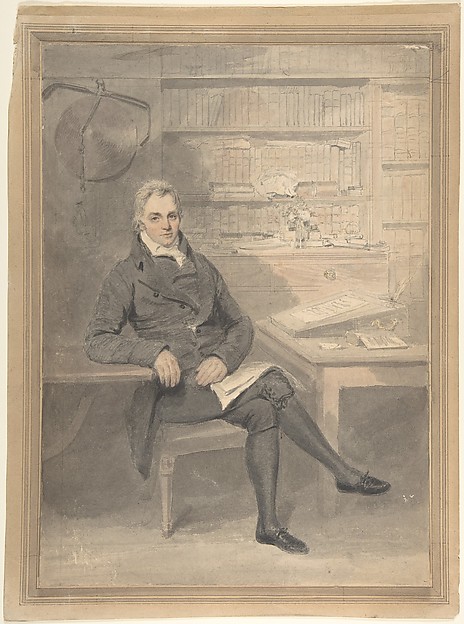
Portrait of a Man, Seated in Front of a Writing Desk
Henry Edridge (d. 1821)
1795–1800 · Watercolor over graphite with touches of gouache (bodycolor)
Cleared · Public Domain
live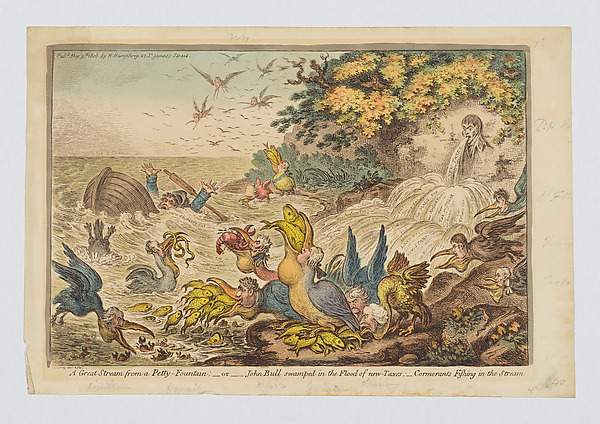
A Great Stream from a Petty Fountain; or John Bull swamped in a Flood of Taxes
James Gillray (d. 1815)
May 9, 1806 · Hand-colored etching
Cleared · Public Domain
live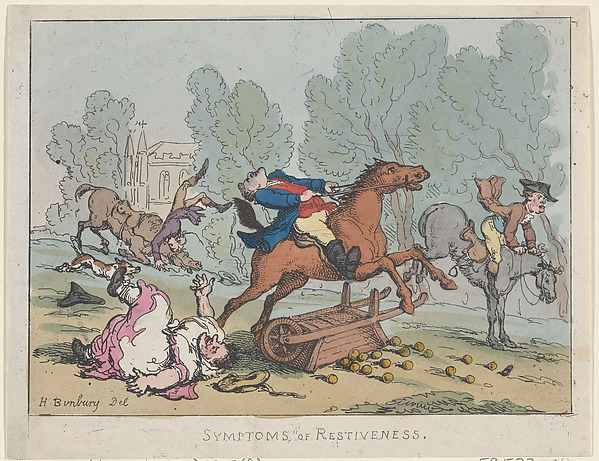
Symptoms of Restiveness
Thomas Rowlandson (d. 1827)
1807 (?) · Hand-colored etching
Cleared · Public Domain
live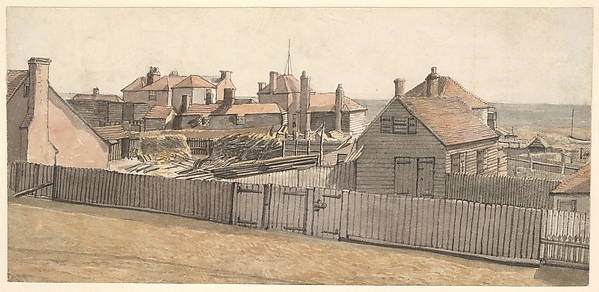
Fishermen's cottages at Hastings
William Henry Hunt (d. 1864)
1815–25 · Watercolor
Cleared · Public Domain
live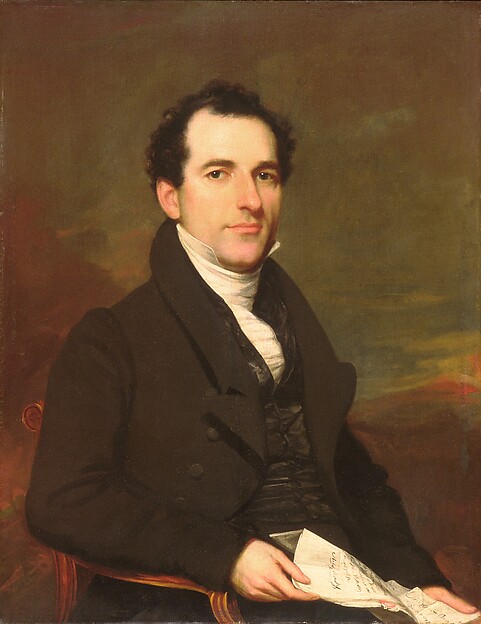
Henry La Tourette de Groot
Samuel Lovett Waldo (d. 1861)
1825–30 · Oil on wood
Cleared · Public Domain
live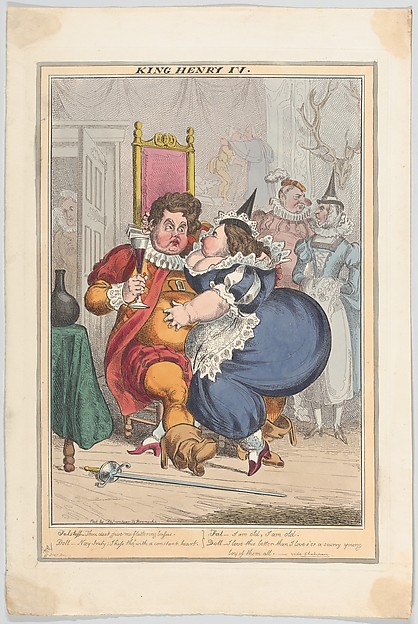
King Henry IV
William Heath ('Paul Pry') (d. 1840)
ca. 1827 · Hand-colored etching
Cleared · Public Domain
live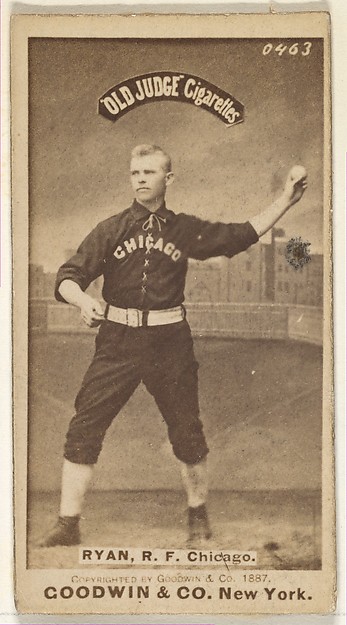
Ryan, Right Field, Chicago, from the Old Judge series (N172) for Old Judge Cigarettes
Goodwin & Company (d. 1950)
1887 · Albumen photograph
Cleared · Public Domain
liveNo open reproduction
The institution withholds the image for this record, which is itself the answer: the picture on their page is not theirs to give away.
Henry uses an old boot to hold his golf balls, from the "Little Henry" (T78), issued with Tareyton Cigarettes by the R. J. Reynolds Tobacco Company
Carl Thomas Anderson (d. 1948)
1936 · Commercial color lithograph
In copyright
live1. Pin the work
Choose the record and say what you are actually going to do with it. The product re-reads the work live and stores a snapshot, so your docket records what the institution said today.
2. Read the arithmetic
Six weighted factors: the institution's own claim, the creator's term, the publication-age rule, the restrictions in their statement, your use, and whether a credit line is even possible.
3. Seal and export
Record the decision into a SHA-384 chain, then export a dated docket as JSON, CSV or Markdown with the credit line and the seal a colleague can re-verify.