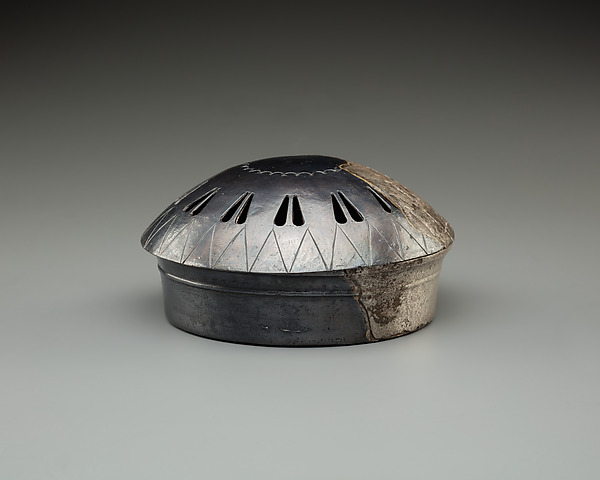
Incense burner with its chain
Unrecorded maker
305–30 BCE · Silver
Cleared · Public Domain
liveThe MetSimilar
Rights clearance desk for images
Museums publish two different things about the same artwork: whether the work is in copyright, and whether their picture of it is. OpenPlate reads both, does the arithmetic on the published term, and shows you the sentence behind every point of the score.
Where this page got its records
1018 ms. The Metropolitan Museum of Art, Collection API (Open Access)
256 ms. The Cleveland Museum of Art, Open Access API
2 of 2 providers answered live. 140 matching records exist across the two collections.
Institutions answered newest-first by record, interleaved
Incense burner with its chain
Unrecorded maker
305–30 BCE · Silver
Cleared · Public Domain
live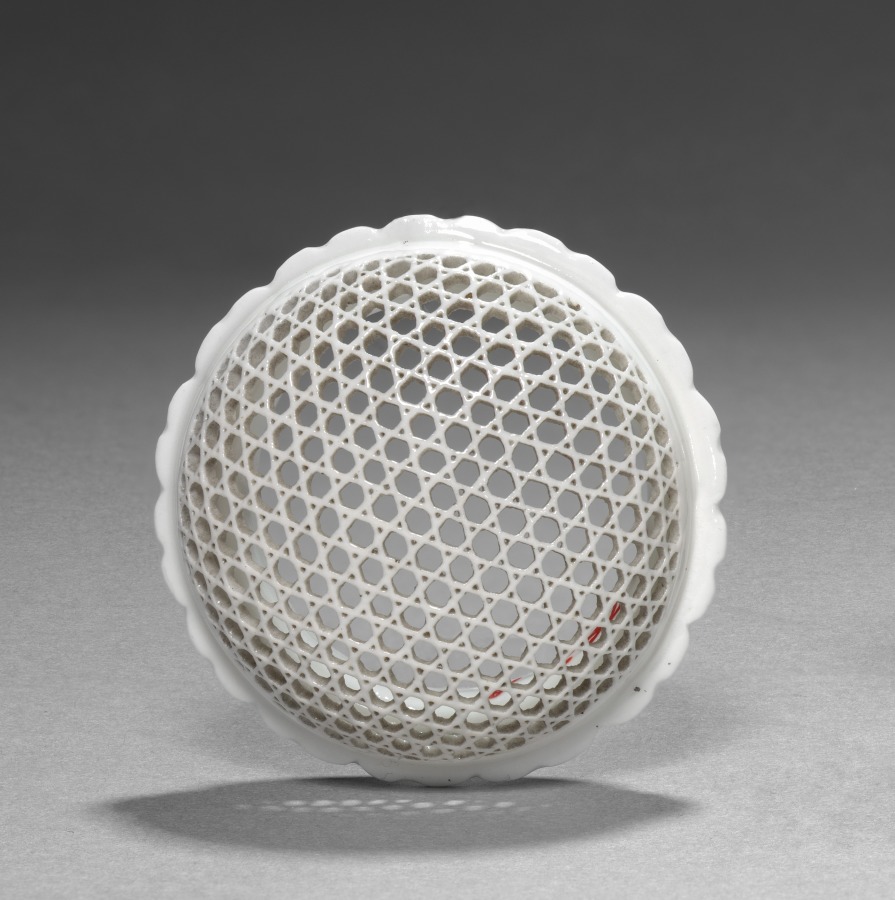
Incense Chalice and Cover (lid)
Unrecorded maker
1700s · Ceramic, porcelain
Cleared · CC0
live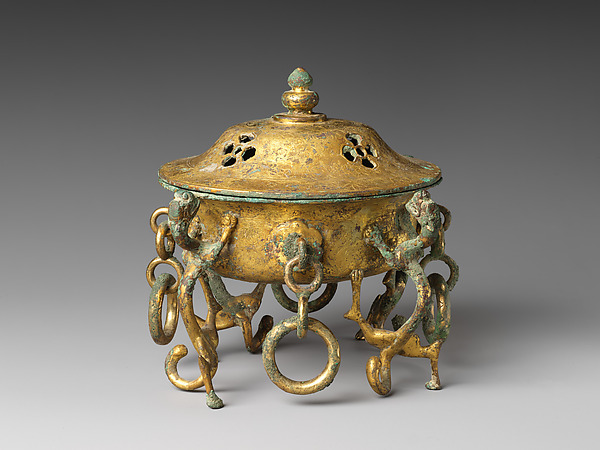
Incense burner
Unrecorded maker
8th century · Gilt bronze
Cleared · Public Domain
live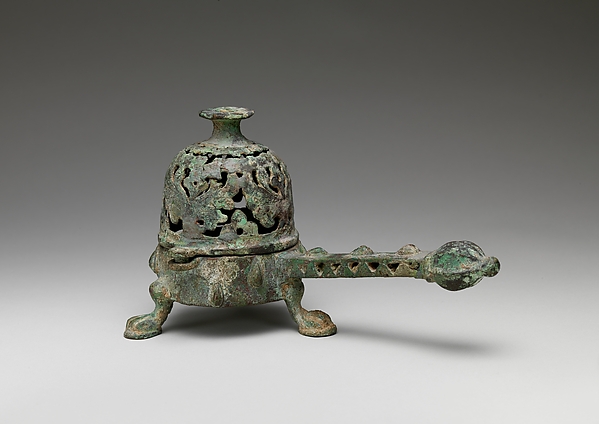
Incense Burner with Domed Cover
Unrecorded maker
8th–9th century · Bronze; cast, pierced, and incised
Cleared · Public Domain
live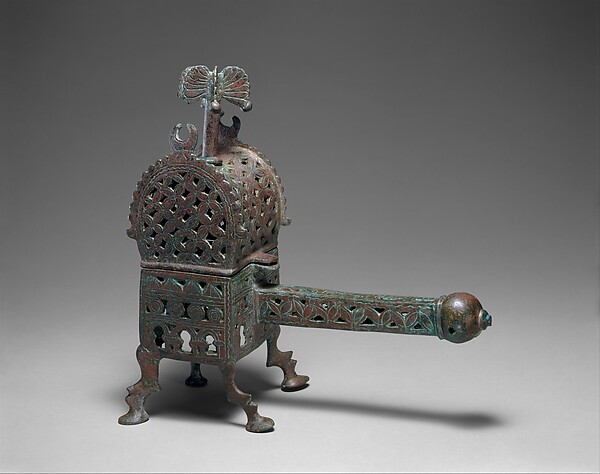
Incense Burner
Unrecorded maker
11th century · Bronze; cast, chased, and pierced
Cleared · Public Domain
live
Incense Box (Kōgō) with Camellias
Unrecorded maker
13th century · Carved red lacquer
Cleared · Public Domain
live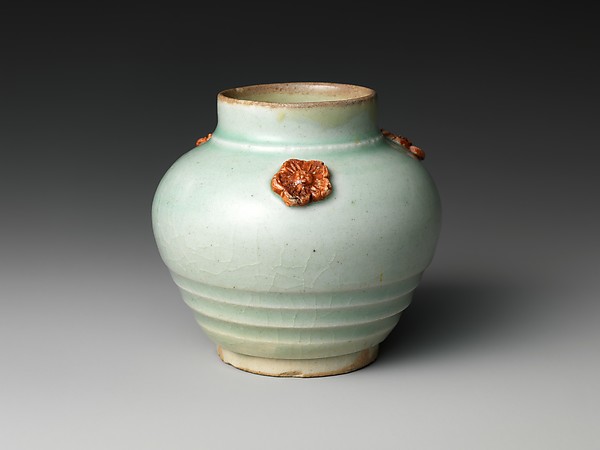
Small Jar (Kotsubo) with Relief Plum- Blossom Patterns
Unrecorded maker
ca. 1630–40s · Porcelain with celadon glaze (Hizen ware, Arita type)
Cleared · Public Domain
live
Ollio pot with cover and stand
Vienna
ca. 1725 · Hard-paste porcelain
Cleared · Public Domain
live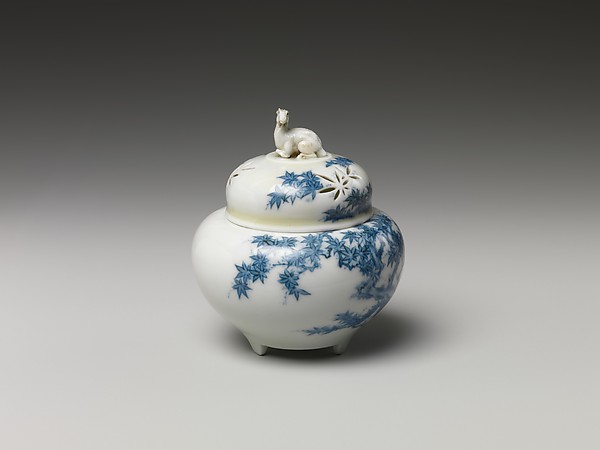
Incense Burner with Cover
Unrecorded maker
1750 · White porcelain decorated with blue under the glaze (Hirado ware)
Cleared · Public Domain
live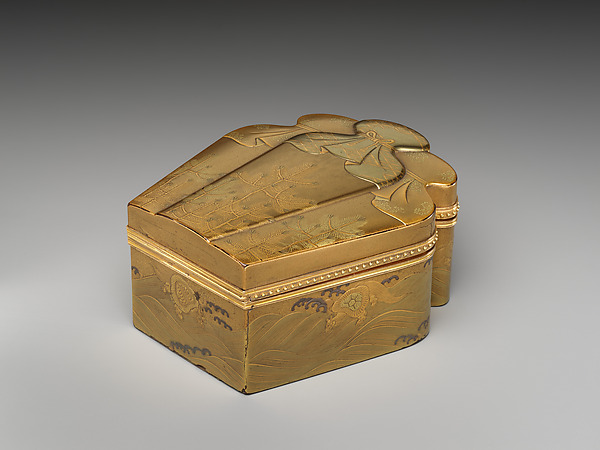
Incense Box (Kōbako) in the Shape of Three Overlapping Jars
Barthélémy Paviet (d. 1800)
mid-18th century · Lacquered wood with gold and silver takamaki‑e, hiramaki‑e, and togidashimaki‑e on gold ground, with gilded mount
Cleared · Public Domain
live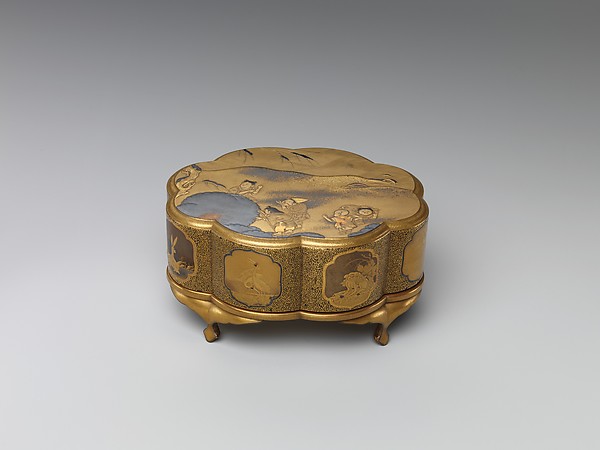
Incense box with Chinese children playing with snowballs
Unrecorded maker
18th century · Gold, silver togidashi maki-e, hiramaki-e, takamaki-e, cut-out gold foil application, red lacquer, gold foil application on gold ground
Cleared · Public Domain
live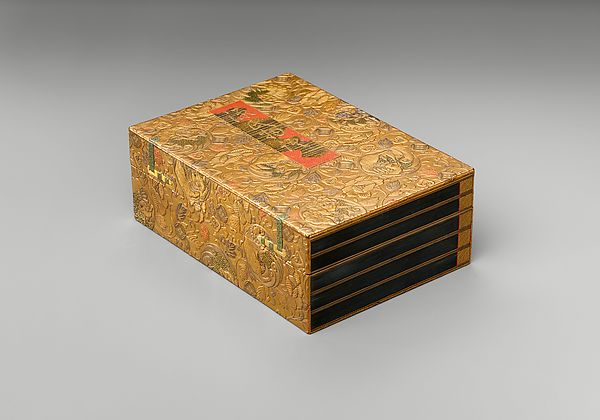
Incense Box (kōbako) in the Shape of Five Volumes of The Tale of Genji
Unrecorded maker
late 19th century · Lacquered wood with gold and silver takamaki-e, hiramaki-e, and togidashimaki-e, cutout gold- and silver-foil application, and red and green lacquer
Cleared · Public Domain
live1. Pin the work
Choose the record and say what you are actually going to do with it. The product re-reads the work live and stores a snapshot, so your docket records what the institution said today.
2. Read the arithmetic
Six weighted factors: the institution's own claim, the creator's term, the publication-age rule, the restrictions in their statement, your use, and whether a credit line is even possible.
3. Seal and export
Record the decision into a SHA-384 chain, then export a dated docket as JSON, CSV or Markdown with the credit line and the seal a colleague can re-verify.