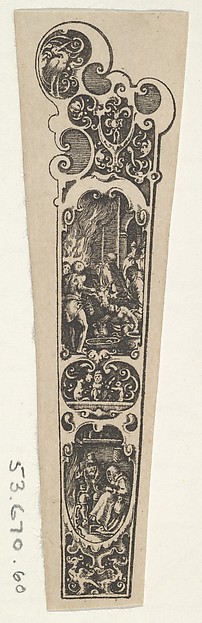
Design for a Knife Handle with a Couple Gathered Around a Fire at Bottom
Johann Theodor de Bry (d. 1623)
1580–1600 · Engraving and blackwork
Cleared · Public Domain
liveThe MetSimilar
Rights clearance desk for images
Museums publish two different things about the same artwork: whether the work is in copyright, and whether their picture of it is. OpenPlate reads both, does the arithmetic on the published term, and shows you the sentence behind every point of the score.
Where this page got its records
211 ms. The Metropolitan Museum of Art, Collection API (Open Access)
288 ms. The Cleveland Museum of Art, Open Access API
2 of 2 providers answered live. 258 matching records exist across the two collections.
Institutions answered newest-first by record, interleaved
Design for a Knife Handle with a Couple Gathered Around a Fire at Bottom
Johann Theodor de Bry (d. 1623)
1580–1600 · Engraving and blackwork
Cleared · Public Domain
live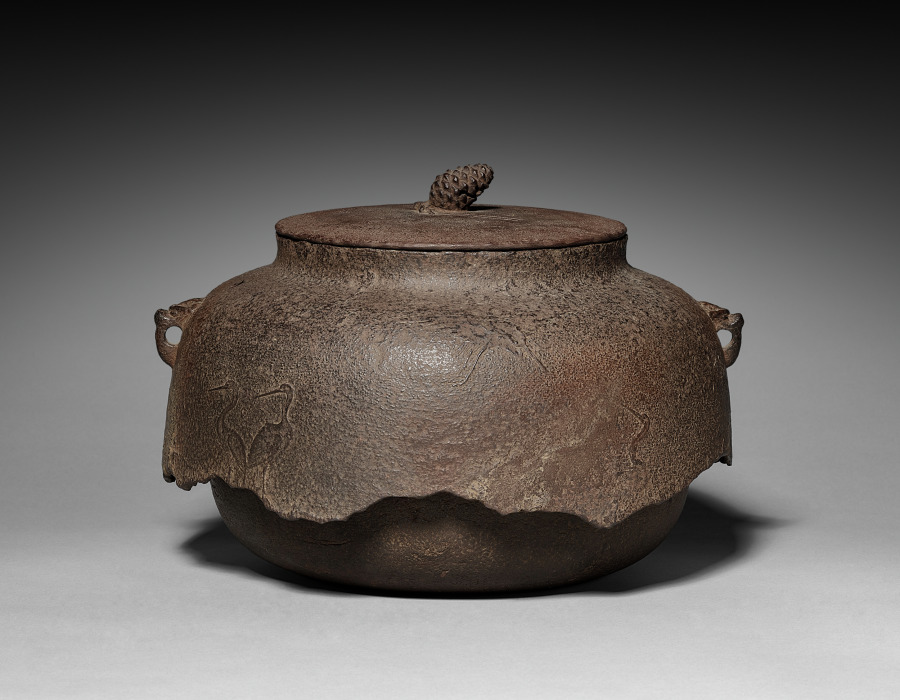
Kettle with Crane Design
Unrecorded maker
1392–1573 · Metalwork, iron
Cleared · CC0
live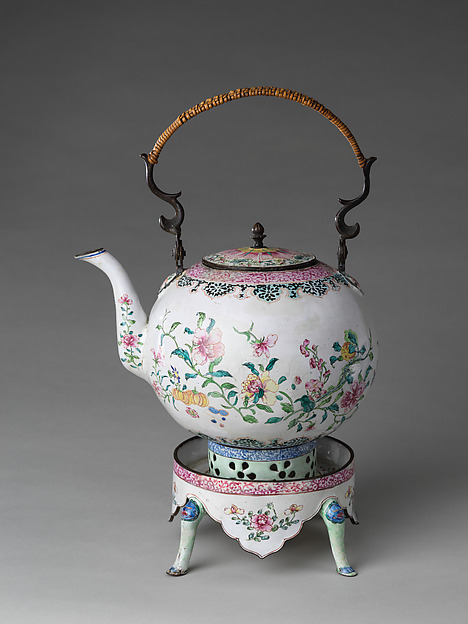
Kettle and stand
Unrecorded maker
second half 18th century · Painted enamel on copper alloy
Cleared · Public Domain
live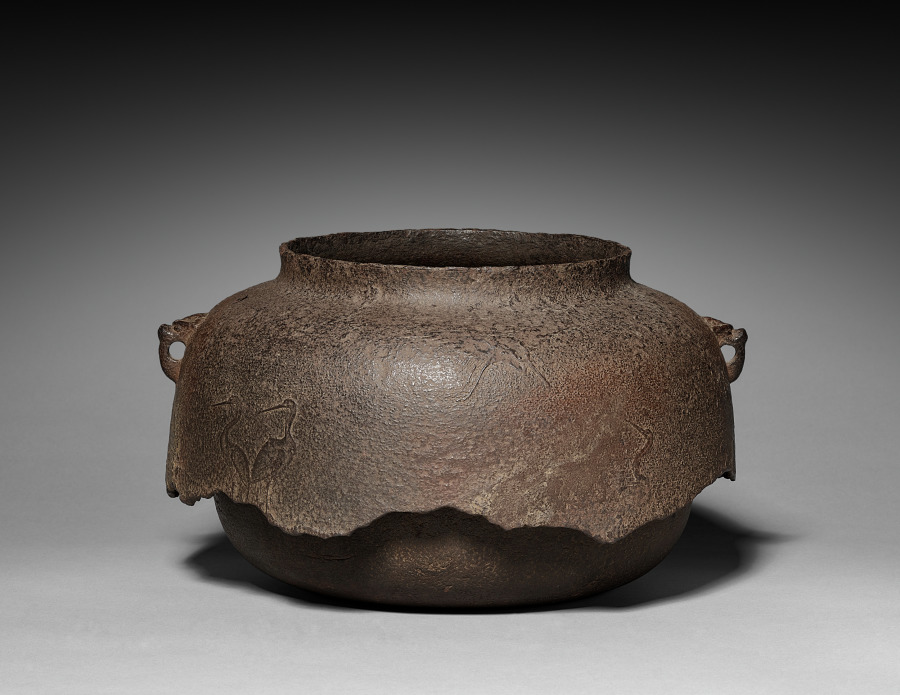
Kettle with Crane Design
Unrecorded maker
1392–1573 · Metalwork, iron
Cleared · CC0
live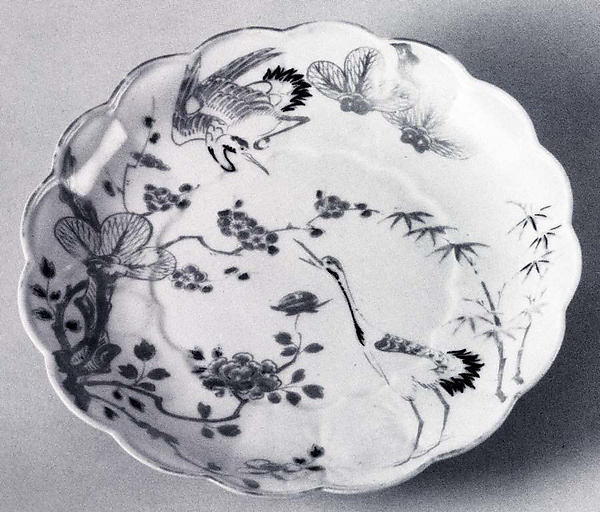
Lobed Dish with Molded Chrysanthemum Design and Decoration of Crane, Bamboo, Plum and Pine
Unrecorded maker
ca. 18th century · Porcelain with overglaze enamels (Arita ware, Ko Imari type)
Cleared · Public Domain
live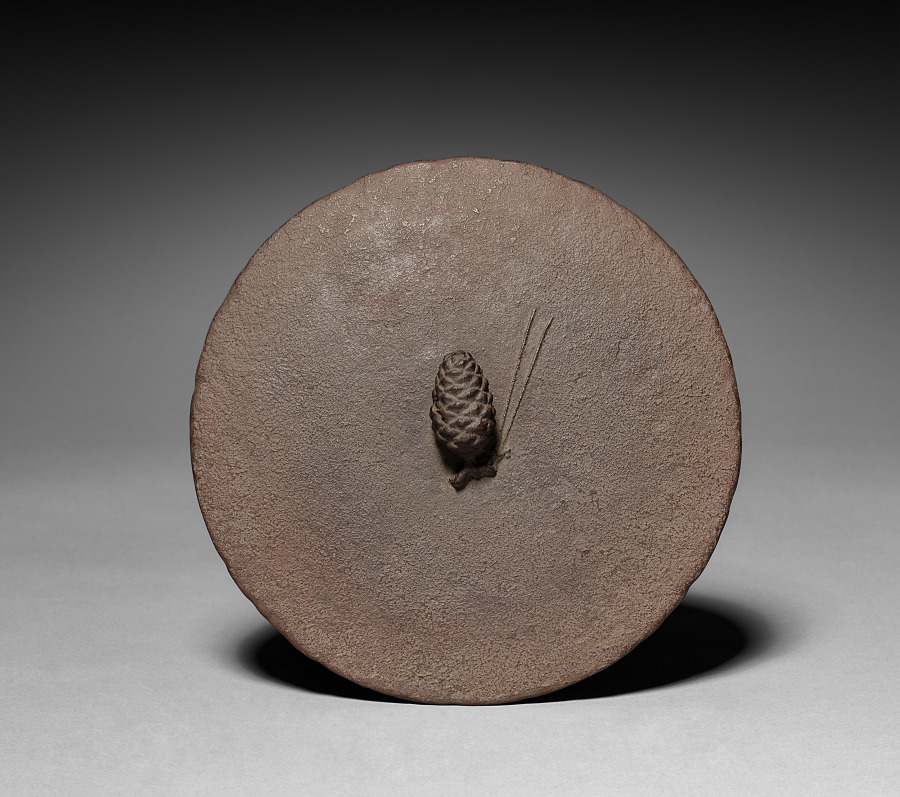
Kettle with Crane Design (lid)
Unrecorded maker
1392–1573 · Metalwork, iron
Cleared · CC0
live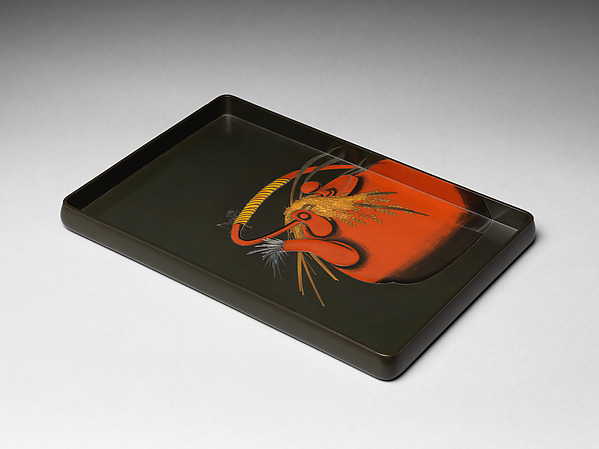
Tray with rice stalks and a grasshopper on a tea kettle
Shibata Zeshin (d. 1891)
1880s · Lacquered wood; gold, silver, red, yellow, black hiramaki-e and takamaki-e on “bronze imitation” (seido-nuri) ground
Cleared · Public Domain
live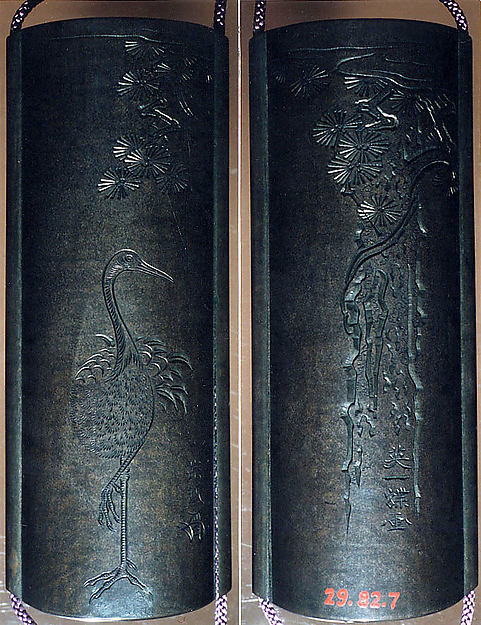
Case (Inrō) with Design of Crane Standing Beneath Pine Tree (obverse); Morning Glory and Inscription (reverse)
Hanabusa Itchō (d. 1724)
19th century · Metal and lacquer, dark silver metal, incised, roiro, gold hiramakie, raden, aogai; Interior: fundame, four boxes
Cleared · Public Domain
live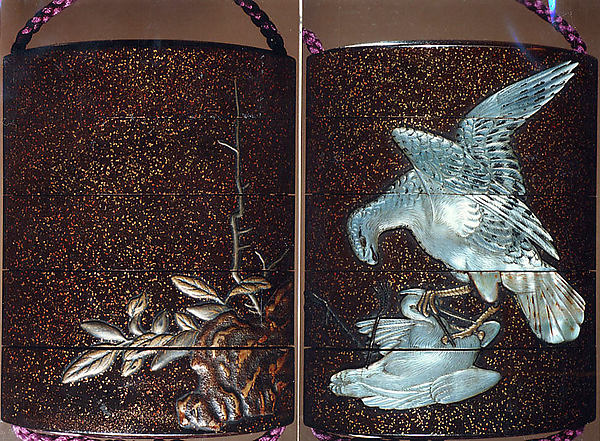
Case (Inrō) with Design of Hawk Attacking Crane beside Rocks and Plants
Unrecorded maker
19th century · Lacquer, roiro, nashiji, gold, silver and brown hiramakie, raden inlay; Interior: roiro, fundame & chinkinbori decoration
Cleared · Public Domain
live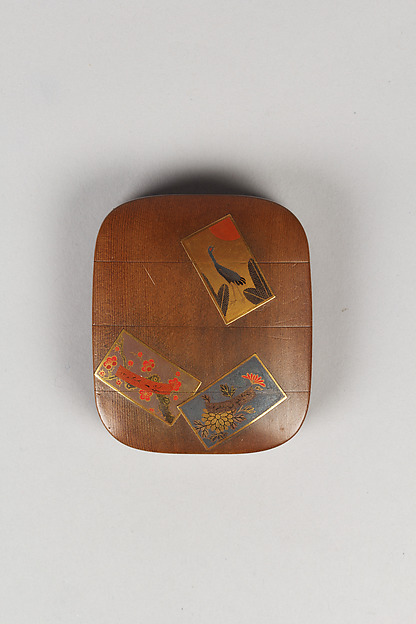
Case (Inrō) with Design of Poem Cards with Crane and Pine, Plum, Cherry, Chrysanthemum
Unrecorded maker
late 19th century · Wood, polished wood, gold and colored hiramakie, togidashi; Interior: plain
Cleared · Public Domain
live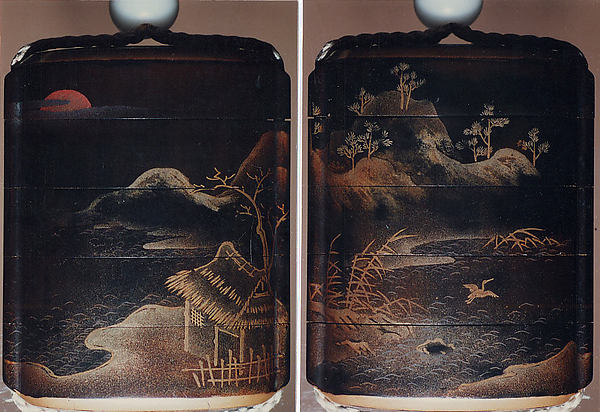
Case (Inrō) with Design of Thatched Hut with Crane, Reeds and Mountains
Unrecorded maker
18th–19th century · Lacquer, roiro, gold, silver and red hiramakie, togidashi, nashiji; Interior: roiro and fundame
Cleared · Public Domain
live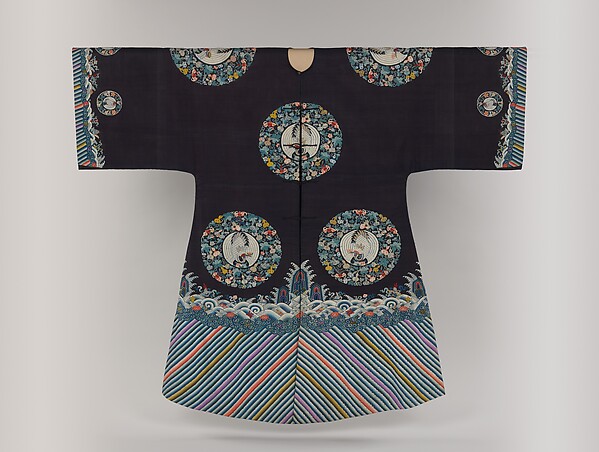
Woman’s coat with crane medallions
Unrecorded maker
19th century · Silk tapestry (kesi)
Cleared · Public Domain
live1. Pin the work
Choose the record and say what you are actually going to do with it. The product re-reads the work live and stores a snapshot, so your docket records what the institution said today.
2. Read the arithmetic
Six weighted factors: the institution's own claim, the creator's term, the publication-age rule, the restrictions in their statement, your use, and whether a credit line is even possible.
3. Seal and export
Record the decision into a SHA-384 chain, then export a dated docket as JSON, CSV or Markdown with the credit line and the seal a colleague can re-verify.