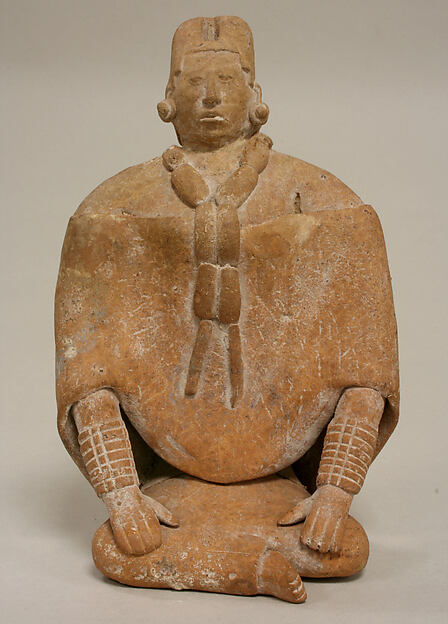
Seated Female Figure
Unrecorded maker
6th–9th century · Ceramic
Cleared · Public Domain
liveThe MetSimilar
Rights clearance desk for images
Museums publish two different things about the same artwork: whether the work is in copyright, and whether their picture of it is. OpenPlate reads both, does the arithmetic on the published term, and shows you the sentence behind every point of the score.
Where this page got its records
5652 ms. The Metropolitan Museum of Art, Collection API (Open Access)
410 ms. The Cleveland Museum of Art, Open Access API
2 of 2 providers answered live. 83 matching records exist across the two collections.
Institutions answered newest-first by record, interleaved
Seated Female Figure
Unrecorded maker
6th–9th century · Ceramic
Cleared · Public Domain
live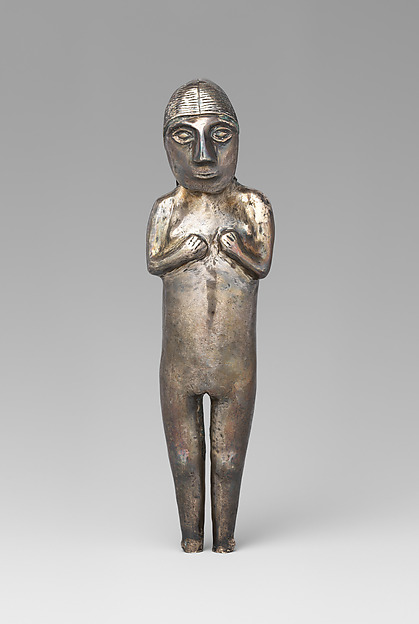
Female Figurine
Unrecorded maker
1400–1533 · Silver
Cleared · Public Domain
live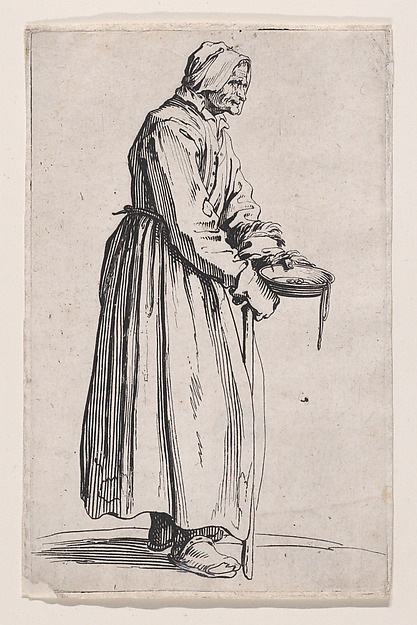
La Mendiante a la Sébille (The Female Beggar with the Begging Bowl), from "Les Gueux suite appelée aussi Les Mendiants, Les Baroni, ou Les Barons" (The Beggars, also called the Barons)
Jacques Callot (d. 1635)
ca. 1623 · Etching; first state of two (Lieure)
Cleared · Public Domain
live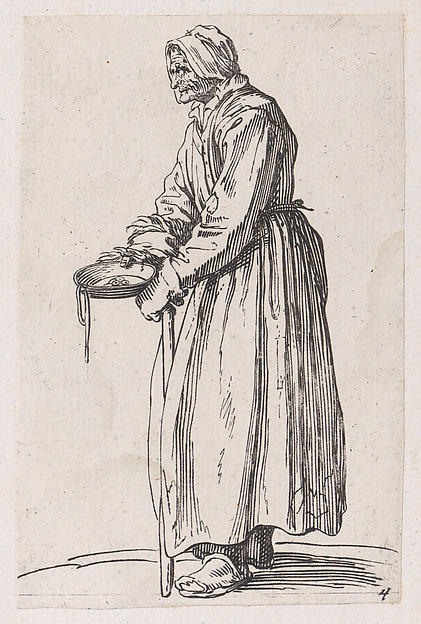
Reverse Copy of La Mendiante a La Sébille (The Female Beggar with The Begging Bowl), from Les Gueux suite appelée aussi Les Mendiants, Les Baroni, ou Les Barons (The Beggars, also called the Barons)
Anonymous
17th century · Etching
Cleared · Public Domain
live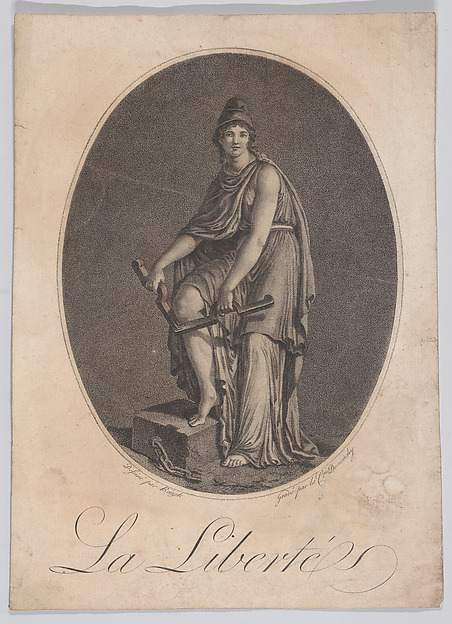
La Liberté
Citoyenne de Monchy
ca. 1794 · Etching and pointillé
Cleared · Public Domain
live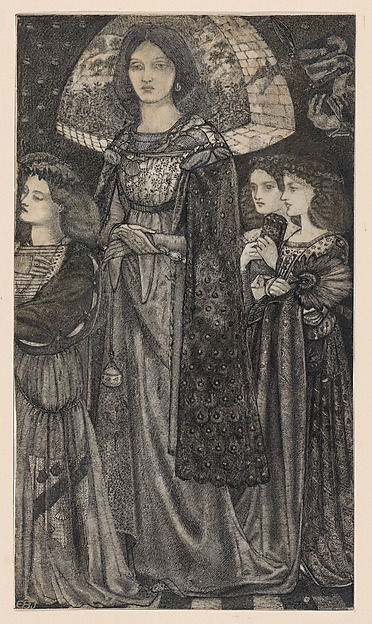
Alice, la Belle Pèlerine
Sir Edward Burne-Jones (d. 1898)
1858–59 · Graphite and black ink, heightened with white, on vellum; the head and shoulders on a subsidiary piece of vellum
Cleared · Public Domain
liveNo open reproduction
The institution withholds the image for this record, which is itself the answer: the picture on their page is not theirs to give away.
La Mendiante a la Sébille (The Female Beggar with the Begging Bowl), from "Les Gueux suite appelée aussi Les Mendiants, Les Baroni, ou Les Barons" (The Beggars, also called the Barons)
Jacques Callot (d. 1635)
ca. 1623 · Etching; first state of two (Lieure)
In copyright
liveNo open reproduction
The institution withholds the image for this record, which is itself the answer: the picture on their page is not theirs to give away.
La Mendiante a la Sébille (The Female Beggar with the Begging Bowl), from "Les Gueux suite appelée aussi Les Mendiants, Les Baroni, ou Les Barons" (The Beggars, also called the Barons)
Jacques Callot (d. 1635)
ca. 1623 · Etching; first state of two (Lieure)
In copyright
liveNo open reproduction
The institution withholds the image for this record, which is itself the answer: the picture on their page is not theirs to give away.
La Mendiante a la Sébille (The Female Beggar with the Begging Bowl), plate 20 from "Les Gueux suite appelée aussi Les Mendiants, Les Baroni, ou Les Barons" (The Beggars, also called the Barons)
Jacques Callot (d. 1635)
ca. 1623 · Etching; second state of two (Lieure); possibly a re-strike by Israel Silvestre
In copyright
liveNo open reproduction
The institution withholds the image for this record, which is itself the answer: the picture on their page is not theirs to give away.
La Mendiante aux Béquilles (The Female Beggar with Crutches), plate 16 from "Les Gueux suite appelée aussi Les Mendiants, Les Baroni, ou Les Barons" (The Beggars, also called the Barons)
Jacques Callot (d. 1635)
ca. 1623 · Etching; second state of two (Lieure); possibly a re-strike by Israel Silvestre
In copyright
liveNo open reproduction
The institution withholds the image for this record, which is itself the answer: the picture on their page is not theirs to give away.
La Mendiante Venant de Recevoir la Charité (The Female Beggar Receiving her Charity), plate 23 from "Les Gueux suite appelée aussi Les Mendiants, Les Baroni, ou Les Barons" (The Beggars, also called the Barons)
Jacques Callot (d. 1635)
ca. 1623 · Etching; second state of two (Lieure); possibly a re-strike by Israel Silvestre
In copyright
liveNo open reproduction
The institution withholds the image for this record, which is itself the answer: the picture on their page is not theirs to give away.
La Liberté et l'Egalité
Sèvres Manufactory (d. 9999)
1793/4 · Blue and white biscuit (unglazed hard-paste porcelain) with gilding; ebonzied wood frame
In copyright
live1. Pin the work
Choose the record and say what you are actually going to do with it. The product re-reads the work live and stores a snapshot, so your docket records what the institution said today.
2. Read the arithmetic
Six weighted factors: the institution's own claim, the creator's term, the publication-age rule, the restrictions in their statement, your use, and whether a credit line is even possible.
3. Seal and export
Record the decision into a SHA-384 chain, then export a dated docket as JSON, CSV or Markdown with the credit line and the seal a colleague can re-verify.