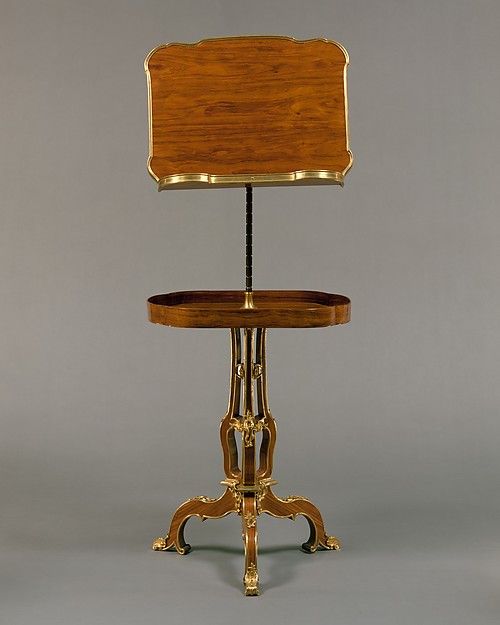
Adjustable reading and writing table (pupitre à crémaillère, servant de table)
Martin Carlin (d. 1785)
ca. 1760–65 · Tulipwood; gilt bronze, brass, steel
Cleared · Public Domain
liveThe MetSimilar
Rights clearance desk for images
Museums publish two different things about the same artwork: whether the work is in copyright, and whether their picture of it is. OpenPlate reads both, does the arithmetic on the published term, and shows you the sentence behind every point of the score.
Where this page got its records
2077 ms. The Metropolitan Museum of Art, Collection API (Open Access)
342 ms. The Cleveland Museum of Art, Open Access API
2 of 2 providers answered live. 1,801 matching records exist across the two collections.
Institutions answered newest-first by record, interleaved
Adjustable reading and writing table (pupitre à crémaillère, servant de table)
Martin Carlin (d. 1785)
ca. 1760–65 · Tulipwood; gilt bronze, brass, steel
Cleared · Public Domain
live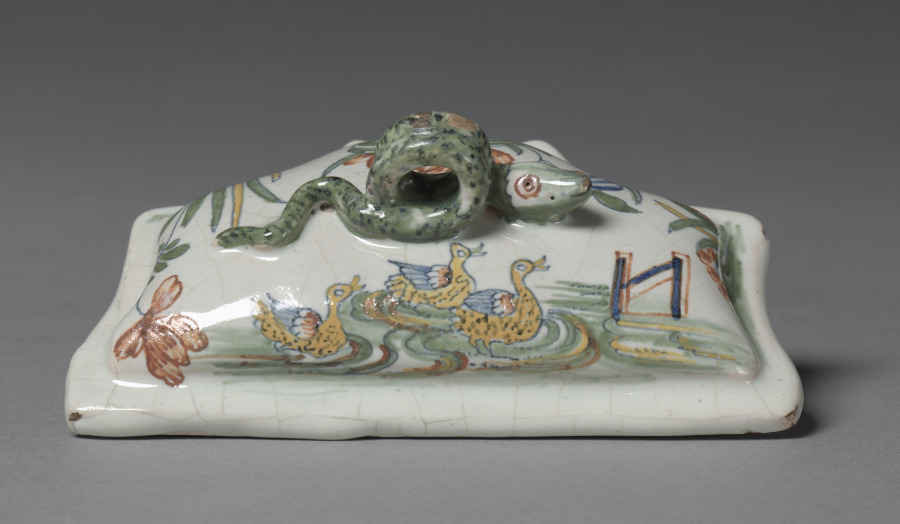
Lid from Writing Stand
Sinceny Factory
1746 · Ceramic, Tin-glazed earthenware (faience) with enamel decoration
Cleared · CC0
live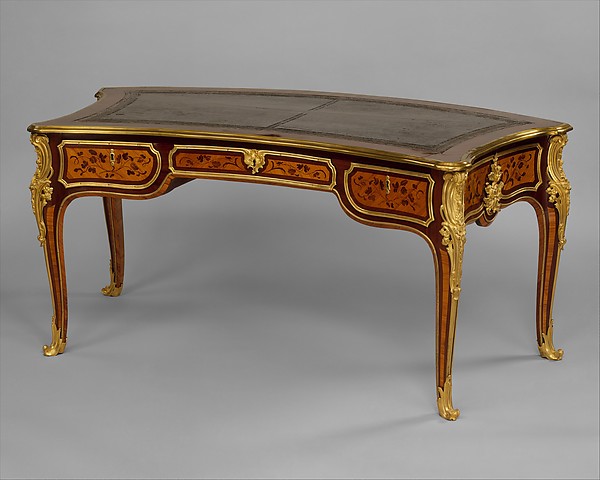
Writing table (part of a set)
Joseph Baumhauer (d. 1772)
ca. 1770 · Oak, veneered with tulipwood, purplewood, casuarina wood, and kingwood; gilt-bronze mounts, gilt-tooled leather
Cleared · Public Domain
live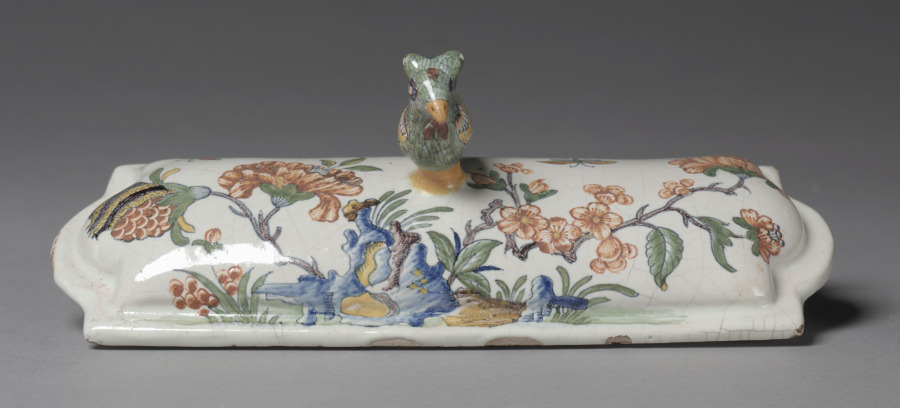
Lid from Writing Stand
Sinceny Factory
1746 · Ceramic, Tin-glazed earthenware (faience) with enamel decoration
Cleared · CC0
live
Stand
Sèvres Manufactory (d. 9999)
ca. 1777–85 · Hard-paste porcelain decorated in polychrome enamels, gold
Cleared · Public Domain
live
Writing Box with Cranes, Pines, Plum Blossoms, and Characters
Unrecorded maker
18th century · Lacquered wood with gold and silver takamaki-e, hiramaki-e, togidashimaki-e, and silver inlay on nashiji ground
Cleared · Public Domain
live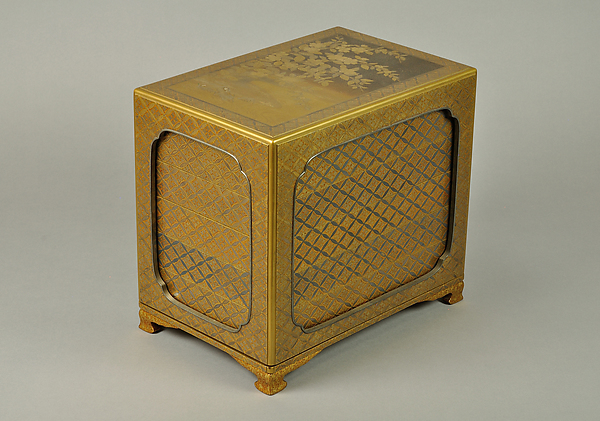
Set of Five Writing Boxes with Japanese Globeflowers, Plum Blossoms, and Interlaced Roundels
Unrecorded maker
late 18th–early 19th century · Lacquered wood with gold and silver hiramaki-e and applied gold foil on nashiji ground
Cleared · Public Domain
live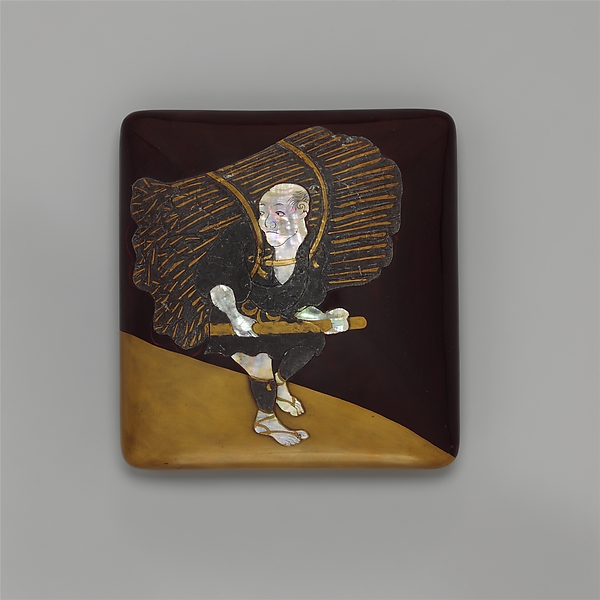
Writing Box (Suzuribako) with Woodcutter
Hon'ami Kōetsu (d. 1637)
18th or early 19th century · Gold maki-e on black lacquer with mother-of-pearl inlay
Cleared · Public Domain
live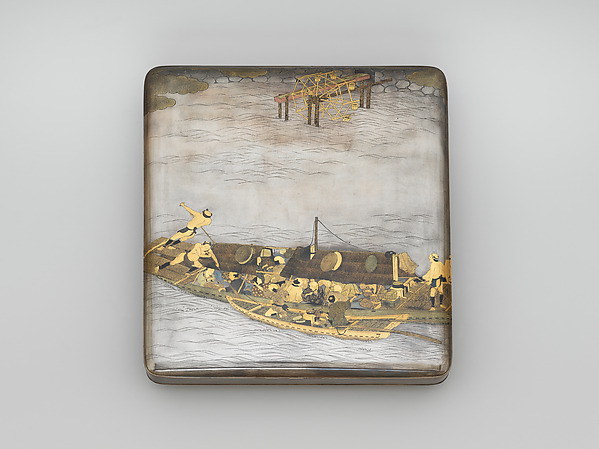
Writing box (suzuribako) with passenger boat on the Yodo River
Shiomi Masanari 塩見政誠 (d. 1719)
mid-19th century · Lacquered wood with gold, silver, color togidashimaki-e on silver ground
Cleared · Public Domain
live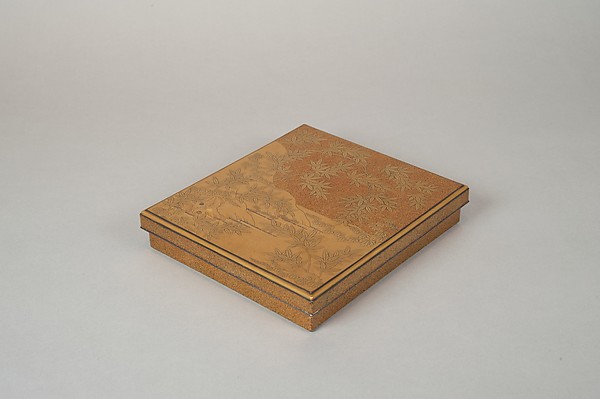
Writing Box (Suzuribako) with Episodes from the Tales of Ise (Ise monogatari)
Nakayama Komin (d. 1870)
19th century · Gold maki-e with inlaid silver on lacquer
Cleared · Public Domain
live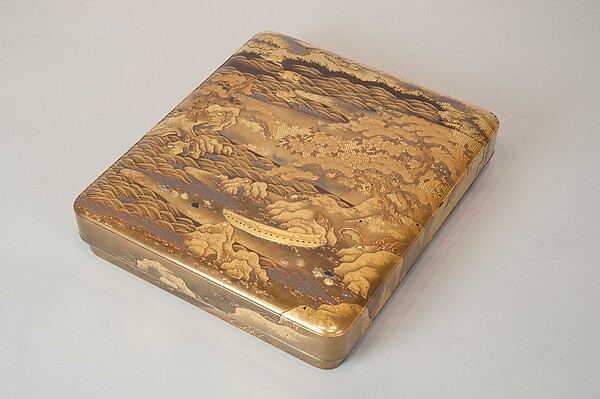
Writing Box with a Scene from the “Butterflies” Chapter of The Tale of Genji
Unrecorded maker
20th century · Gold lacquer with raised sprinkled design
Cleared · Public Domain
live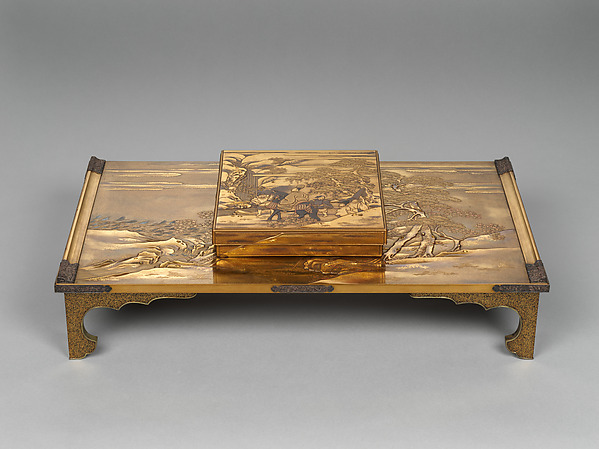
Writing box and desk with scenes from The Tales of Ise (Ise monogatari)
Unrecorded maker
early 20th century · Lacquered wood with gold, silver takamaki-e, hiramaki-e, togidashimaki-e, cut-out gold foil on gold and nashiji ground, silver fittings
Cleared · Public Domain
live1. Pin the work
Choose the record and say what you are actually going to do with it. The product re-reads the work live and stores a snapshot, so your docket records what the institution said today.
2. Read the arithmetic
Six weighted factors: the institution's own claim, the creator's term, the publication-age rule, the restrictions in their statement, your use, and whether a credit line is even possible.
3. Seal and export
Record the decision into a SHA-384 chain, then export a dated docket as JSON, CSV or Markdown with the credit line and the seal a colleague can re-verify.