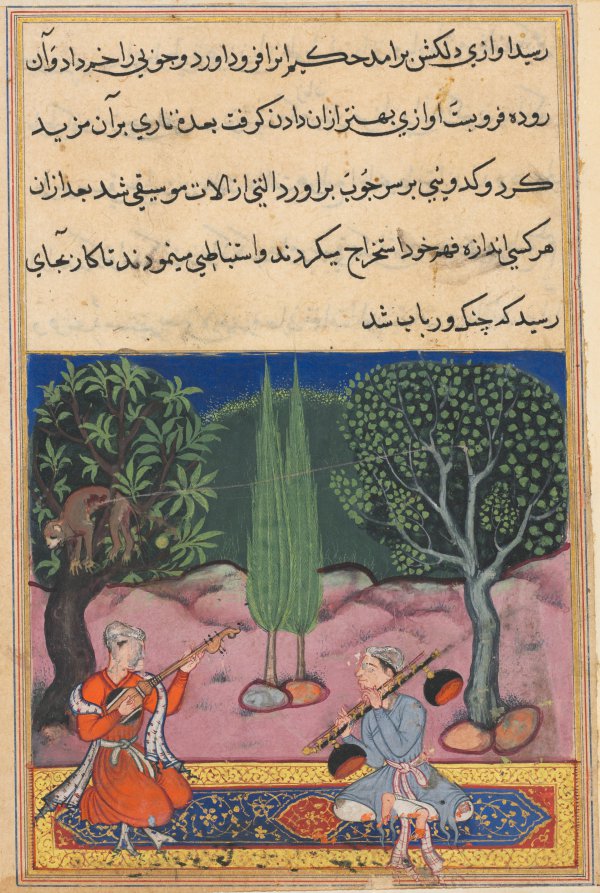
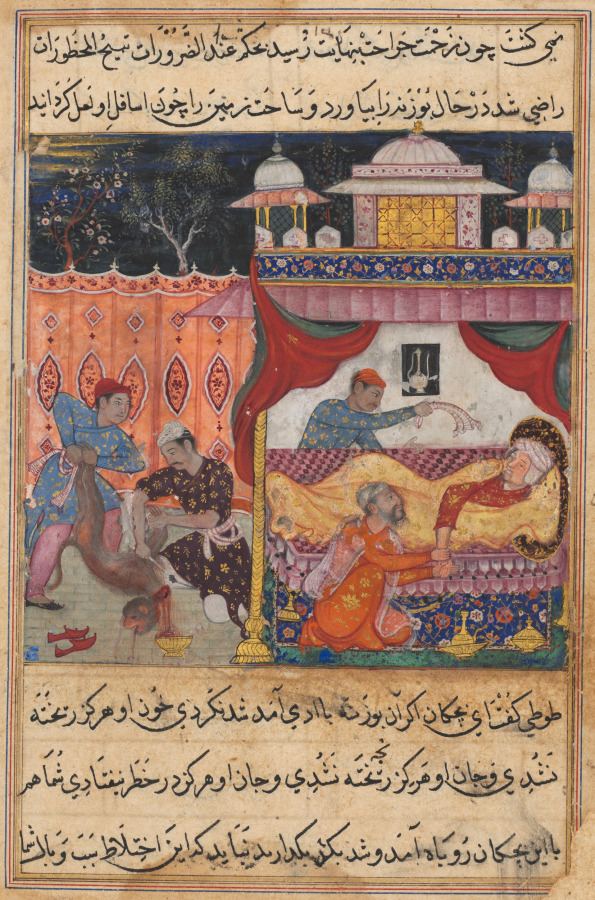
The monkey slain, his blood to be used as medicine for the ailing prince he has bitten, from a Tuti-nama (Tales of a Parrot): Fifth Night
Basawan
c. 1560 · Painting, gum tempera, ink, and gold on paper
Cleared · CC0
liveRights clearance desk for images
Museums publish two different things about the same artwork: whether the work is in copyright, and whether their picture of it is. OpenPlate reads both, does the arithmetic on the published term, and shows you the sentence behind every point of the score.
Where this page got its records
The Metropolitan Museum of Art did not answer: met answered HTTP 403
332 ms. The Cleveland Museum of Art, Open Access API
1 of 2 providers answered live. 8 matching records exist across the two collections.
Institutions answered newest-first by record, interleaved

The monkey slain, his blood to be used as medicine for the ailing prince he has bitten, from a Tuti-nama (Tales of a Parrot): Fifth Night
Basawan
c. 1560 · Painting, gum tempera, ink, and gold on paper
Cleared · CC0
live
The invention of musical instruments from the intestines of a monkey, from a Tuti-nama (Tales of a Parrot): Fourteenth Night
Unrecorded maker
c. 1560 · Painting, gum tempera, ink, and gold on paper
Cleared · CC0
live
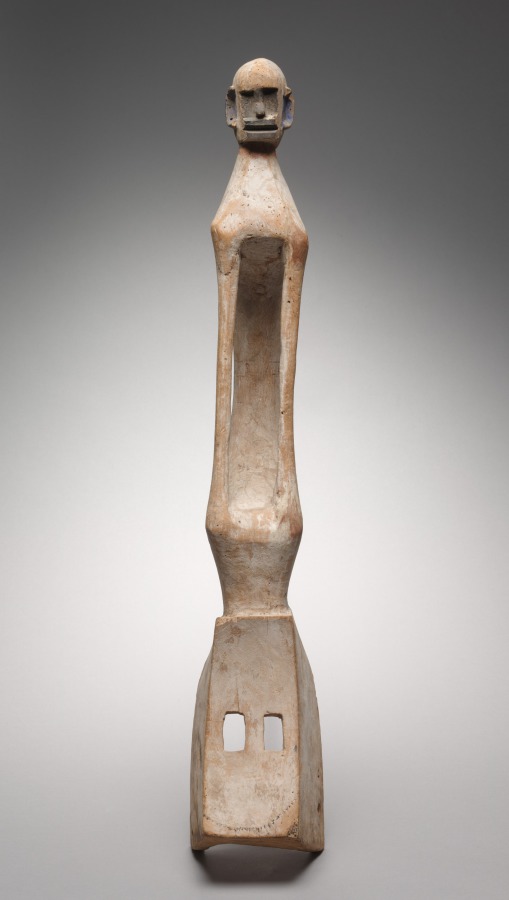
Mask (Omono or Tana Wurum Bogoro)
Unrecorded maker
early 1900s · Mask, Wood and paint
Cleared · CC0
live
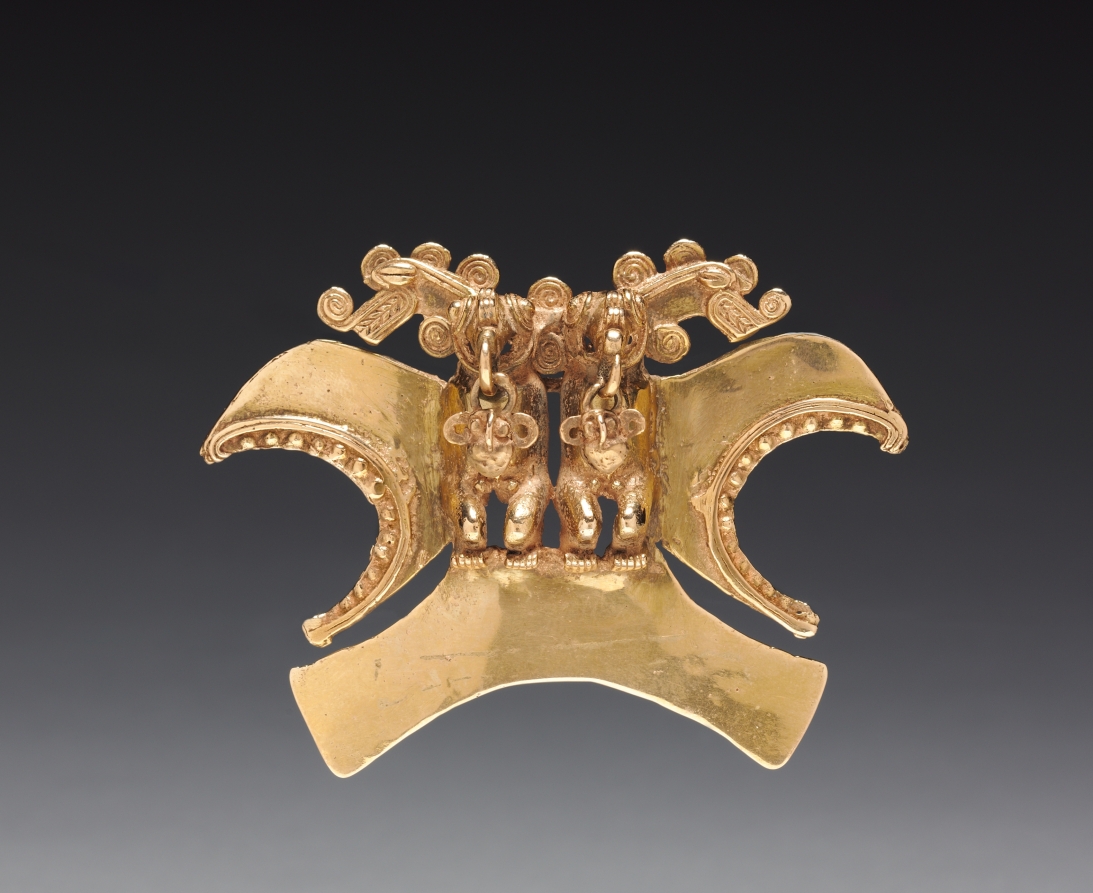
Double Bird-Headed Figure Pendant
Unrecorded maker
c. 1000–1500 · Metalwork, cast and hammered gold
Cleared · CC0
live
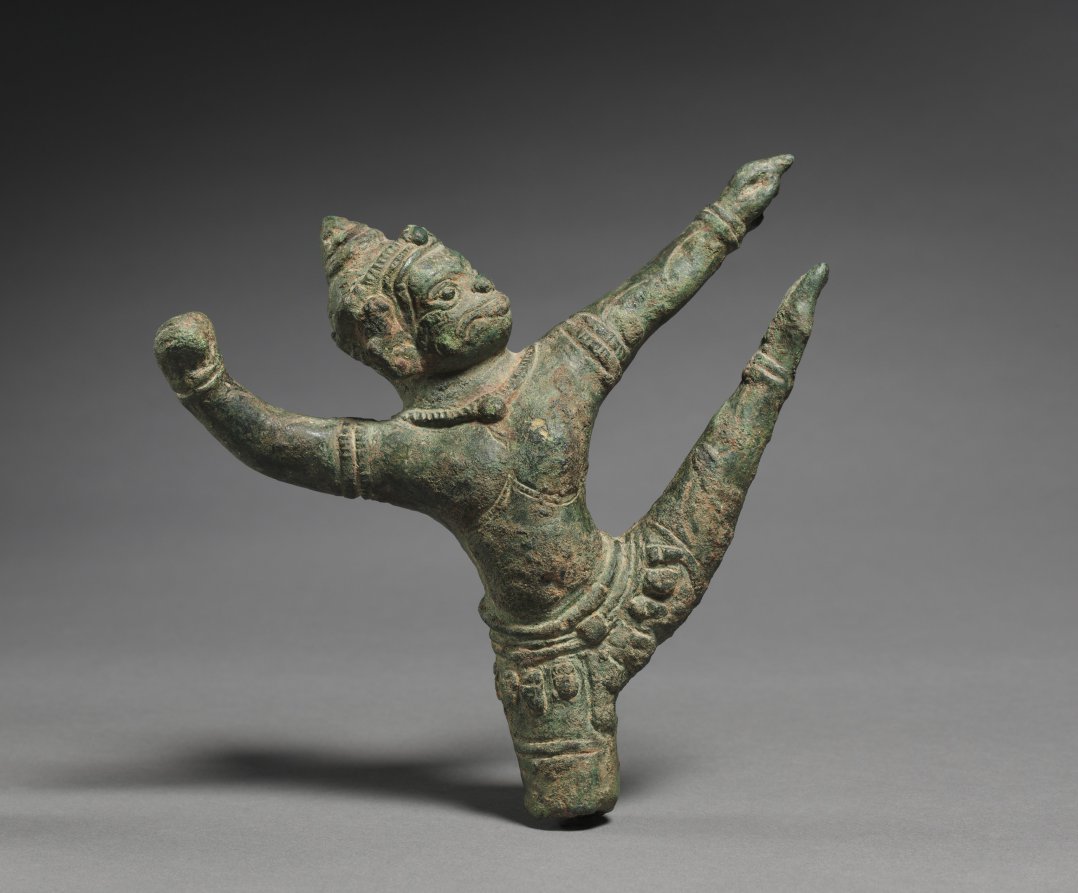
Hanuman
Unrecorded maker
1100s · Sculpture, bronze
Cleared · CC0
live
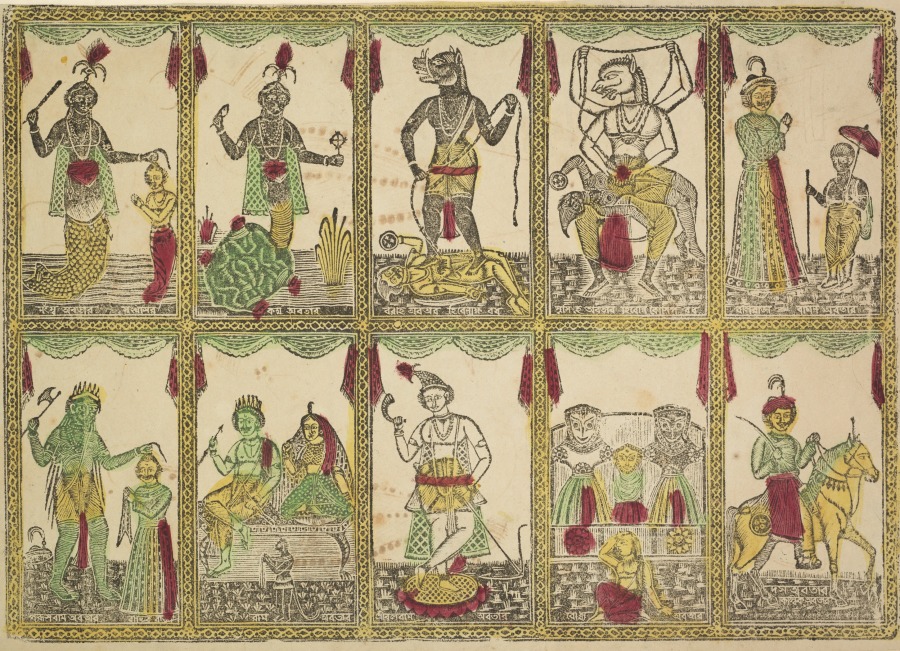
Das Avataras, Ten Incarnations of Vishnu (verso), from a Kalighat album
Shri Gobinda Chandra Roy
c. 1890 · Painting, Woodcut, hand colored with gum tempera
Cleared · CC0
live
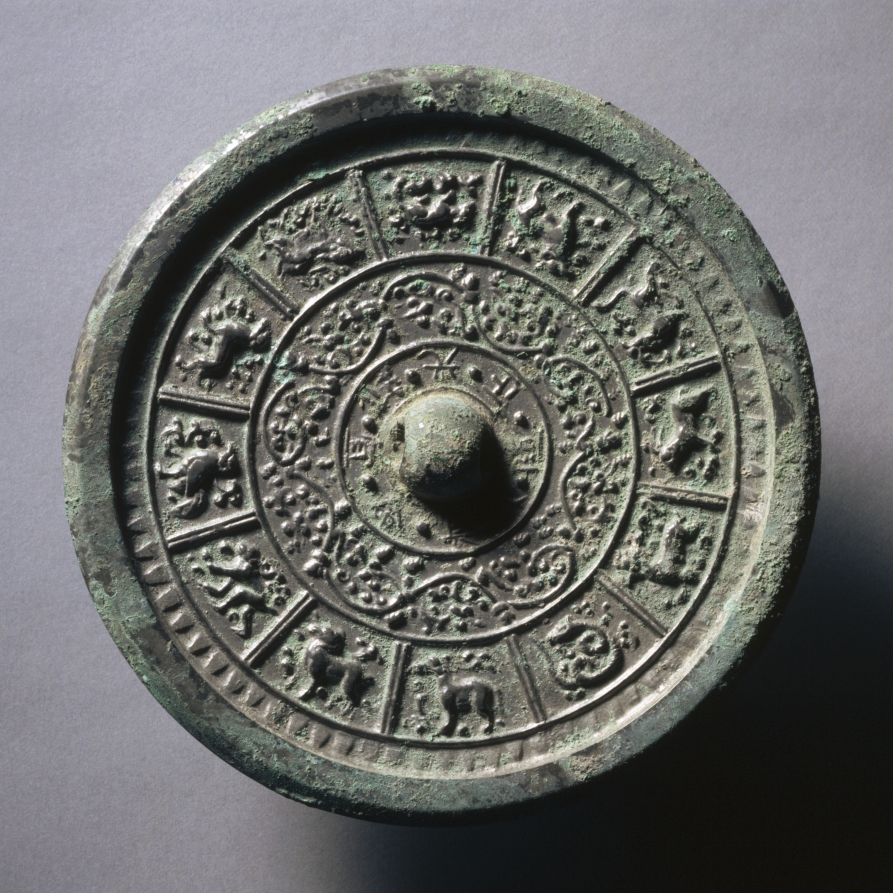
Mirror with Interlacing Floral Motifs and Twelve Zodiac Animals
Unrecorded maker
late 500s–early 600s · Metalwork, bronze
Cleared · CC0
live
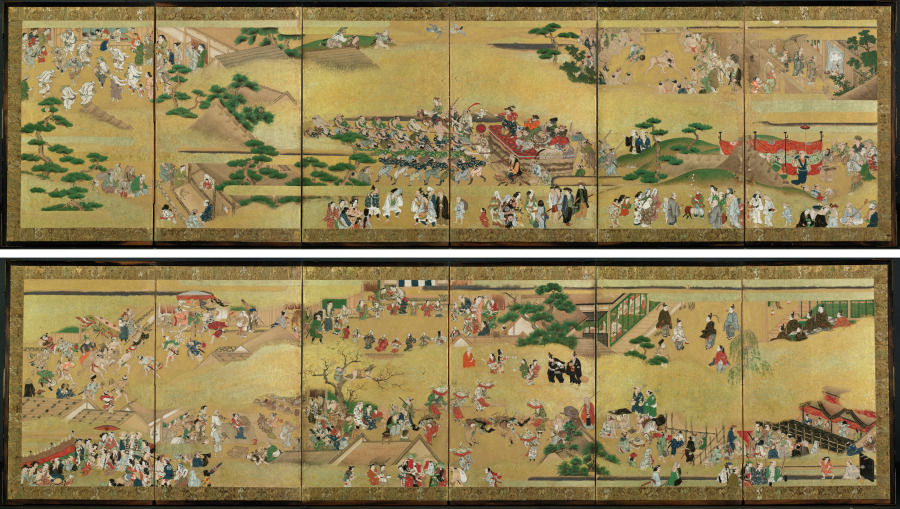
Festival Scenes
Unrecorded maker
1615–99 · Painting, pair of six-panel folding screens; ink, color, gold, and gold leaf on paper
Cleared · CC0
live1. Pin the work
Choose the record and say what you are actually going to do with it. The product re-reads the work live and stores a snapshot, so your docket records what the institution said today.
2. Read the arithmetic
Six weighted factors: the institution's own claim, the creator's term, the publication-age rule, the restrictions in their statement, your use, and whether a credit line is even possible.
3. Seal and export
Record the decision into a SHA-384 chain, then export a dated docket as JSON, CSV or Markdown with the credit line and the seal a colleague can re-verify.