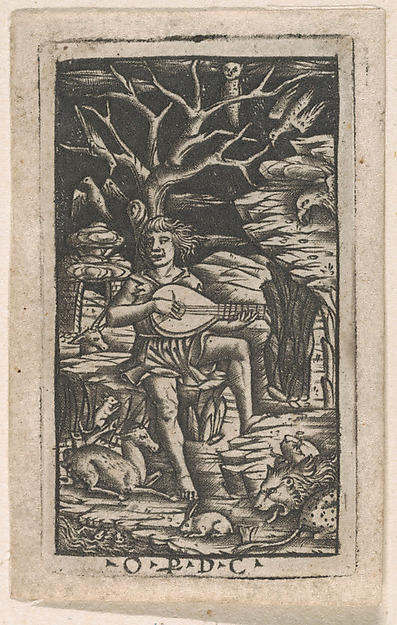
Orpheus seated playing his lyre, and charming the animals
Peregrino da Cesena (d. 1520)
ca. 1500–20 · Niello print (in the manner of nielli)
Cleared · Public Domain
liveThe MetSimilar
Rights clearance desk for images
Museums publish two different things about the same artwork: whether the work is in copyright, and whether their picture of it is. OpenPlate reads both, does the arithmetic on the published term, and shows you the sentence behind every point of the score.
Where this page got its records
427 ms. The Metropolitan Museum of Art, Collection API (Open Access)
455 ms. The Cleveland Museum of Art, Open Access API
2 of 2 providers answered live. 770 matching records exist across the two collections.
Institutions answered newest-first by record, interleaved
Orpheus seated playing his lyre, and charming the animals
Peregrino da Cesena (d. 1520)
ca. 1500–20 · Niello print (in the manner of nielli)
Cleared · Public Domain
live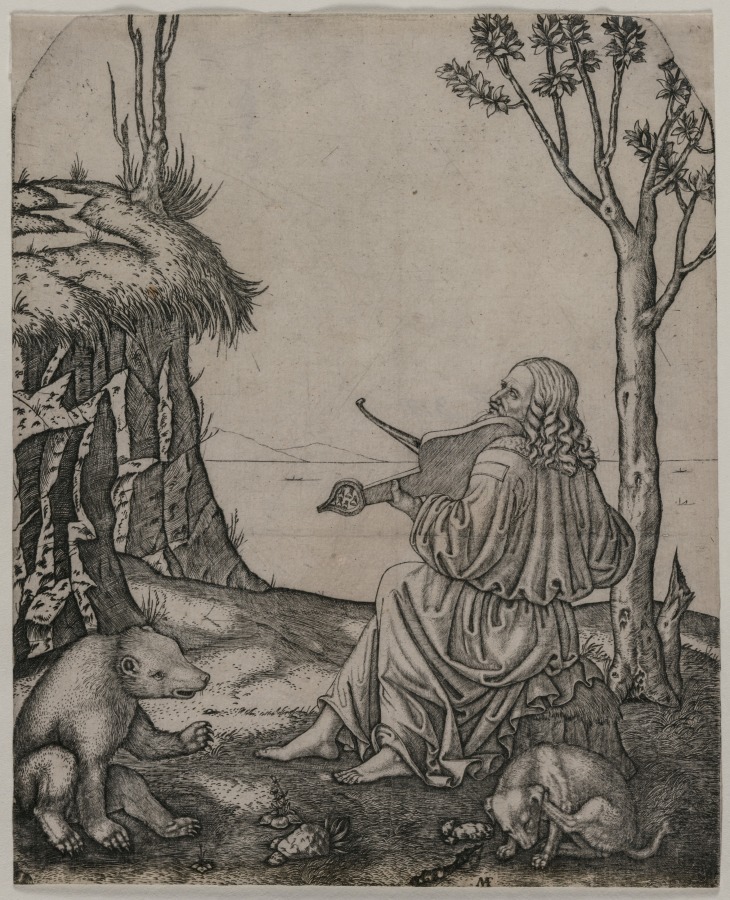
Orpheus Charming the Animals
Marcantonio Raimondi
c. 1505 · Print, engraving
Cleared · CC0
live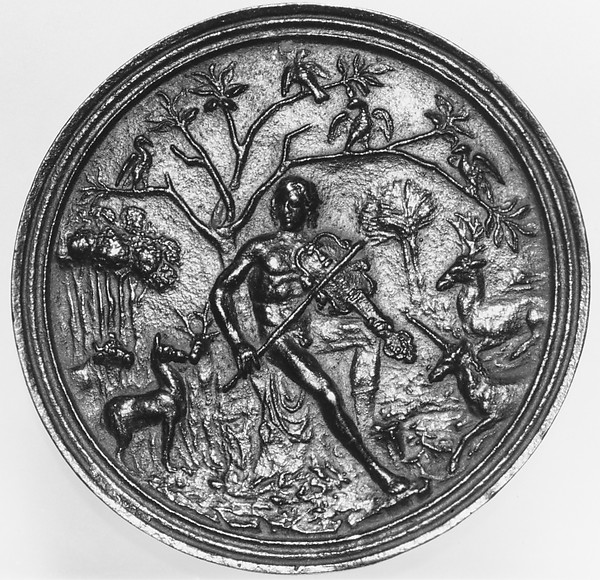
Orpheus Playing to the Animals
Orpheus Master (d. 1550)
early 16th century · Bronze
Cleared · Public Domain
live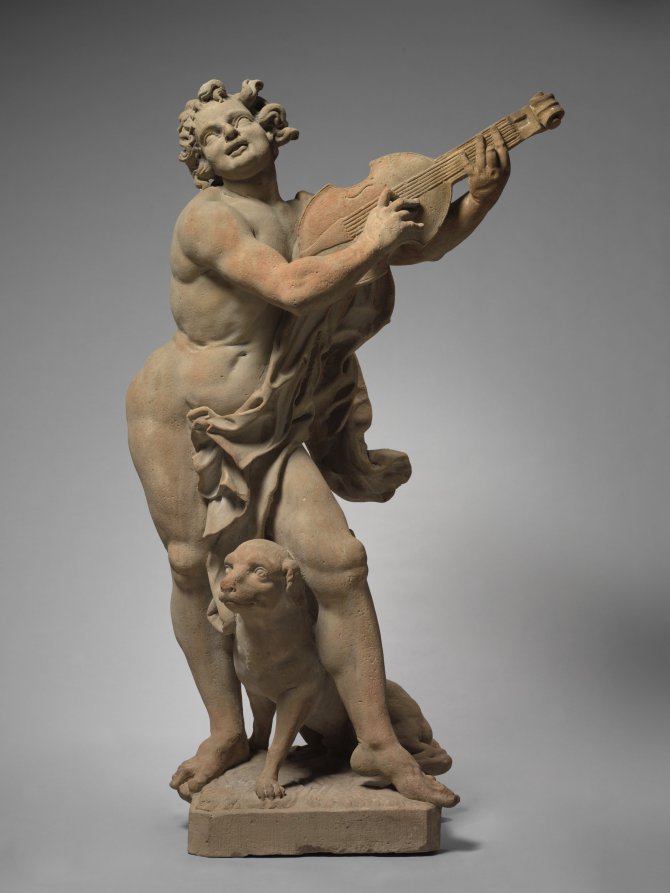
Orpheus and Cerberus
Ferdinand Tietz (d. 1777)
c. 1765 · Sculpture, sandstone
Cleared · CC0
live
Orpheus Playing to the Animals
Anonymous, German, 16th century (d. 1600)
ca. 1520 · Pen and black ink
Cleared · Public Domain
live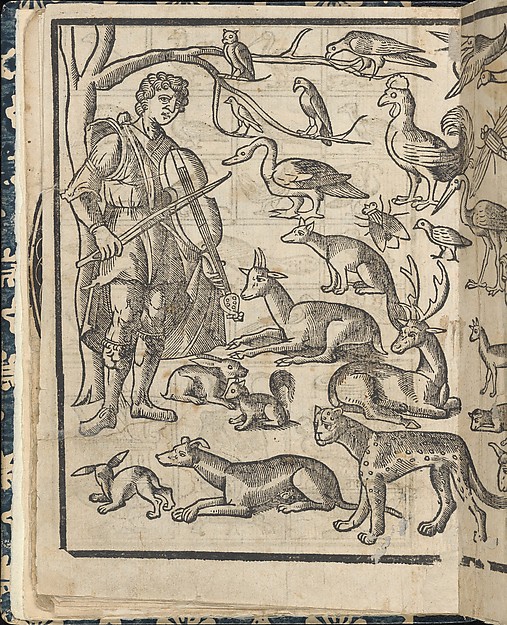
Essempio di recammi, page 12 (verso)
Giovanni Antonio Tagliente (d. 1528)
1530 · Woodcut
Cleared · Public Domain
live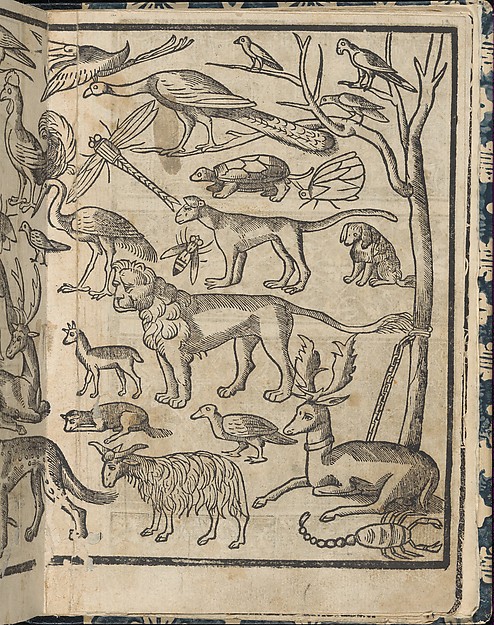
Essempio di recammi, page 13 (recto)
Giovanni Antonio Tagliente (d. 1528)
1530 · Woodcut
Cleared · Public Domain
live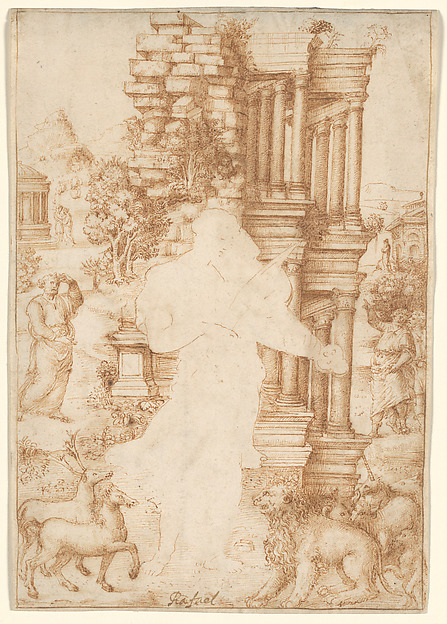
Orpheus
Italian
early 16th century · Pen and brown ink
Cleared · Public Domain
live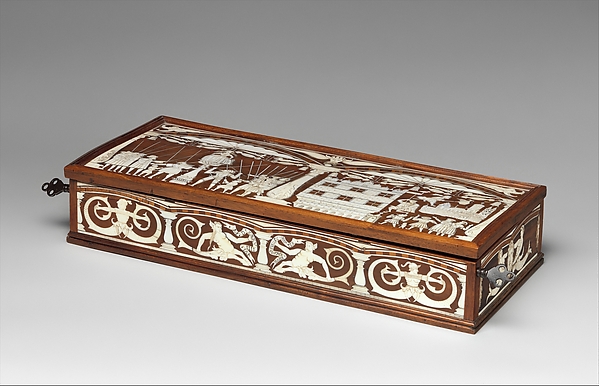
Box For Crossbow Bolts (<i>Bolzenkasten</i>), Probably Made for William IV, Duke of Bavaria (r. 1508–50)
Hans Wagner the Elder (d. 1556)
dated 1539 · Wood (lid and front panel: fruitwood, possibly pear; bottom: walnut; inlay: possibly sycamore; later repairs: mahogany moldings and Indian rosewood veneers on sides), staghorn, iron, gold, paste, paper
Cleared · Public Domain
live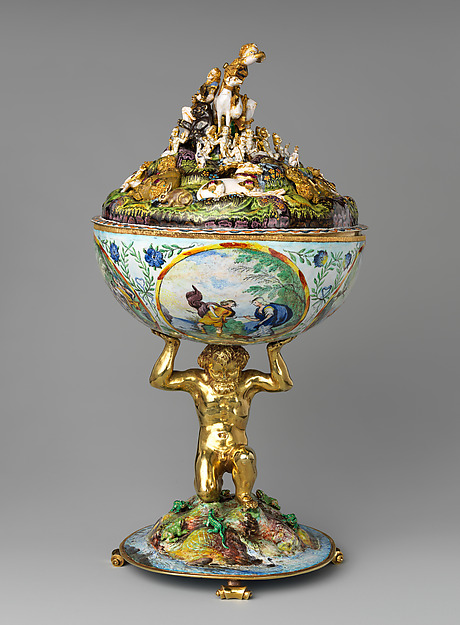
The Orpheus Cup
Jan Vermeyen (d. 1608)
1641–42, the jeweled elements on the lid in the form of animals, amorini holding bow and quiver, and the statuettes of Orpheus and Diana, Prague, ca.1600 · Gold: cast, embossed, and engraved; enamel: ronde-bosse and painted; rubies
Cleared · Public Domain
live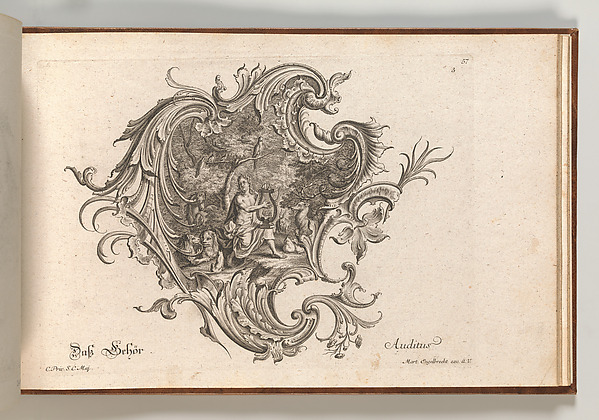
Design for a Cartouche and Representation of Hearing, plate 3 from "Neu Inventierte auf die artigste Facon Sehr nutzliche Schild"
Johann Georg Pintz
printed ca. 1750–56 · Etching
Cleared · Public Domain
live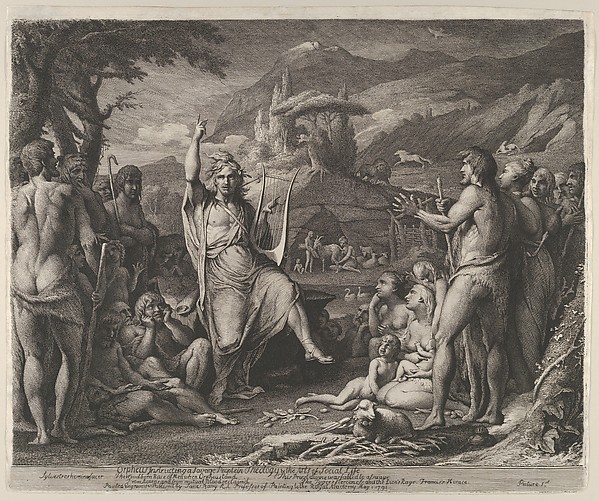
Orpheus Instructing a Savage People in Theology and the Arts of Social Life
James Barry (d. 1806)
plate dated May 1, 1791, issued 1792 · Etching and engraving; second state of three
Cleared · Public Domain
live1. Pin the work
Choose the record and say what you are actually going to do with it. The product re-reads the work live and stores a snapshot, so your docket records what the institution said today.
2. Read the arithmetic
Six weighted factors: the institution's own claim, the creator's term, the publication-age rule, the restrictions in their statement, your use, and whether a credit line is even possible.
3. Seal and export
Record the decision into a SHA-384 chain, then export a dated docket as JSON, CSV or Markdown with the credit line and the seal a colleague can re-verify.