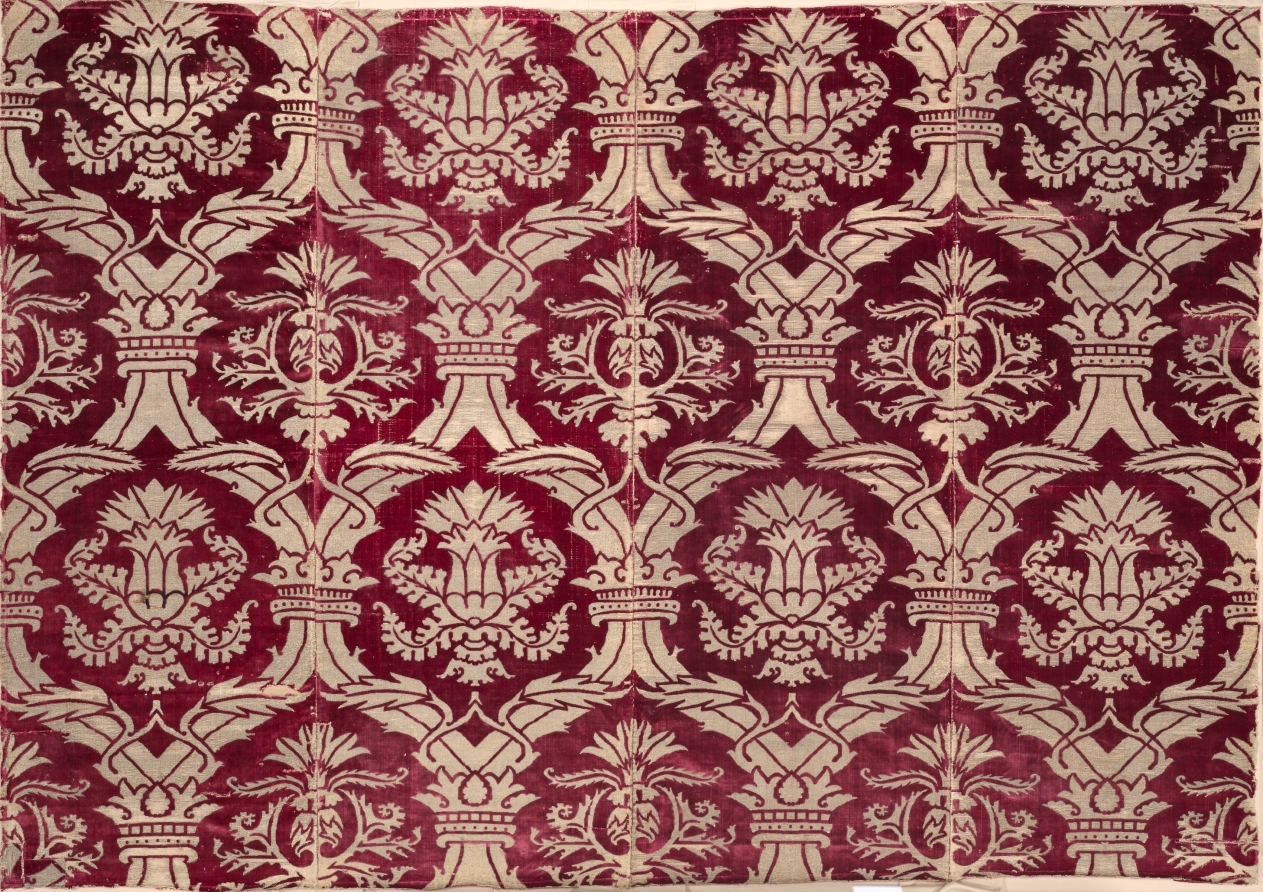
Brocaded Velvet Panel with Italianate Pattern
Unrecorded maker
1575–1625 · Velvet, Silk: velvet, brocaded; gilt-metal thread and cotton
Cleared · CC0
liveCleveland Museum of ArtSimilar
Rights clearance desk for images
Museums publish two different things about the same artwork: whether the work is in copyright, and whether their picture of it is. OpenPlate reads both, does the arithmetic on the published term, and shows you the sentence behind every point of the score.
Where this page got its records
The Metropolitan Museum of Art did not answer: met answered HTTP 403
341 ms. The Cleveland Museum of Art, Open Access API
1 of 2 providers answered live. 20 matching records exist across the two collections.
Institutions answered newest-first by record, interleaved
Brocaded Velvet Panel with Italianate Pattern
Unrecorded maker
1575–1625 · Velvet, Silk: velvet, brocaded; gilt-metal thread and cotton
Cleared · CC0
live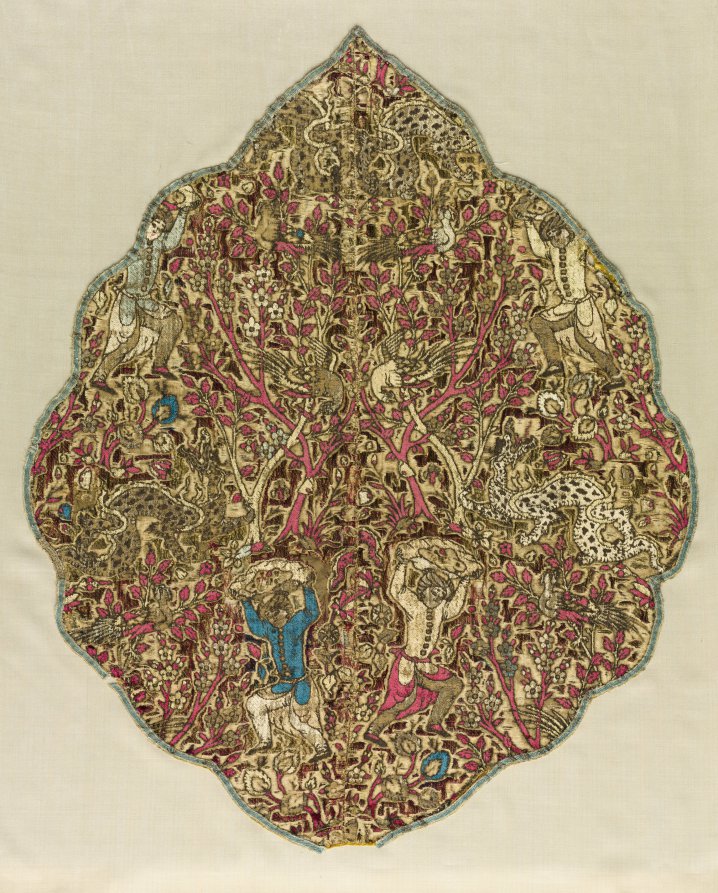
Tent panel of a dragon slayer
Unrecorded maker
1550–99 · Velvet, velvet, cut, voided, brocaded, and pile-warp substitution: silk and gilt-metal strips
Cleared · CC0
live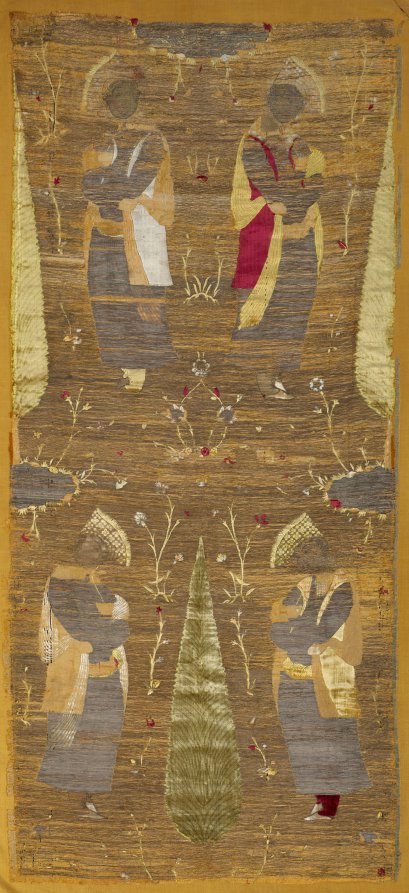
Velvet panel with four youths smelling flowers
Unrecorded maker
1625–50 · Velvet, Silk: velvet, brocaded, and pile-warp substitution; gilt- and silver-metal thread
Cleared · CC0
live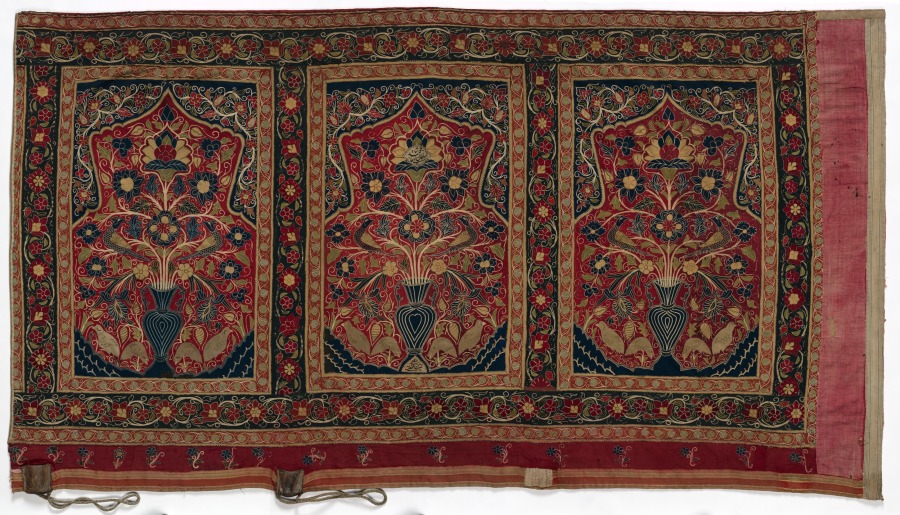
Royal Round Tent made for Muhammad Shah (wall panel with three design units)
Unrecorded maker
1834–48 · Textile, Interior: wool: plain weave, inlaid work; silk: embroidery, chain stitch; tape, leather; Exterior: cotton, wool: plain weave; rope, iron ring
Cleared · CC0
live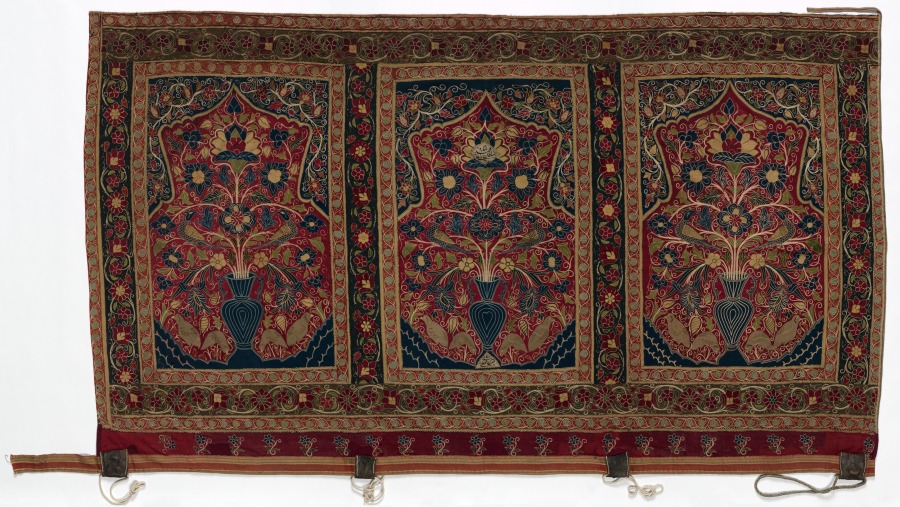
Royal Round Tent made for Muhammad Shah (wall panel with three design units)
Unrecorded maker
1834–48 · Textile, Wool with silk embroidery (chain stitch), rope, cotton, leather, tape; Rasht work
Cleared · CC0
live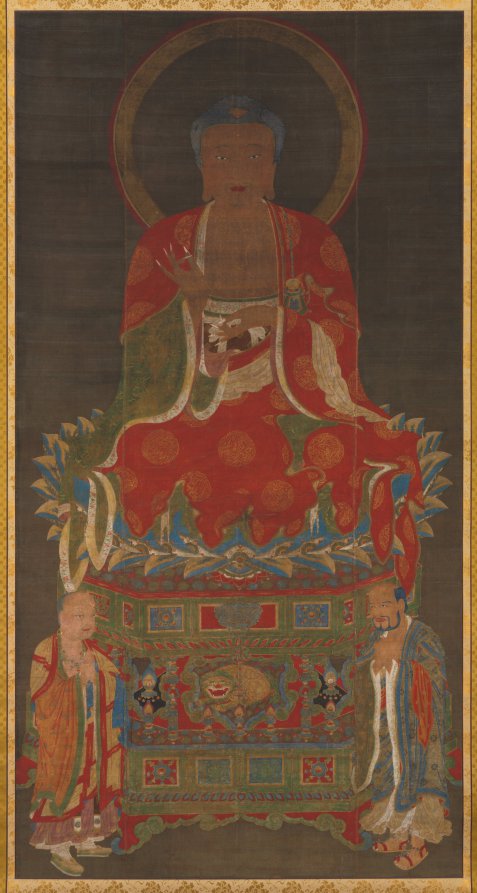
Shakyamuni with two attendants
Unrecorded maker
1300s · Painting, Hanging scroll; ink, color, and gold on silk
Cleared · CC0
live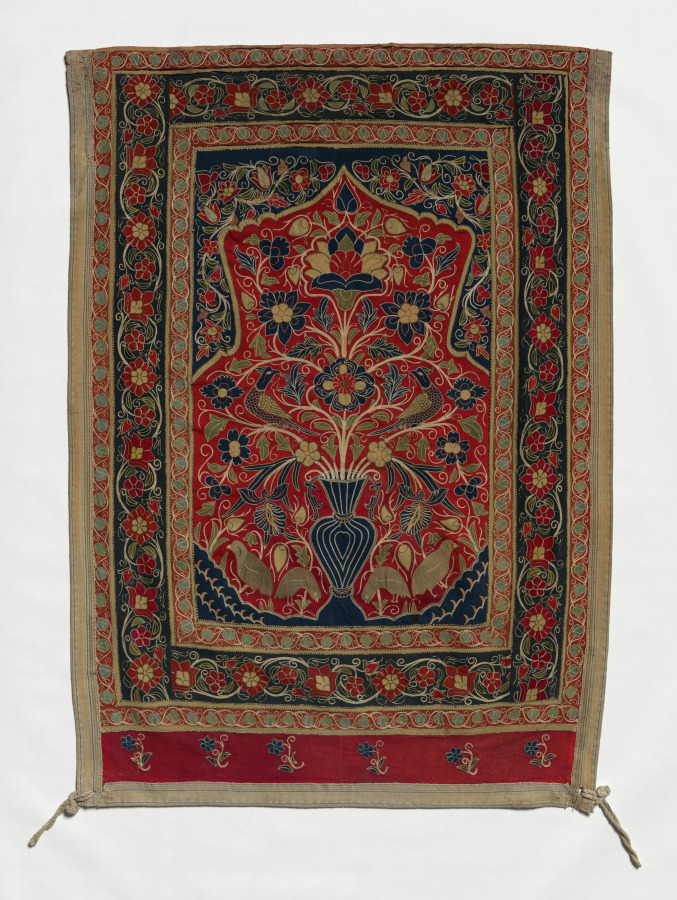
Royal Round Tent made for Muhammad Shah (wall panel with one design unit)
Unrecorded maker
1834–48 · Textile, Interior: wool: plain weave, inlaid work; silk: embroidery, chain stitch; tape, leather; Exterior: cotton, wool: plain weave; rope, iron ring
Cleared · CC0
live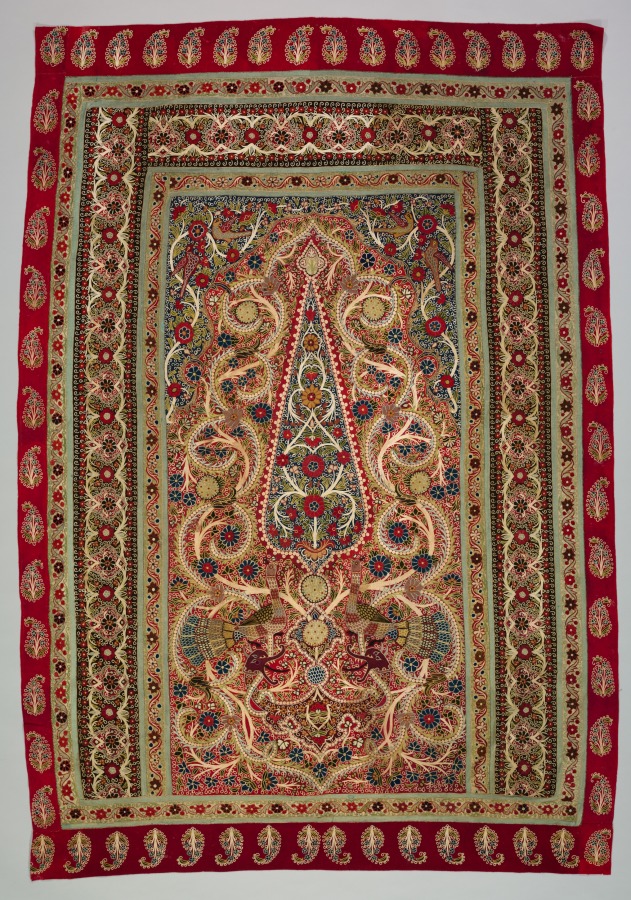
Tent Wall Panel(?)
Unrecorded maker
1800s · Embroidery, Wool: inlaid work; silk: embroidery, chain stitch
Cleared · CC0
live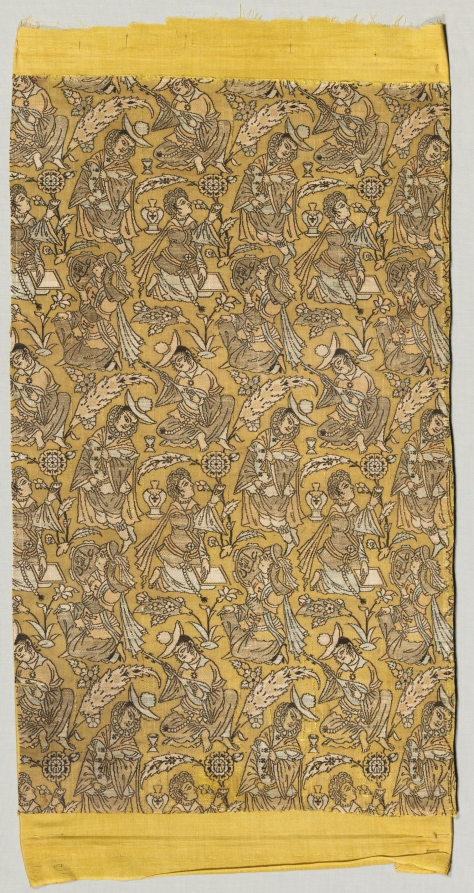
Lampas with dancers and musicians
Unrecorded maker
1600–1650 · Textile, silk and silver-metal thread: lampas, brocaded
Cleared · CC0
live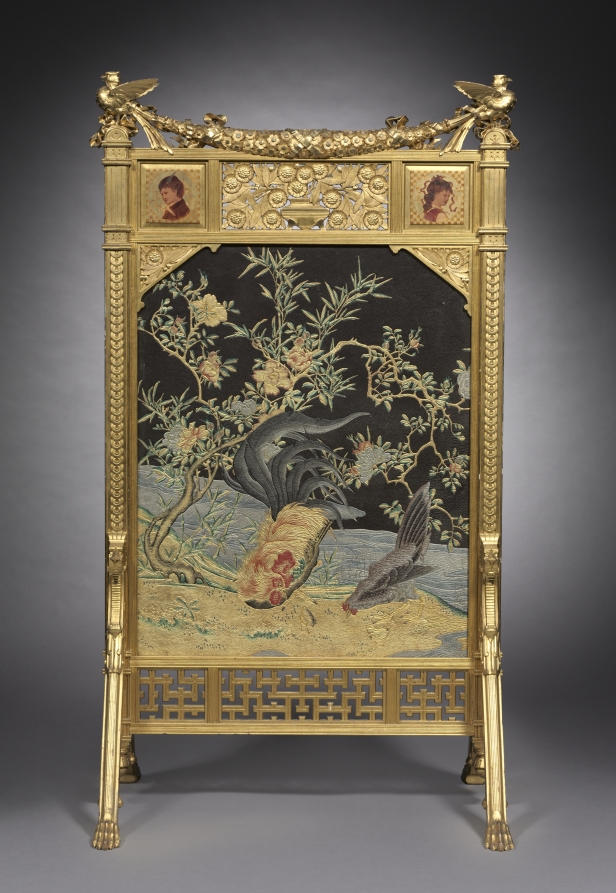
Fire Screen
Herter Brothers
c. 1878–80 · Furniture and woodwork, gilded wood, painted and gilded wood panels, brocaded silk, embossed paper
Cleared · CC0
live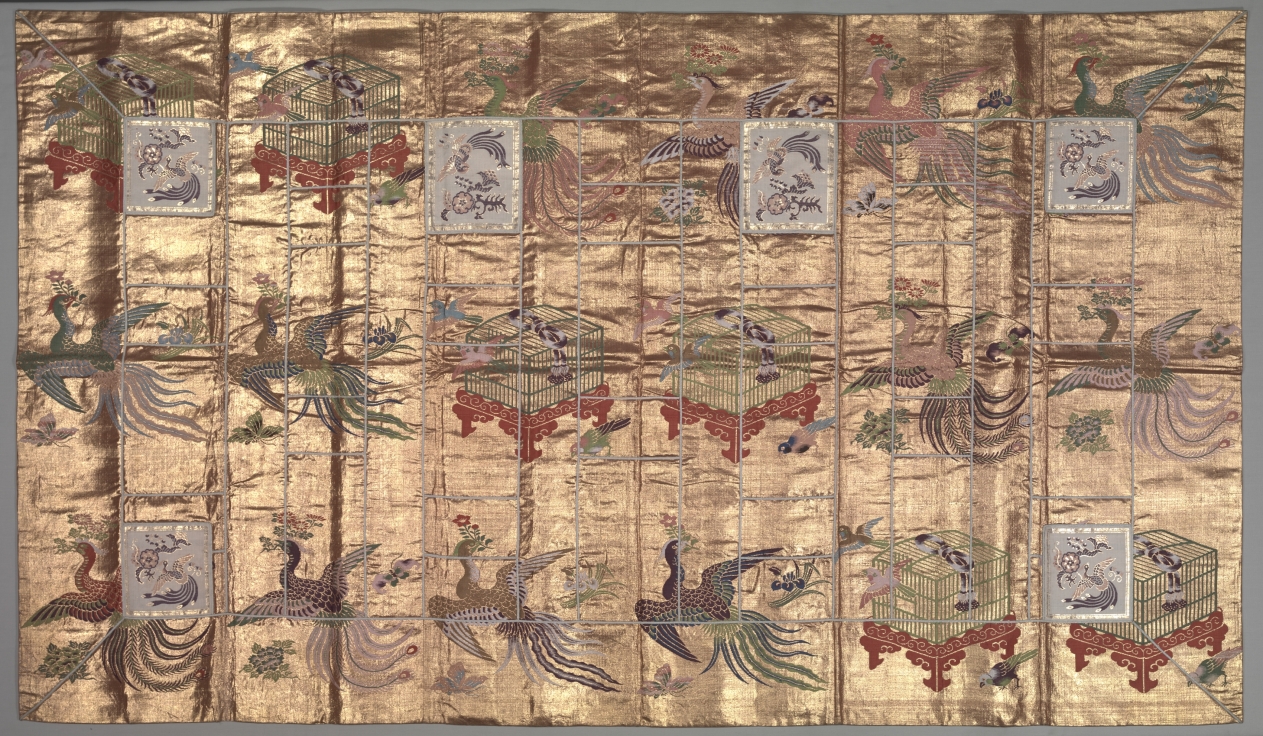
Buddhist Vestment (Kesa)
Unrecorded maker
early 1900s · Garment, silk with supplementary weft, brocaded; metal thread
Cleared · CC0
live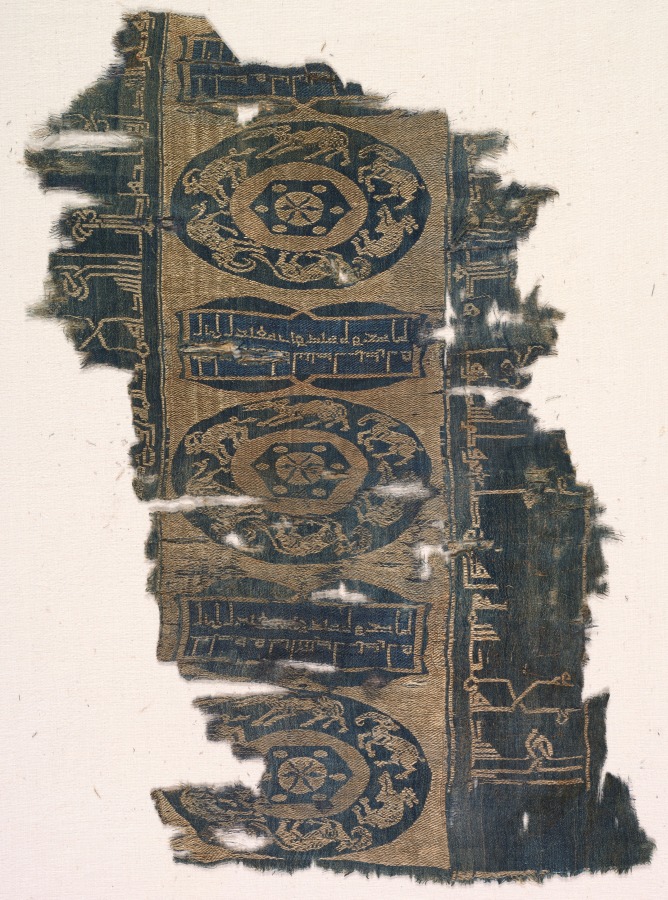
Fragment with running animal roundels and kufic inscriptions
Unrecorded maker
1530–1950 (radiocarbon date, 95% probability) · Textile, Silk: lampas weave, brocaded
Cleared · CC0
live1. Pin the work
Choose the record and say what you are actually going to do with it. The product re-reads the work live and stores a snapshot, so your docket records what the institution said today.
2. Read the arithmetic
Six weighted factors: the institution's own claim, the creator's term, the publication-age rule, the restrictions in their statement, your use, and whether a credit line is even possible.
3. Seal and export
Record the decision into a SHA-384 chain, then export a dated docket as JSON, CSV or Markdown with the credit line and the seal a colleague can re-verify.