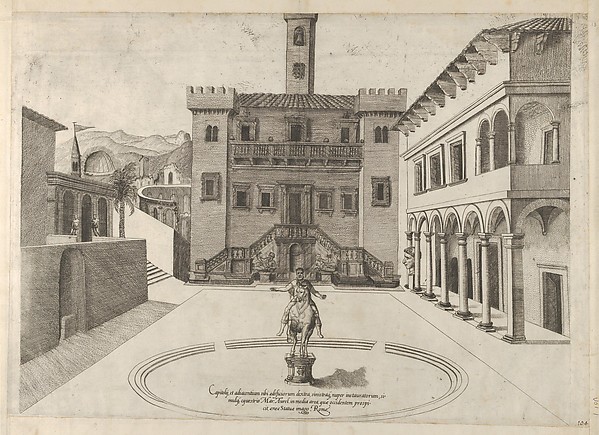
View of the Capitoline Hill during Michelangelo's restoration, the equestrian monument of Marcus Aurelius in the center, from "Speculum Romanae Magnificentiae"
Anonymous
ca. 1561–63 · Etching and engraving
Cleared · Public Domain
liveThe MetSimilar
Rights clearance desk for images
Museums publish two different things about the same artwork: whether the work is in copyright, and whether their picture of it is. OpenPlate reads both, does the arithmetic on the published term, and shows you the sentence behind every point of the score.
Where this page got its records
252 ms. The Metropolitan Museum of Art, Collection API (Open Access)
429 ms. The Cleveland Museum of Art, Open Access API
2 of 2 providers answered live. 12 matching records exist across the two collections.
Institutions answered newest-first by record, interleaved
View of the Capitoline Hill during Michelangelo's restoration, the equestrian monument of Marcus Aurelius in the center, from "Speculum Romanae Magnificentiae"
Anonymous
ca. 1561–63 · Etching and engraving
Cleared · Public Domain
live
View of the Campidoglio as re-designed by Michelangelo, from "Speculum Romanae Magnificentiae"
Etienne DuPérac (d. 1604)
1569 · Etching and engraving
Cleared · Public Domain
live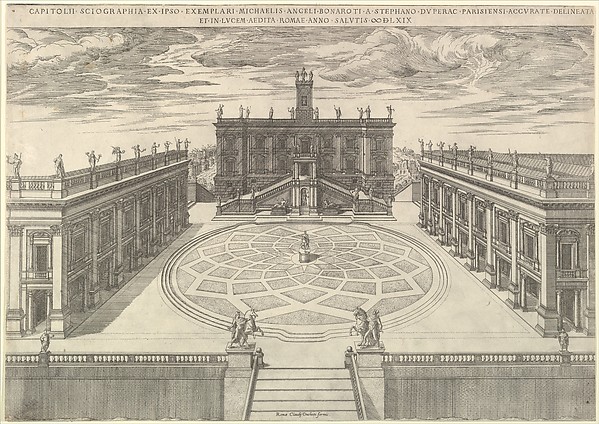
View of the Roman Capitol, from "Speculum Romanae Magnificentiae"
Etienne DuPérac (d. 1604)
1569 · Etching; second state of two
Cleared · Public Domain
live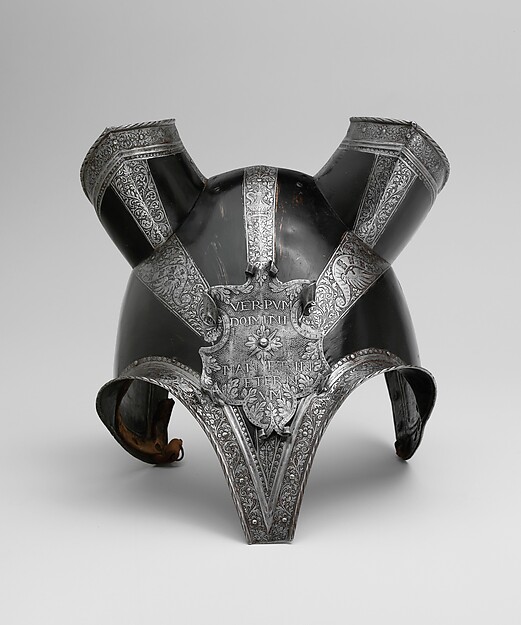
Half-Shaffron (Horse's Head Defense)
Unrecorded maker
ca. 1553 · Steel, leather
Cleared · Public Domain
live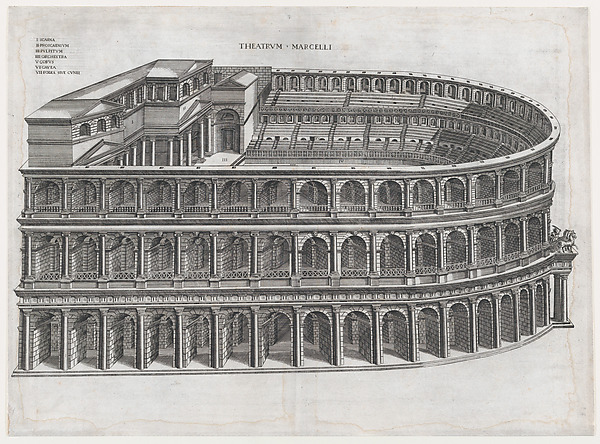
Theater of Marcellus, from "Speculum Romanae Magnificentiae"
Anonymous
16th century · Engraving
Cleared · Public Domain
live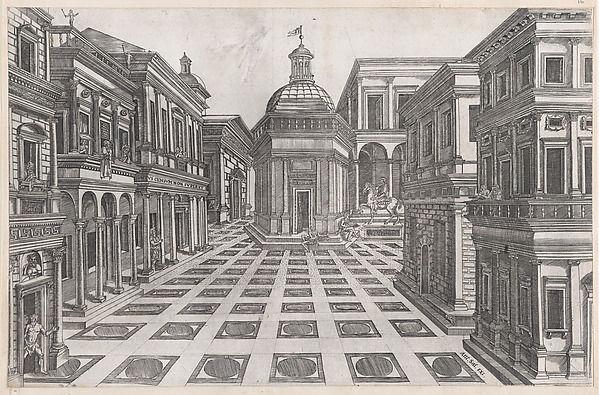
View of Buildings Adjoining the Capitol, from "Speculum Romanae Magnificentiae"
Anonymous
16th century · Engraving
Cleared · Public Domain
live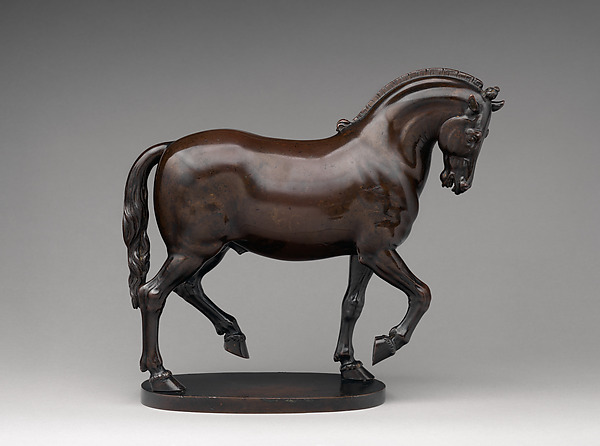
Trotting horse
Giambologna (d. 1608)
probably 1587–91 · Bronze
Cleared · Public Domain
live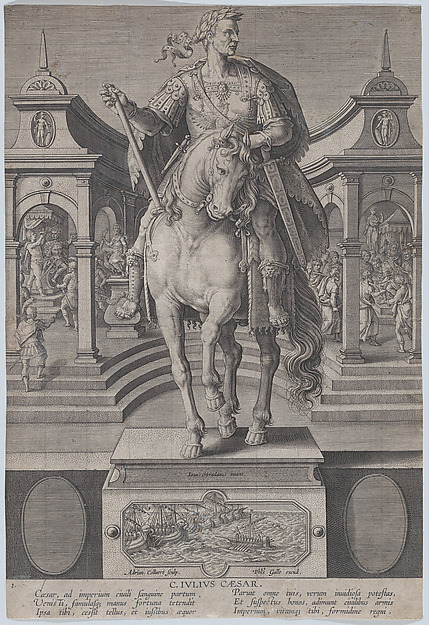
Plate 1: equestrian statue of Julius Caesar, seen from the front, with a scene of a naval battle on pedestal below, from 'Roman Emperors on Horseback'
Adriaen Collaert (d. 1618)
ca. 1587–89 · Engraving; first state of two
Cleared · Public Domain
live
Francesco I de' Medici, grand duke of Tuscany
Giambologna (d. 1608)
modeled 1585–87, cast ca. 1611 · Bronze
Cleared · Public Domain
live
Nécessaire with watch
Unrecorded maker
probably ca. 1745–50 · Casket: gold and mother-of-pearl, lined with dark-red velvet; Watch: brass and partly blued steel
Cleared · Public Domain
live![Allgemeines historisches Taschenbuch, oder Abriss der merkwürdigsten neuen Welt-Begebenheiten: enthaltend für 1784 die Geschichte der Revolution von Nord-America [General historical pocketbook, summarizing noteworthy world news of 1784, with a History of the Revolution in North America] by Matthias Christian Sprengel, The Metropolitan Museum of Art](https://images.metmuseum.org/CRDImages/dp/web-large/DP-12996-01.jpg)
Allgemeines historisches Taschenbuch, oder Abriss der merkwürdigsten neuen Welt-Begebenheiten: enthaltend für 1784 die Geschichte der Revolution von Nord-America [General historical pocketbook, summarizing noteworthy world news of 1784, with a History of the Revolution in North America]
Matthias Christian Sprengel (d. 1803)
1784–87 · Illustrations: etching and engraving, some hand-colored; pen and ink and wash drawings
Cleared · Public Domain
live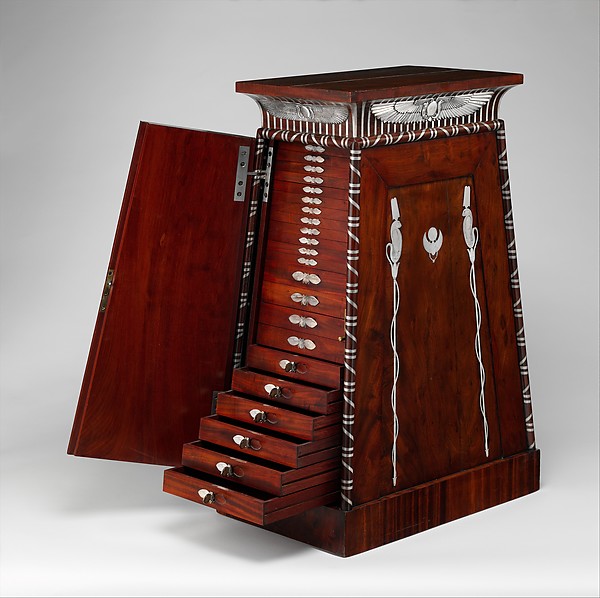
Coin cabinet
Charles Percier (d. 1838)
ca. 1809–19 · Mahogany (probably Swietenia mahagoni), applied and inlaid silver
Cleared · Public Domain
live1. Pin the work
Choose the record and say what you are actually going to do with it. The product re-reads the work live and stores a snapshot, so your docket records what the institution said today.
2. Read the arithmetic
Six weighted factors: the institution's own claim, the creator's term, the publication-age rule, the restrictions in their statement, your use, and whether a credit line is even possible.
3. Seal and export
Record the decision into a SHA-384 chain, then export a dated docket as JSON, CSV or Markdown with the credit line and the seal a colleague can re-verify.