
Colossal Seated Statue of Amenhotep III, reworked, reinscribed by Merneptah
Unrecorded maker
ca. 1386–1347 BCE · Porphyritic diorite
Cleared · Public Domain
liveThe MetSimilar
Rights clearance desk for images
Museums publish two different things about the same artwork: whether the work is in copyright, and whether their picture of it is. OpenPlate reads both, does the arithmetic on the published term, and shows you the sentence behind every point of the score.
Where this page got its records
376 ms. The Metropolitan Museum of Art, Collection API (Open Access)
354 ms. The Cleveland Museum of Art, Open Access API
2 of 2 providers answered live. 16 matching records exist across the two collections.
Institutions answered newest-first by record, interleaved
Colossal Seated Statue of Amenhotep III, reworked, reinscribed by Merneptah
Unrecorded maker
ca. 1386–1347 BCE · Porphyritic diorite
Cleared · Public Domain
live
Colossal Statue of Amenhotep III, reworked, reinscribed by Merneptah
Unrecorded maker
ca. 1386–1347 BCE · Porphyritic diorite
Cleared · Public Domain
live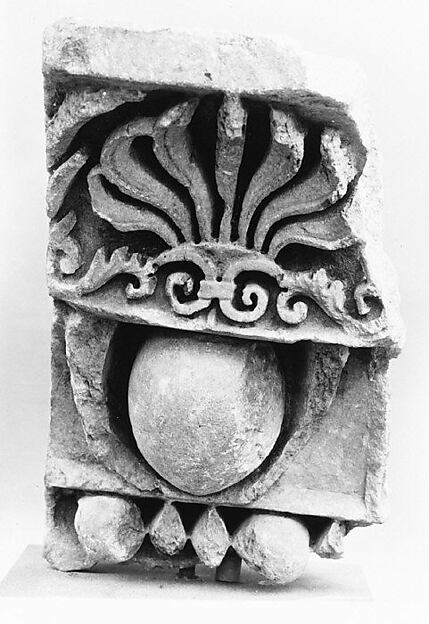
Marble molding fragment from the Temple of Artemis at Sardis
Unrecorded maker
ca. 117–138 CE · Marble
Cleared · Public Domain
live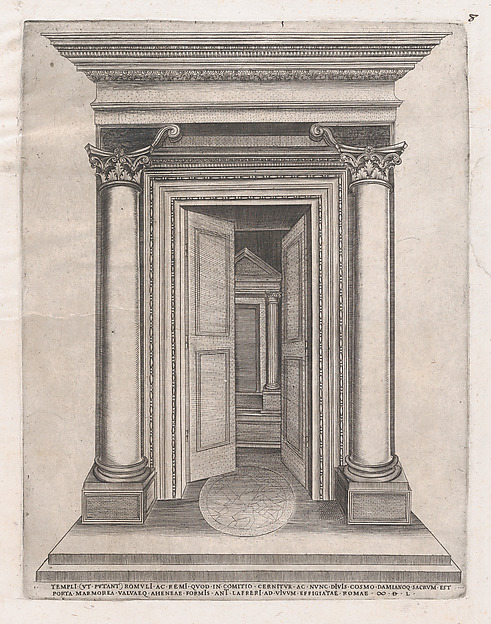
Portico of the Temple of Romulus, from "Speculum Romanae Magnificentiae"
Anonymous
16th century · Engraving
Cleared · Public Domain
live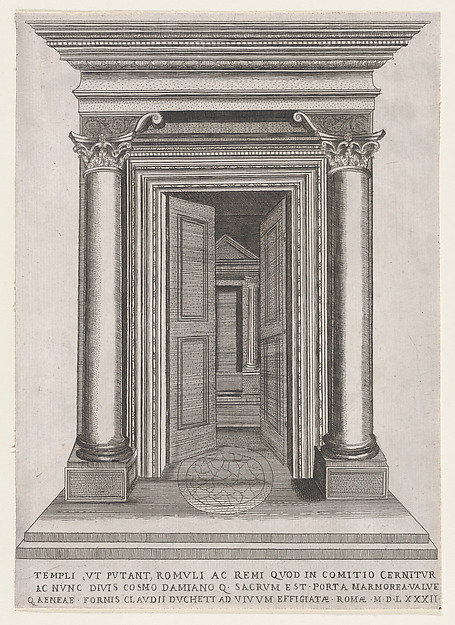
Portal of the Temple of Romulus and Remus, from "Speculum Romanae Magnificentiae"
Anonymous
1582 · Engraving
Cleared · Public Domain
live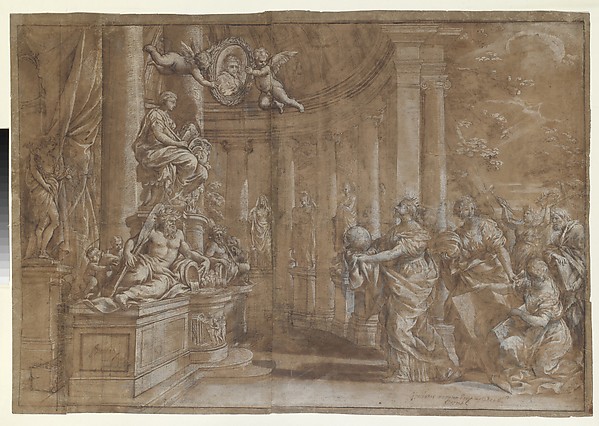
Design for a Thesis Print with an Allegory of Knowledge and Portrait of Cardinal Antonio Barberini the Younger (1607–1671)
Pietro da Cortona (Pietro Berrettini) (d. 1669)
ca. 1635 · Pen and brown ink, brush and brown wash, highlighted with white, over black chalk, on brown paper
Cleared · Public Domain
live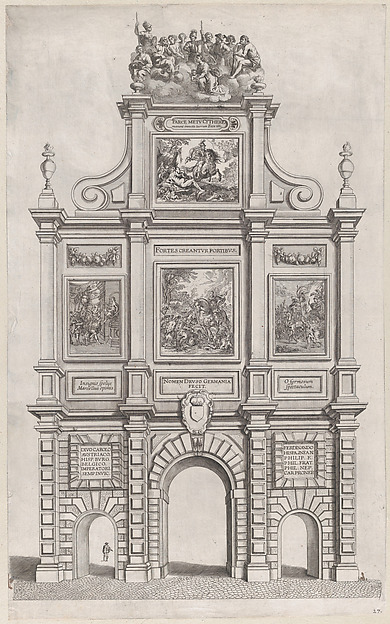
Plate 27: Triumphal arch, elevation of the back, surmounted by allegorical figures and decorated with scenes from Roman mythology and history; from Guillielmus Becanus's 'Serenissimi Principis Ferdinandi, Hispaniarum Infantis...'
Johannes Meursius (d. 1699)
1636 · Engraving
Cleared · Public Domain
live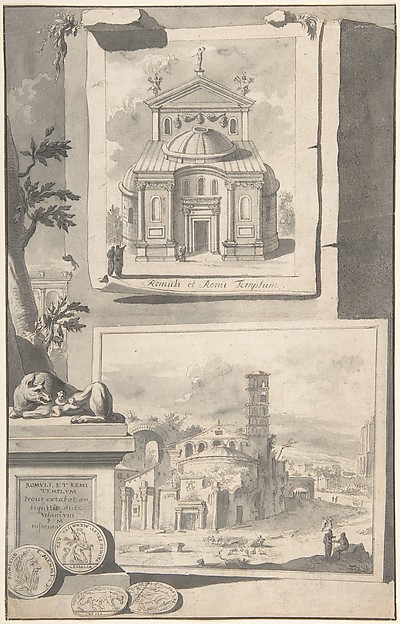
A Reconstruction of the Temple of Romulus and Remus (above) and a View of the Ruins (below)
Jan Goeree (d. 1731)
before 1704 · Pen and black ink, brush and gray wash, traces of red chalk
Cleared · Public Domain
live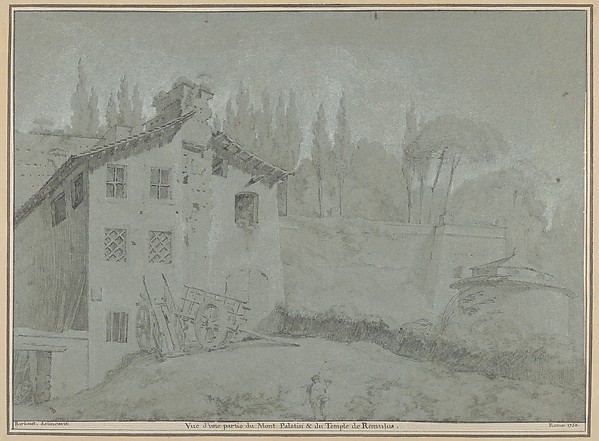
View of the Palatine Hill and the Temple of Romulus
Jean Barbault (d. 1762)
1750 · Black and white chalk
Cleared · Public Domain
live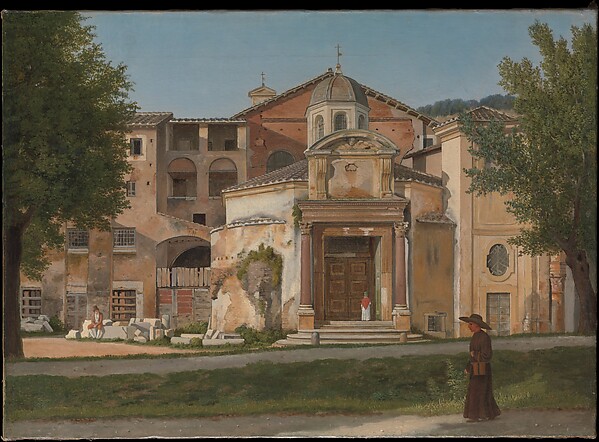
A Section of the Via Sacra, Rome (The Church of Saints Cosmas and Damian)
Christoffer Wilhelm Eckersberg (d. 1853)
ca. 1814–15 · Oil on canvas
Cleared · Public Domain
liveNo open reproduction
The institution withholds the image for this record, which is itself the answer: the picture on their page is not theirs to give away.
The Altar of Jupiter in the Oldest Temple on the Capital, from "Italian Sixteenth Century Arches and Portals and Altars - Veneziano and Others"
Agostino Veneziano (Agostino dei Musi) (d. 1536)
ca. 1514–36 · Engraving
In copyright
liveNo open reproduction
The institution withholds the image for this record, which is itself the answer: the picture on their page is not theirs to give away.
Restes du Portique du Temple de Jupiter Stator, from "Les Plus Beaux Monuments de Rome Ancienne ou Recueil des plus beaux Morceaux de l'Antiquité Romaine qui existent encore"
Jean Barbault (d. 1762)
1761 · Etching
In copyright
live1. Pin the work
Choose the record and say what you are actually going to do with it. The product re-reads the work live and stores a snapshot, so your docket records what the institution said today.
2. Read the arithmetic
Six weighted factors: the institution's own claim, the creator's term, the publication-age rule, the restrictions in their statement, your use, and whether a credit line is even possible.
3. Seal and export
Record the decision into a SHA-384 chain, then export a dated docket as JSON, CSV or Markdown with the credit line and the seal a colleague can re-verify.