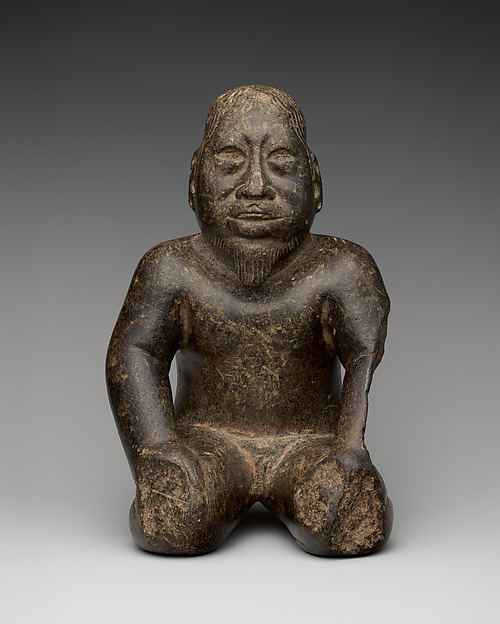
Kneeling bearded figure
Olmec artist(s)
900–400 BCE · Serpentine, pigment
Cleared · Public Domain
liveThe MetSimilar
Rights clearance desk for images
Museums publish two different things about the same artwork: whether the work is in copyright, and whether their picture of it is. OpenPlate reads both, does the arithmetic on the published term, and shows you the sentence behind every point of the score.
Where this page got its records
230 ms. The Metropolitan Museum of Art, Collection API (Open Access)
275 ms. The Cleveland Museum of Art, Open Access API
2 of 2 providers answered live. 151 matching records exist across the two collections.
Institutions answered newest-first by record, interleaved
Kneeling bearded figure
Olmec artist(s)
900–400 BCE · Serpentine, pigment
Cleared · Public Domain
live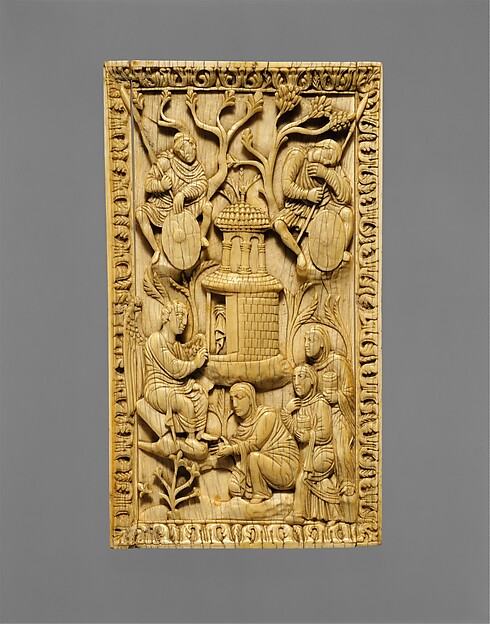
Plaque with the Holy Women at the Sepulchre
Unrecorded maker
early 10th century · Elephant ivory
Cleared · Public Domain
live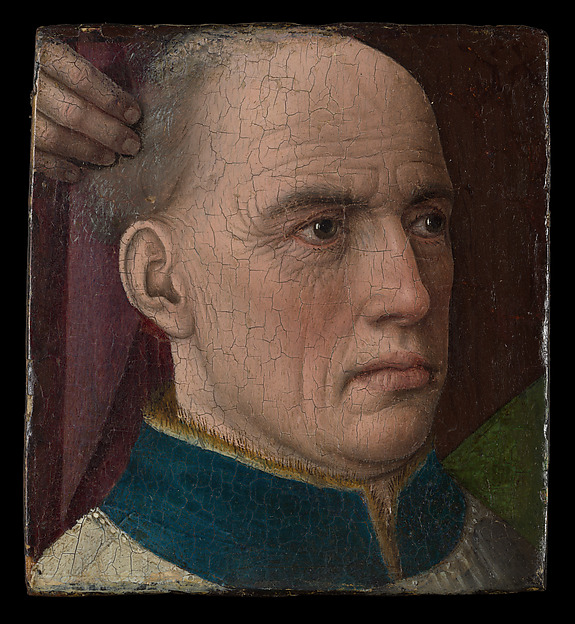
Head of a Donor
Albert van Ouwater (d. 1475)
ca. 1465–70 · Oil on wood
Cleared · Public Domain
live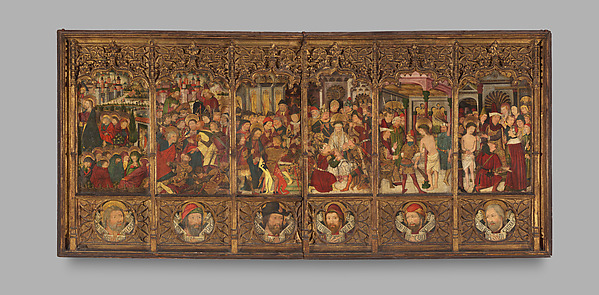
Altarpiece (retablo) with Scenes from the Passion
Master Morata (d. 1505)
second half 15th century · Tempera and gold on wood
Cleared · Public Domain
live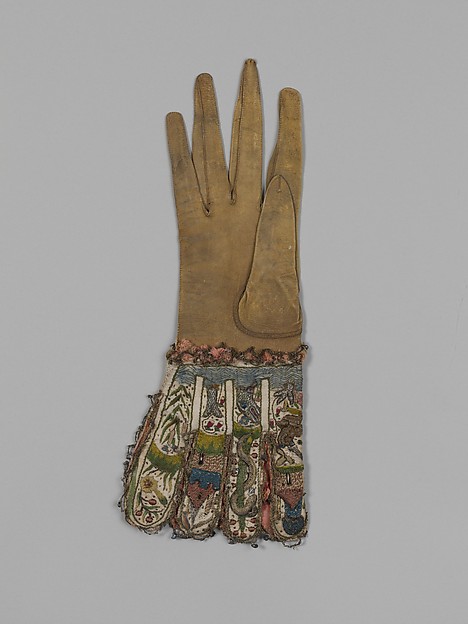
Glove
Unrecorded maker
ca. 1600 · Leather, silk and metal thread on cloth, sequins and lace
Cleared · Public Domain
live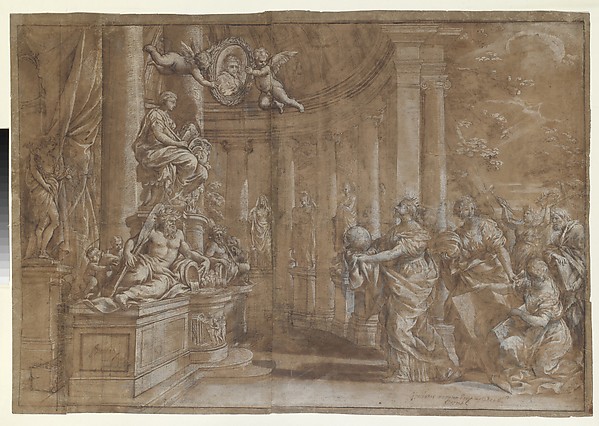
Design for a Thesis Print with an Allegory of Knowledge and Portrait of Cardinal Antonio Barberini the Younger (1607–1671)
Pietro da Cortona (Pietro Berrettini) (d. 1669)
ca. 1635 · Pen and brown ink, brush and brown wash, highlighted with white, over black chalk, on brown paper
Cleared · Public Domain
live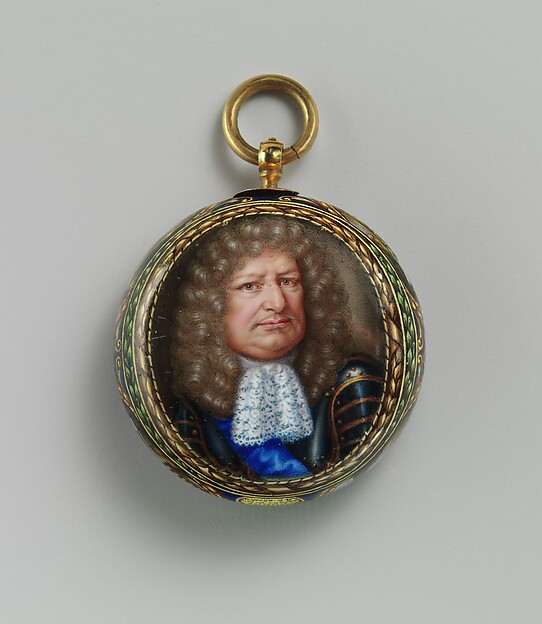
Watch with portrait of Friedrick Wilhelm, the Great Elector
Johann G. Racine (d. 1748)
case ca. 1688, movement ca. 1750 · Case: painted enamel on gold; Movement: brass and steel
Cleared · Public Domain
live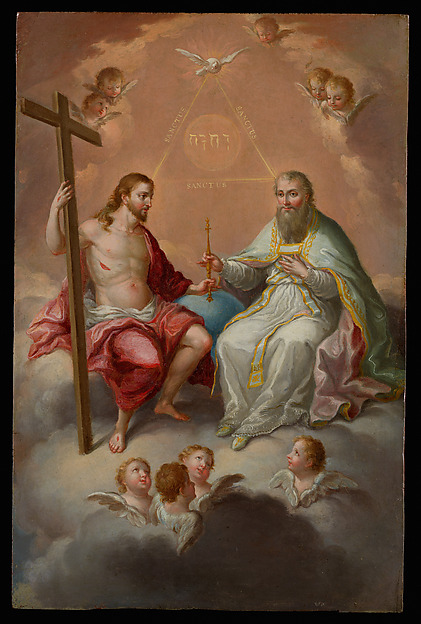
The Trinity
José Campeche (d. 1809)
ca. 1790 · Oil on wood panel
Cleared · Public Domain
live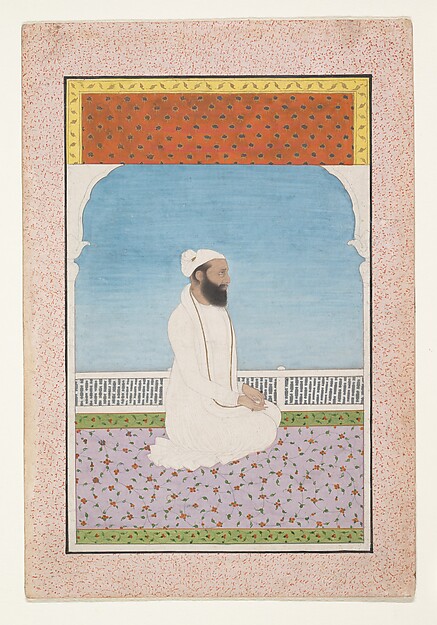
A Holy Man Seated on a Terrace
Unrecorded maker
ca. 1850 · Ink and opaque watercolor on paper
Cleared · Public Domain
liveNo open reproduction
The institution withholds the image for this record, which is itself the answer: the picture on their page is not theirs to give away.
Equestrian Portrait of Louis de Lorraine, Prince of Phalsbourg
Jacques Callot (d. 1635)
ca. 1624 · Brush and brown wash over black chalk; the outlines of the horse and rider are pricked for transfer and partially indented
In copyright
liveNo open reproduction
The institution withholds the image for this record, which is itself the answer: the picture on their page is not theirs to give away.
The sacrament of holy communion, with a priest giving the Host to a kneeling man; from 'The Seven Sacraments', after the series of paintings by Pietro Longhi
Marco Alvise Pitteri (d. 1786)
ca. 1740–80 · Etching
In copyright
live1. Pin the work
Choose the record and say what you are actually going to do with it. The product re-reads the work live and stores a snapshot, so your docket records what the institution said today.
2. Read the arithmetic
Six weighted factors: the institution's own claim, the creator's term, the publication-age rule, the restrictions in their statement, your use, and whether a credit line is even possible.
3. Seal and export
Record the decision into a SHA-384 chain, then export a dated docket as JSON, CSV or Markdown with the credit line and the seal a colleague can re-verify.