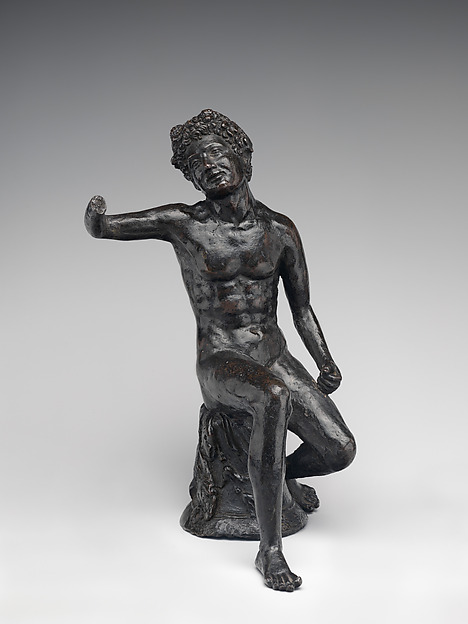
Seated Faun
Andrea Briosco, called Riccio (d. 1532)
ca. 1540–50 · Bronze
Cleared · Public Domain
liveThe MetSimilar
Rights clearance desk for images
Museums publish two different things about the same artwork: whether the work is in copyright, and whether their picture of it is. OpenPlate reads both, does the arithmetic on the published term, and shows you the sentence behind every point of the score.
Where this page got its records
717 ms. The Metropolitan Museum of Art, Collection API (Open Access)
546 ms. The Cleveland Museum of Art, Open Access API
2 of 2 providers answered live. 1,398 matching records exist across the two collections.
Institutions answered newest-first by record, interleaved
Seated Faun
Andrea Briosco, called Riccio (d. 1532)
ca. 1540–50 · Bronze
Cleared · Public Domain
live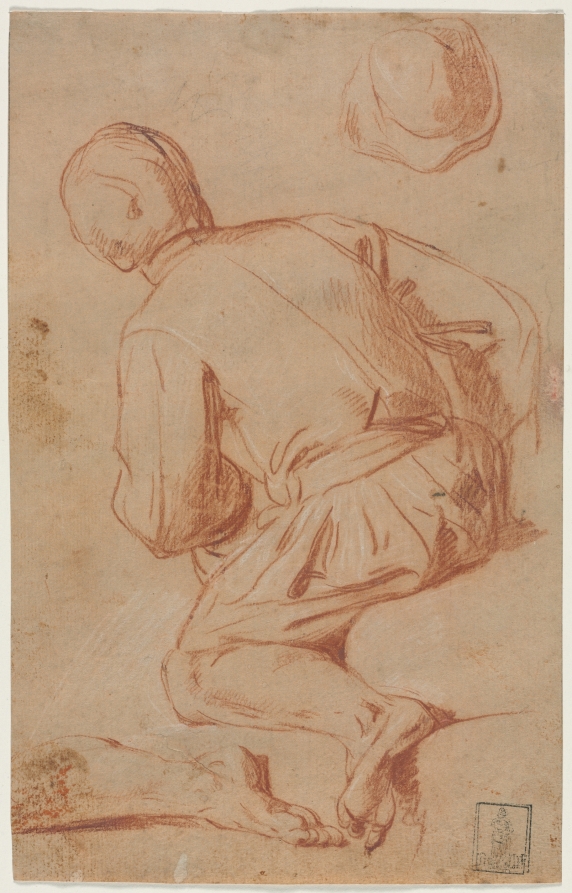
Rear View of Seated Man
Carlo Vimercati (d. 1715)
late 1600s? · Drawing, red chalk heightened with white chalk
Cleared · CC0
live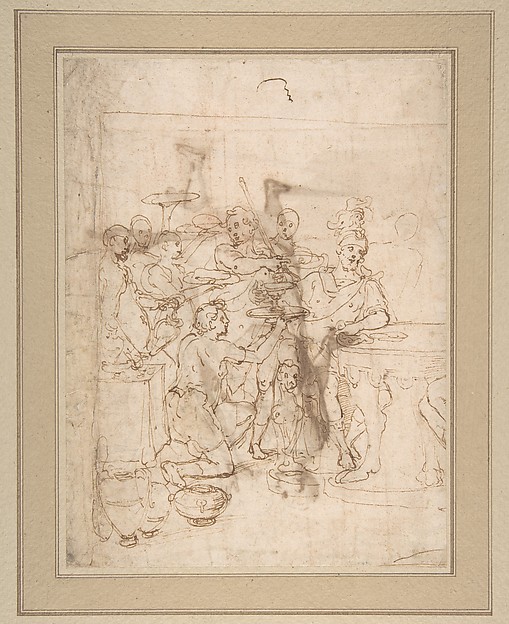
Banquet Scene: A Seated Warrior Attended by a Number of Servants (recto); Back View of a Standing Man in a Long Cloak (verso)
Cesare Nebbia (d. 1614)
1536–1614 · Pen and brown ink (recto); pen and brown ink, brush and brown wash, over black chalk (verso)
Cleared · Public Domain
live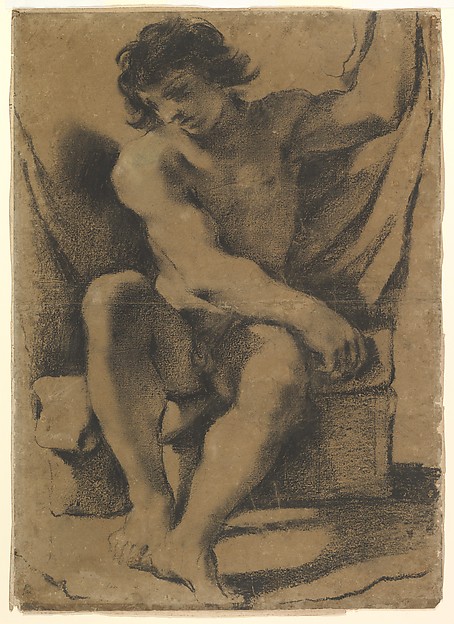
Seated Nude Young Man in Nearly Frontal View
Guercino (Giovanni Francesco Barbieri) (d. 1666)
ca. 1618 · Modified black chalk (dipped in a gum solution), traces of white gouache highlights, on light brown paper
Cleared · Public Domain
live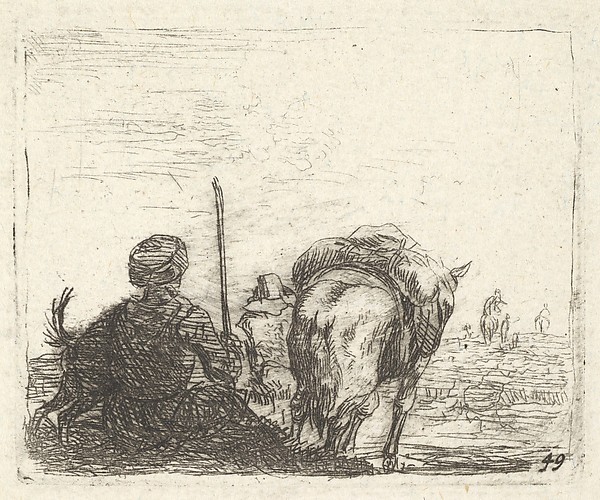
Pack-horse, seated man with staff in right hand, and dog, all viewed from the rear, from "The Small Landscapes"
Karel Dujardin (d. 1678)
ca. 1641–78 · Etching
Cleared · Public Domain
live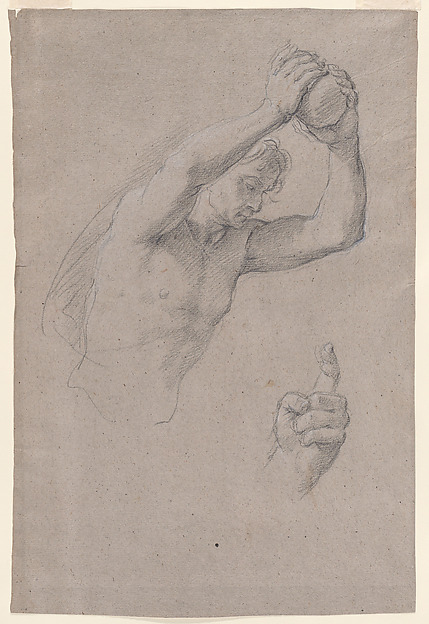
Studies of a Young Man Holding a Stone Seen in Half-length (recto); Seated Young Man Seen in Three-quarter View from Behind, Facing Right (verso)
Giacomo Zoboli (d. 1767)
18th century · Black chalk, highlighted with white chalk
Cleared · Public Domain
live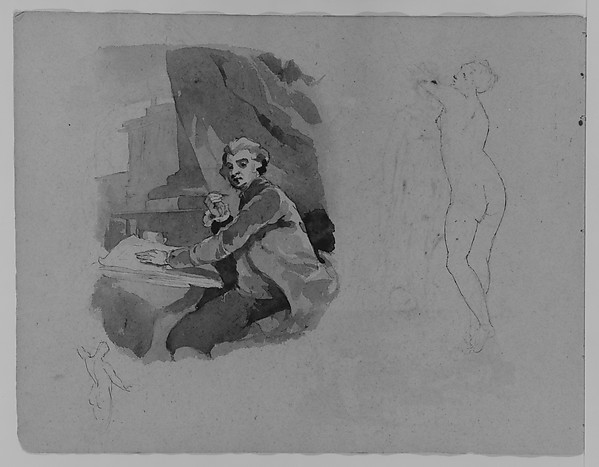
Portrait of Seated Man with Pen and Paper; Standing Female Nude, Rear View (from Sketchbook)
Thomas Sully (d. 1872)
1810–20 · Ink, wash, on paper
Cleared · Public Domain
live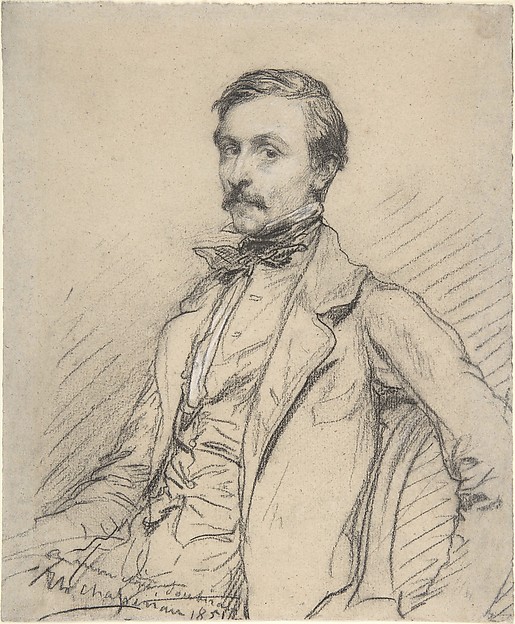
Ernest Chassériau (?)
Théodore Chassériau (d. 1856)
1851 · Conté crayon, with touches of white chalk
Cleared · Public Domain
live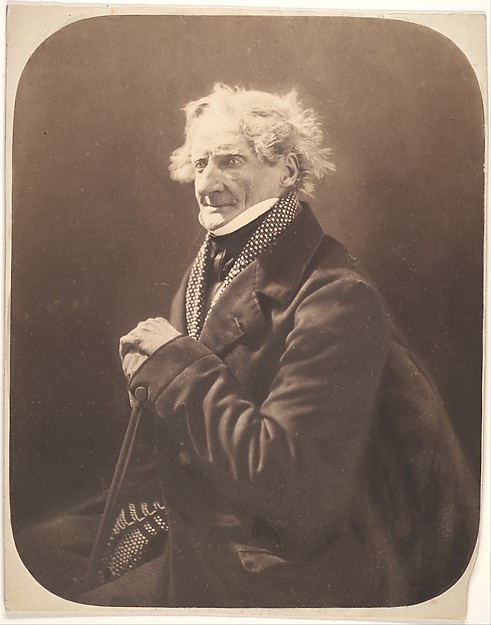
Pierre-Luc-Charles Cicéri
Nadar (d. 1910)
1855–60 · Salted paper print from glass negative
Cleared · Public Domain
liveNo open reproduction
The institution withholds the image for this record, which is itself the answer: the picture on their page is not theirs to give away.
Fragmens d'aprés l'Antique, from "Les Plus Beaux Monuments de Rome Ancienne ou Recueil des plus beaux Morceaux de l'Antiquité Romaine qui existent encore"
Jean Barbault (d. 1762)
1761 · Etching and engraving
In copyright
liveNo open reproduction
The institution withholds the image for this record, which is itself the answer: the picture on their page is not theirs to give away.
Partie d'un Bas relief antique existent dans la cour du Palais Justinien, from "Les Plus Beaux Monuments de Rome Ancienne ou Recueil des plus beaux Morceaux de l'Antiquité Romaine qui existent encore"
Jean Barbault (d. 1762)
1761 · Etching and engraving
In copyright
liveNo open reproduction
The institution withholds the image for this record, which is itself the answer: the picture on their page is not theirs to give away.
Campden Hill, London
Bill Brandt (d. 1983)
April 1949 · Gelatin silver print
In copyright
live1. Pin the work
Choose the record and say what you are actually going to do with it. The product re-reads the work live and stores a snapshot, so your docket records what the institution said today.
2. Read the arithmetic
Six weighted factors: the institution's own claim, the creator's term, the publication-age rule, the restrictions in their statement, your use, and whether a credit line is even possible.
3. Seal and export
Record the decision into a SHA-384 chain, then export a dated docket as JSON, CSV or Markdown with the credit line and the seal a colleague can re-verify.