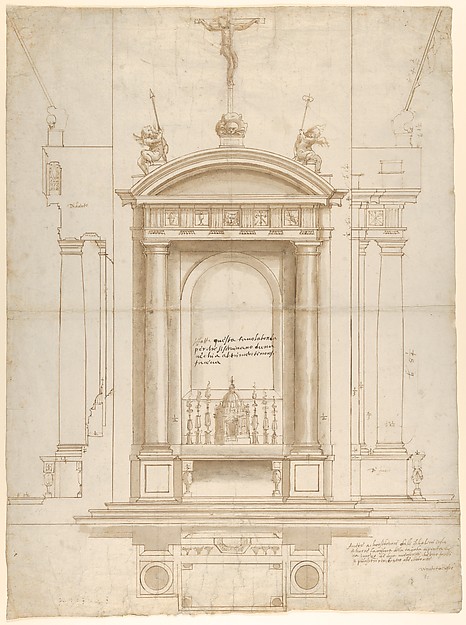
Design for an Altar Surmounted by a Crucifix in Four Different Views
Vincenzo de' Rossi (d. 1587)
1546–47 · Pen and brown ink, brush and gray-brown wash over traces of black chalk, ruling and compass work
Cleared · Public Domain
liveThe MetSimilar
Rights clearance desk for images
Museums publish two different things about the same artwork: whether the work is in copyright, and whether their picture of it is. OpenPlate reads both, does the arithmetic on the published term, and shows you the sentence behind every point of the score.
Where this page got its records
898 ms. The Metropolitan Museum of Art, Collection API (Open Access)
330 ms. The Cleveland Museum of Art, Open Access API
2 of 2 providers answered live. 2,080 matching records exist across the two collections.
Institutions answered newest-first by record, interleaved
Design for an Altar Surmounted by a Crucifix in Four Different Views
Vincenzo de' Rossi (d. 1587)
1546–47 · Pen and brown ink, brush and gray-brown wash over traces of black chalk, ruling and compass work
Cleared · Public Domain
live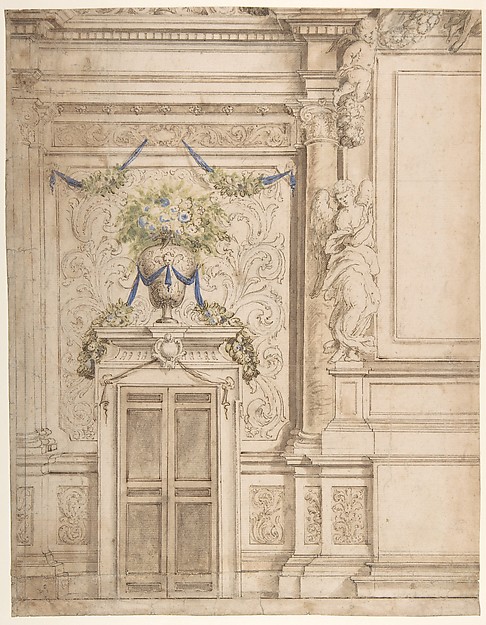
Left Half of a Wall Decoration for a Chapel
Francesco Ferrari (d. 1708)
ca. 1690 · Pen, brown ink and wash with touches of blue and green wash, over black chalk
Cleared · Public Domain
live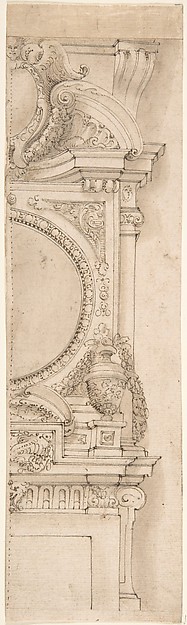
Design for the right half of a chimneypiece
Anonymous, Italian, 17th century (d. 1700)
17th century · Pen and brown ink, brush and brown wash, over leadpoint
Cleared · Public Domain
live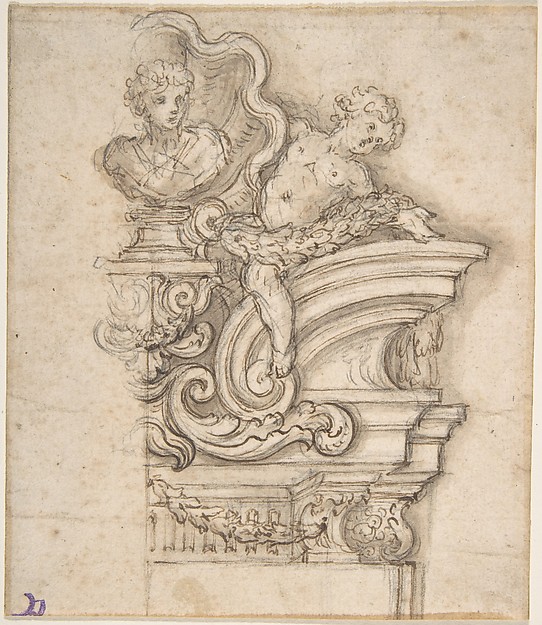
Design for the Right Half of an Overdoor Decoration with a Bust
Giovanni Battista Foggini (d. 1725)
1672–1725 · Pen and brown ink, brush and gray-brown wash; a vertical graphite line through the center of the design
Cleared · Public Domain
live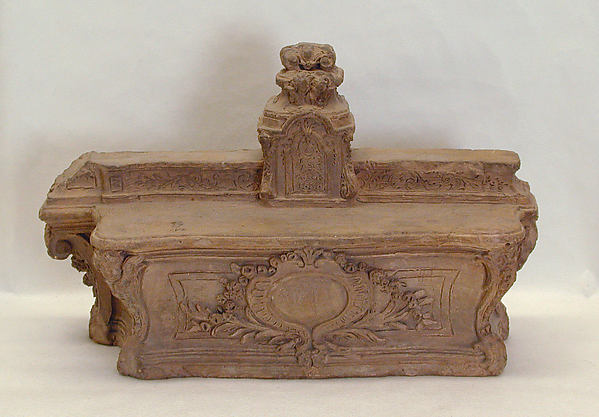
Model for an altar
Unrecorded maker
ca. 1700–1730 · Terracotta
Cleared · Public Domain
live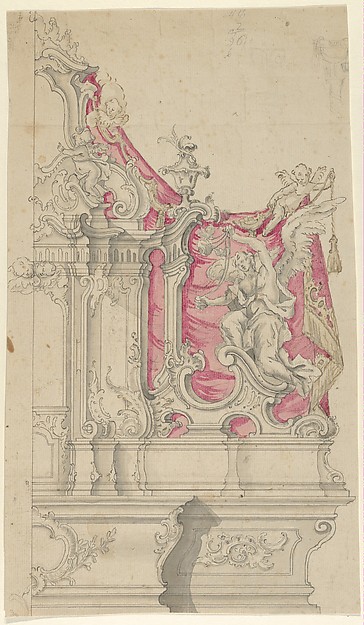
Right Half of a Design for an Altar in Rococo Style
Anonymous, German, South Germany, 18th century (d. 1799)
ca. 1735–50 · Pen and brown ink, brush and gray and red wash
Cleared · Public Domain
live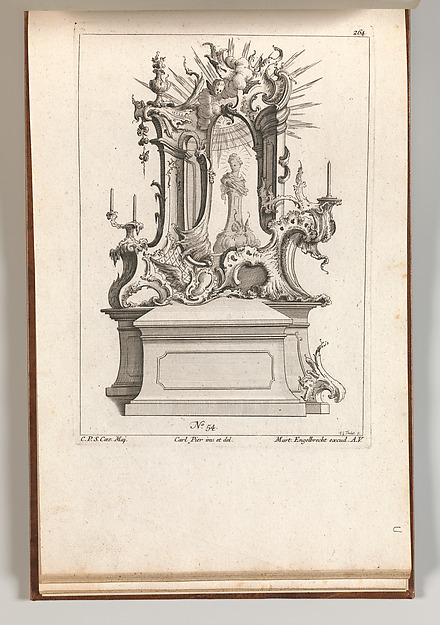
Design for an Altar, plate 1 from an Untitled Series of Designs for Altars
Jacob Gottlieb Thelot
printed ca. 1750–56 · Etching
Cleared · Public Domain
live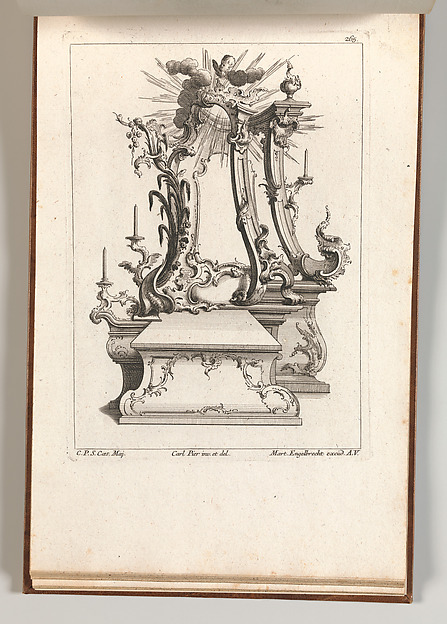
Design for an Altar, plate 2 from an Untitled Series of Designs for Altars
Jacob Gottlieb Thelot
printed ca. 1750–56 · Etching
Cleared · Public Domain
live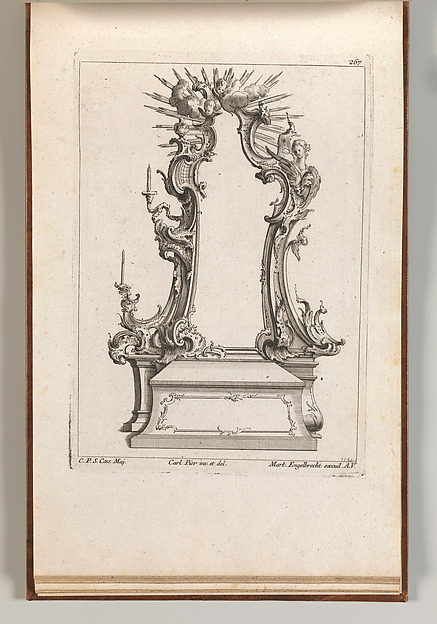
Design for an Altar, plate 4 from an Untitled Series of Designs for Altars
Jacob Gottlieb Thelot
printed ca. 1750–56 · Etching
Cleared · Public Domain
live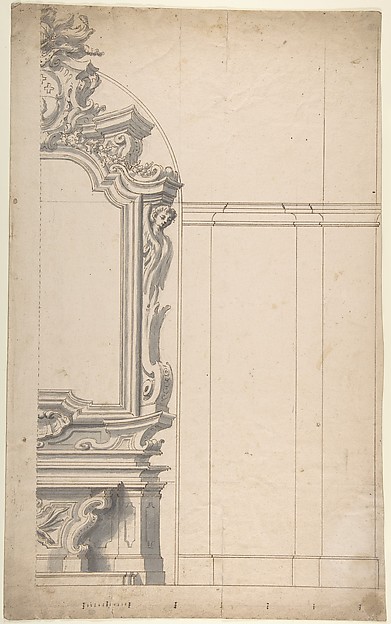
Design for one half of an Altar with a Pilastered Wall at the Right
Anonymous, Italian, Piedmontese, 18th century (d. 1800)
1700–1780 · Pen and brown ink, brush and gray wash, over graphite, with ruled and compass construction. Scales at bottom in pen and brown ink; framing lines in pen and brown ink
Cleared · Public Domain
live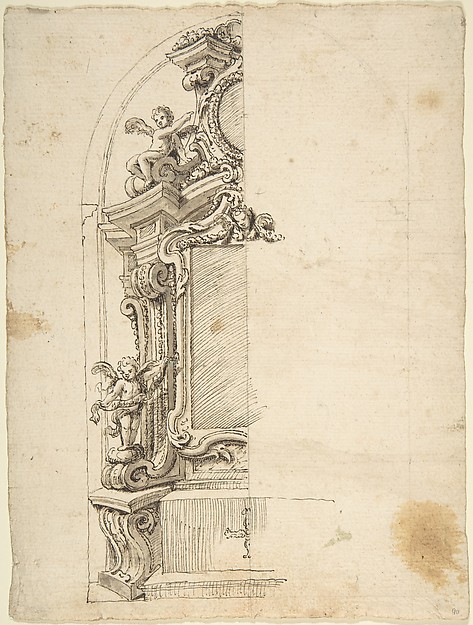
Half design for the decoration of an Altar with Putti
Anonymous, Italian, Piedmontese, 18th century (d. 1800)
1700–1780 · Pen and ink over graphite; framing outlines in graphite (recto); pen and ink (verso)
Cleared · Public Domain
live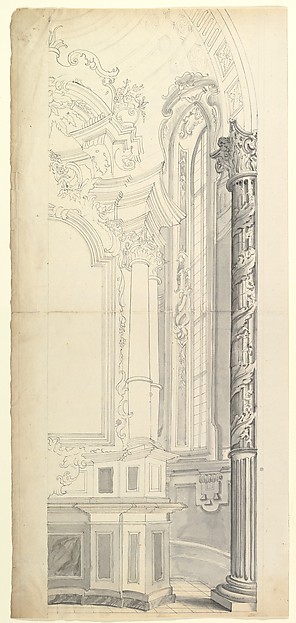
Halved Design for an Altar in a Chapel
Anonymous, Italian, Piedmontese, 18th century (d. 1800)
1700–1780 · Pen and gray ink, brush and gray wash, over graphite with ruled and compass construction
Cleared · Public Domain
live1. Pin the work
Choose the record and say what you are actually going to do with it. The product re-reads the work live and stores a snapshot, so your docket records what the institution said today.
2. Read the arithmetic
Six weighted factors: the institution's own claim, the creator's term, the publication-age rule, the restrictions in their statement, your use, and whether a credit line is even possible.
3. Seal and export
Record the decision into a SHA-384 chain, then export a dated docket as JSON, CSV or Markdown with the credit line and the seal a colleague can re-verify.