
Enthroned Vishnu
Unrecorded maker
second half of the 8th–early 9th century · Granulite
Cleared · Public Domain
liveThe MetSimilar
Rights clearance desk for images
Museums publish two different things about the same artwork: whether the work is in copyright, and whether their picture of it is. OpenPlate reads both, does the arithmetic on the published term, and shows you the sentence behind every point of the score.
Where this page got its records
568 ms. The Metropolitan Museum of Art, Collection API (Open Access)
259 ms. The Cleveland Museum of Art, Open Access API
2 of 2 providers answered live. 22 matching records exist across the two collections.
Institutions answered newest-first by record, interleaved
Enthroned Vishnu
Unrecorded maker
second half of the 8th–early 9th century · Granulite
Cleared · Public Domain
live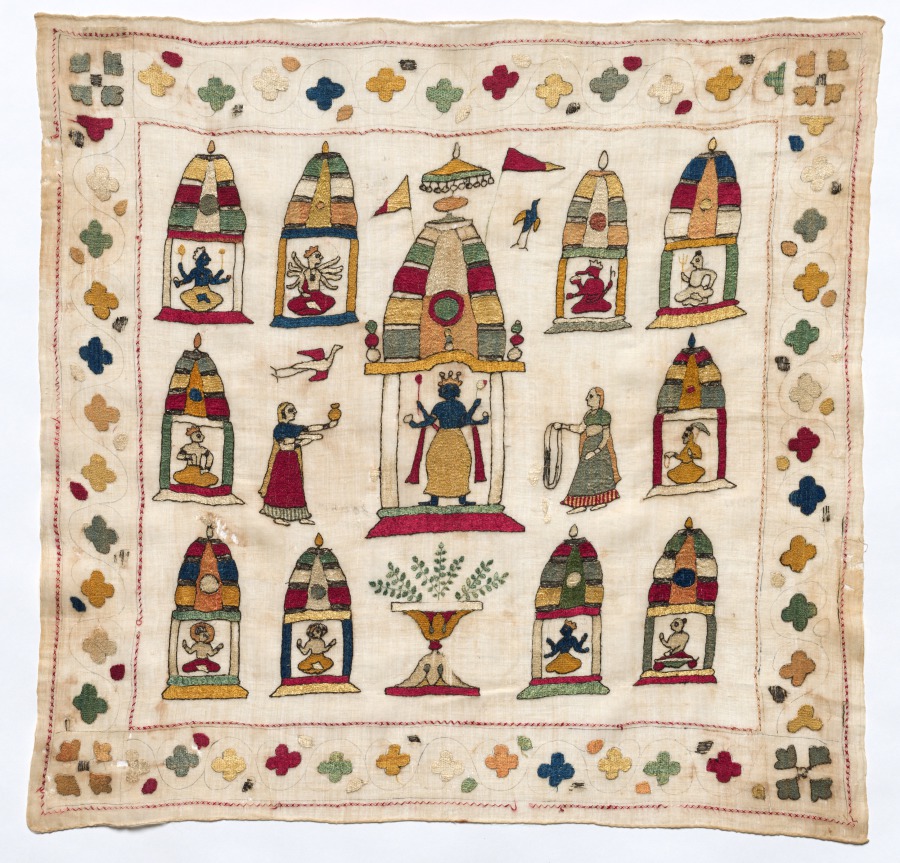
Rumal with Vishnu temple and subsidiary shrines
Unrecorded maker
1700s · Embroidery, Silk and silver embroidery on cotton tabby ground
Cleared · CC0
live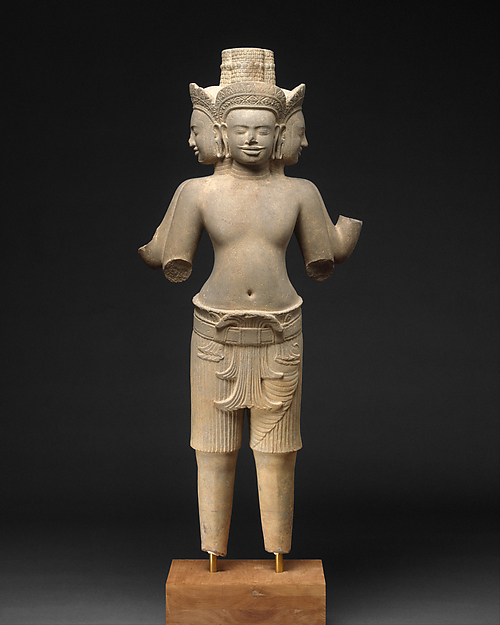
Brahma
Unrecorded maker
first quarter of the 10th century · Sandstone
Cleared · Public Domain
live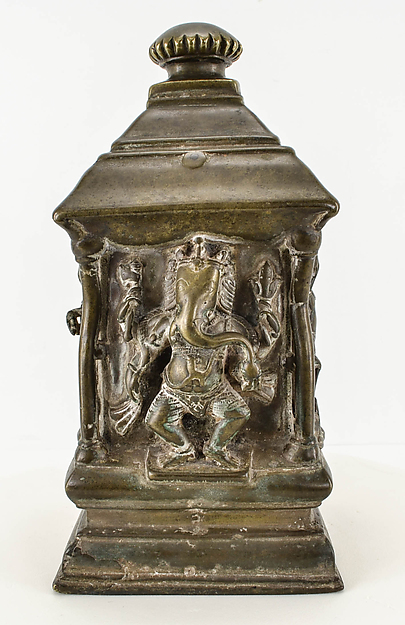
Miniature Brahmanical Shrine
Unrecorded maker
10th century · Copper alloy
Cleared · Public Domain
live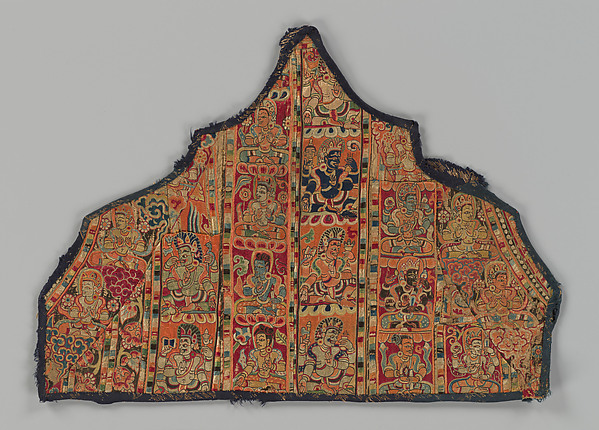
Temple banner with Brahmanical deities and ascetics
Unrecorded maker
early 15th century · Embroidered silk on cotton ground
Cleared · Public Domain
live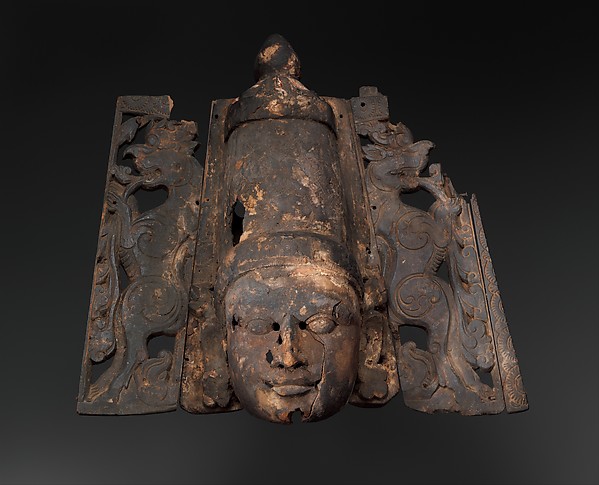
Vishnu or Prahalada, Son of Hiranyakashipu
Unrecorded maker
ca. 1700–1750 · Wood with cloth and polychrome
Cleared · Public Domain
live
Rumal with Scenes from the Ramayana
Unrecorded maker
18th century · Cotton with silk, tinsel, and metal embroidery
Cleared · Public Domain
live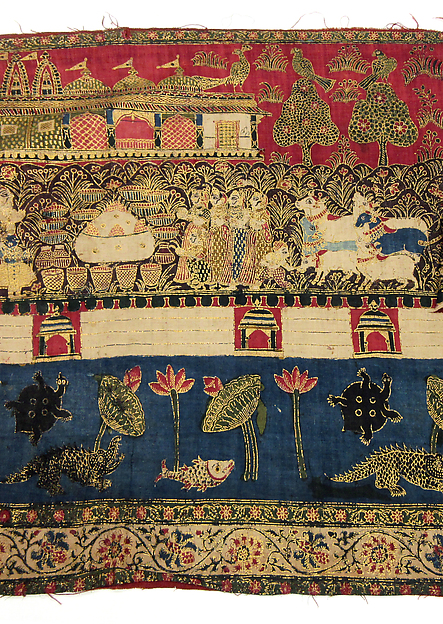
Temple cloth celebrating Krishna (Picchavai) (border section)
Unrecorded maker
Late 18th century · Painted pigments (kalamkari) and glued gold on cotton
Cleared · Public Domain
live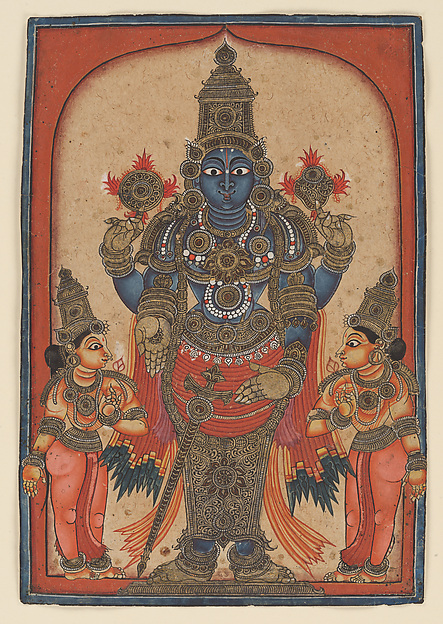
Vishnu Venkateshvara, Lord of Tirupati
Tirupati School, South India
late 18th century · Opaque watercolor and hand-colored silver on paper
Cleared · Public Domain
live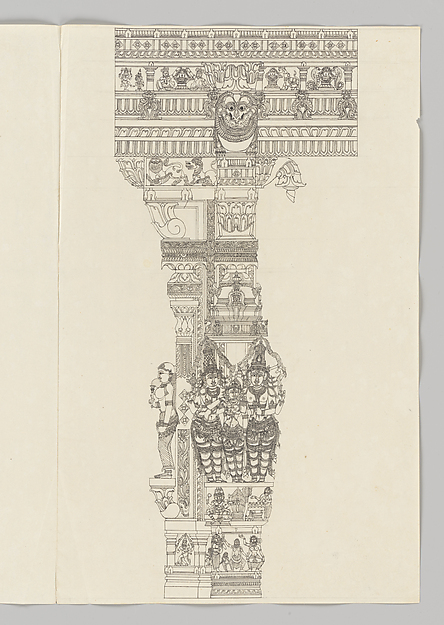
Marriage of Minakshi and Sundarehsvara, attended by Vishnu
Unidentified
ca. 1800 · Ink and wash on J. Whatman paper watermarked 1798
Cleared · Public Domain
live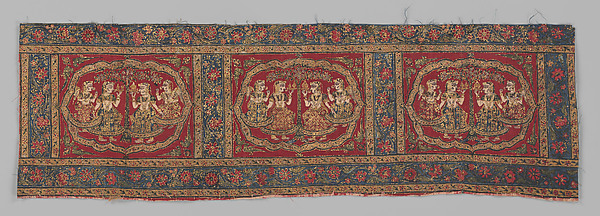
The Gopis celebrating Krishna
Unrecorded maker
1800–25 · Border panel from a picchavai hanging; cotton with painted and stamped mordant and resist dyed, and gold
Cleared · Public Domain
liveNo open reproduction
The institution withholds the image for this record, which is itself the answer: the picture on their page is not theirs to give away.
Shorhasi/Chinnamosta
Unrecorded maker
1880–90 · Lithograph
In copyright
live1. Pin the work
Choose the record and say what you are actually going to do with it. The product re-reads the work live and stores a snapshot, so your docket records what the institution said today.
2. Read the arithmetic
Six weighted factors: the institution's own claim, the creator's term, the publication-age rule, the restrictions in their statement, your use, and whether a credit line is even possible.
3. Seal and export
Record the decision into a SHA-384 chain, then export a dated docket as JSON, CSV or Markdown with the credit line and the seal a colleague can re-verify.