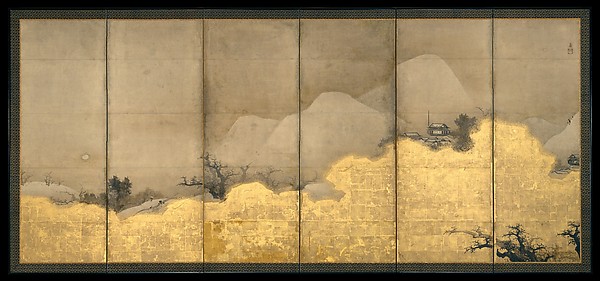
Scenes from the Eight Views of the Xiao and Xiang Rivers
Unkoku Tōeki (d. 1644)
17th century · Pair of six-panel screens; ink and gold on paper
Cleared · Public Domain
liveThe MetSimilar
Rights clearance desk for images
Museums publish two different things about the same artwork: whether the work is in copyright, and whether their picture of it is. OpenPlate reads both, does the arithmetic on the published term, and shows you the sentence behind every point of the score.
Where this page got its records
1386 ms. The Metropolitan Museum of Art, Collection API (Open Access)
633 ms. The Cleveland Museum of Art, Open Access API
2 of 2 providers answered live. 153 matching records exist across the two collections.
Institutions answered newest-first by record, interleaved
Scenes from the Eight Views of the Xiao and Xiang Rivers
Unkoku Tōeki (d. 1644)
17th century · Pair of six-panel screens; ink and gold on paper
Cleared · Public Domain
live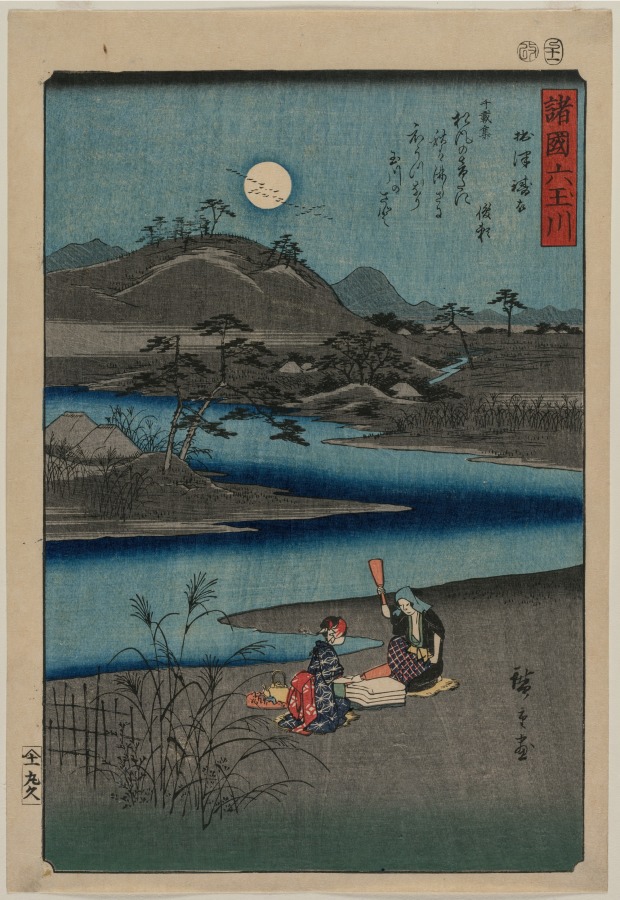
Cloth Fulling Jewel River in Settsu, from the series Six Jewel Rivers of the Various Provinces
Utagawa Hiroshige (d. 1858)
1857 · Print, Color woodblock print, ink and color on paper
Cleared · CC0
live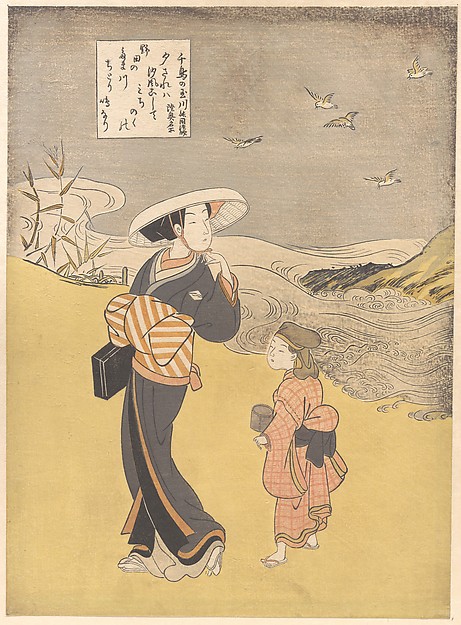
“The Jewel River of Plovers, a Famous Place in Mutsu Province,” from the series Six Jewel Rivers (Mu Tamagawa: Chidori no Tamagawa, Mutsu meisho)
Suzuki Harunobu (d. 1770)
probably 1766 · Woodblock print; ink and color on paper
Cleared · Public Domain
live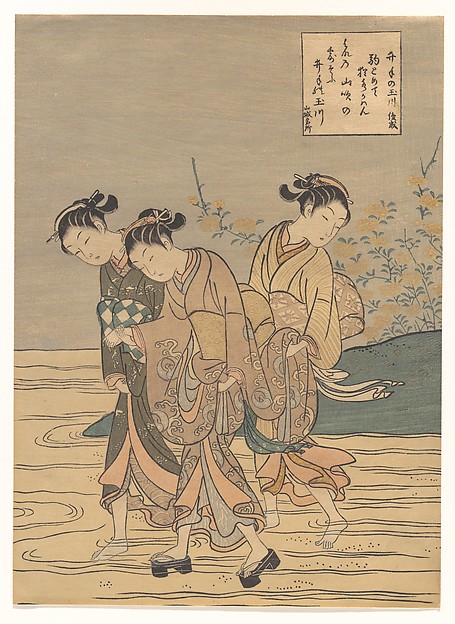
The Tama River at Ide, Yamashiro Province
Suzuki Harunobu (d. 1770)
probably 1766 · Woodblock print; ink and color on paper
Cleared · Public Domain
live
The Cloth-Fulling Jewel River, a Famous Place in Settsu Province (Tōi no Tamagawa, Settsu no meisho), from an untitled series of Six Jewel Rivers (Mu Tamagawa)
Suzuki Harunobu (d. 1770)
ca. 1766–67 · Woodblock print (nishiki-e); ink and color on paper
Cleared · Public Domain
live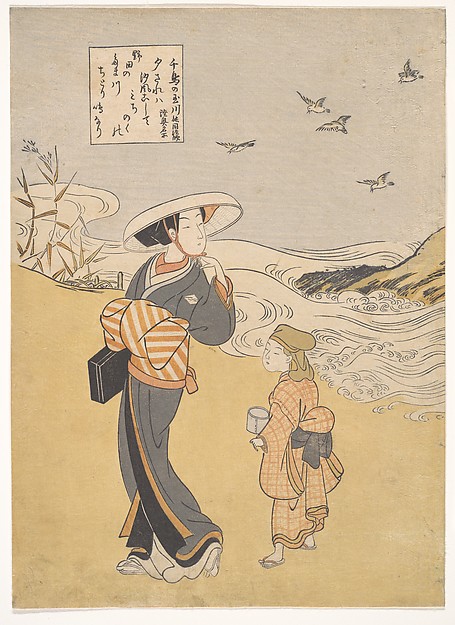
“The Jewel River of Plovers, a Famous Place in Mutsu Province,” from the series Six Jewel Rivers (Mu Tamagawa: Chidori no Tamagawa, Mutsu meisho)
Suzuki Harunobu (d. 1770)
1770 · Woodblock print; ink and color on paper
Cleared · Public Domain
live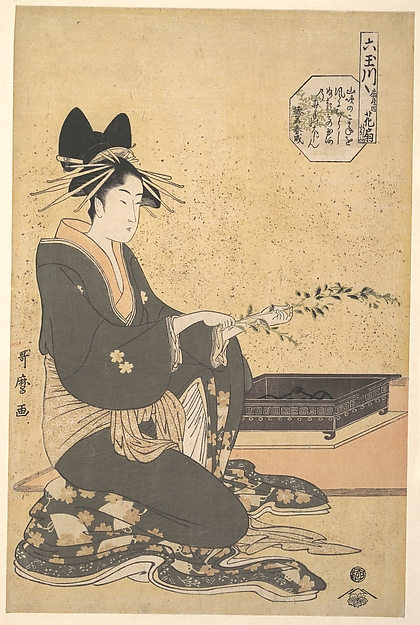
The Oiran Hanaogi of Ogiya, from the series “Six Jewel Rivers” (Mutamagawa)
Kitagawa Utamaro (d. 1806)
ca. 1795–96 · Woodblock print; ink and color on paper
Cleared · Public Domain
live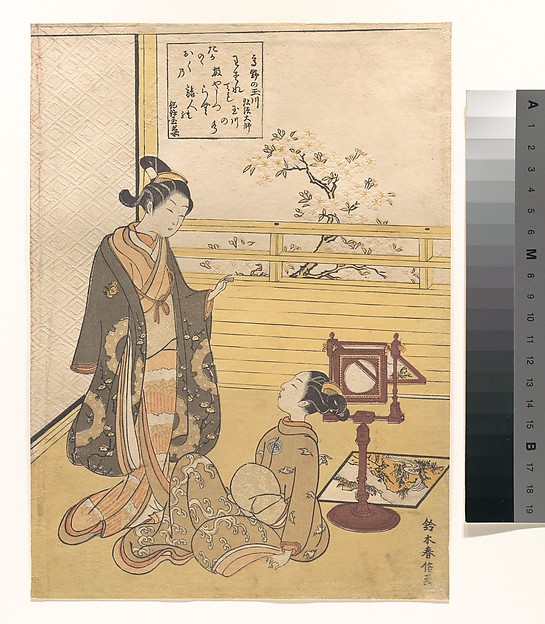
A Teenage Boy and Girl with a Viewer for an Optique Picture (Nozoki-karakuri); Kōbō Daishi’s Poem on the Jewel River of Kōya (Kōya no Tamagawa: Kōbō Daishi)
Suzuki Harunobu (d. 1770)
ca. 1788 · Woodblock print; ink and color on paper
Cleared · Public Domain
live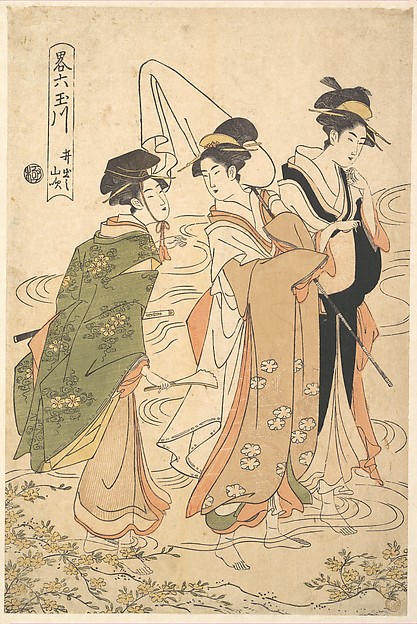
Mountain Roses of Ide (Ide no Yamabuki), from the series A Parodic Six Jewel Rivers (Yatsushi Mu-Tamagawa)
Rekisentei Eiri (d. 1801)
ca. 1795 · Woodblock print; ink and color on paper
Cleared · Public Domain
live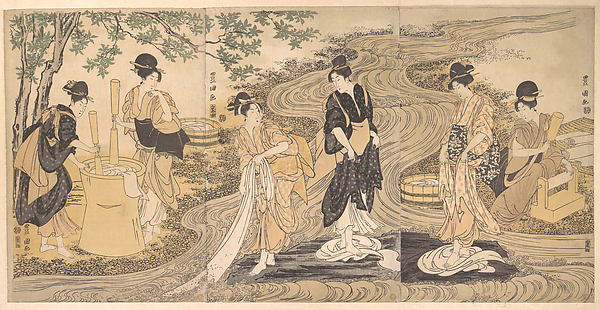
Tetsukuri no Tamagawa on the Musashino Plain
Utagawa Toyokuni I (d. 1825)
ca. 1800 · Triptych of woodblock prints; ink and color on paper
Cleared · Public Domain
live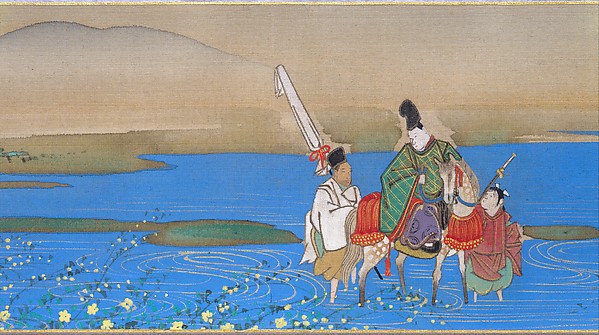
Six Jewel Rivers
Sakai Ōho (d. 1841)
ca. 1839 · Six handscrolls; ink, color, and gold on silk
Cleared · Public Domain
live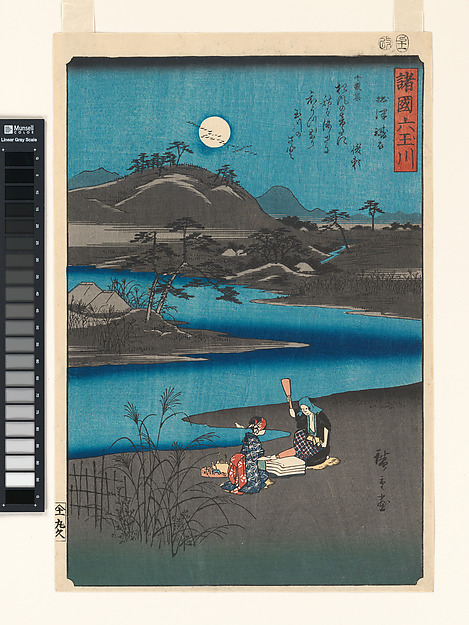
Six Jewel Rivers from Various Provinces
Utagawa Hiroshige (d. 1858)
1857 · Six woodblock prints; ink and color on paper
Cleared · Public Domain
live1. Pin the work
Choose the record and say what you are actually going to do with it. The product re-reads the work live and stores a snapshot, so your docket records what the institution said today.
2. Read the arithmetic
Six weighted factors: the institution's own claim, the creator's term, the publication-age rule, the restrictions in their statement, your use, and whether a credit line is even possible.
3. Seal and export
Record the decision into a SHA-384 chain, then export a dated docket as JSON, CSV or Markdown with the credit line and the seal a colleague can re-verify.