Skip to content
OpenPlate

Rights clearance desk for images

A painting can be out of copyright and thephotograph of it can still be protected.

Museums publish two different things about the same artwork: whether the work is in copyright, and whether their picture of it is. OpenPlate reads both, does the arithmetic on the published term, and shows you the sentence behind every point of the score.

Where this page got its records

  • The Metsealed sample 2026-10-04T00:00:00.000Z

    The Metropolitan Museum of Art did not answer: met answered HTTP 403

  • Clevelandlive

    461 ms. The Cleveland Museum of Art, Open Access API

Your defaults

United States, editorial use, 10,000 reach.

Change on the terms page

1 of 2 providers answered live. 10 matching records exist across the two collections.
Results for "Textile with Animals, Birds, and Flowers"8 records

Institutions answered newest-first by record, interleaved

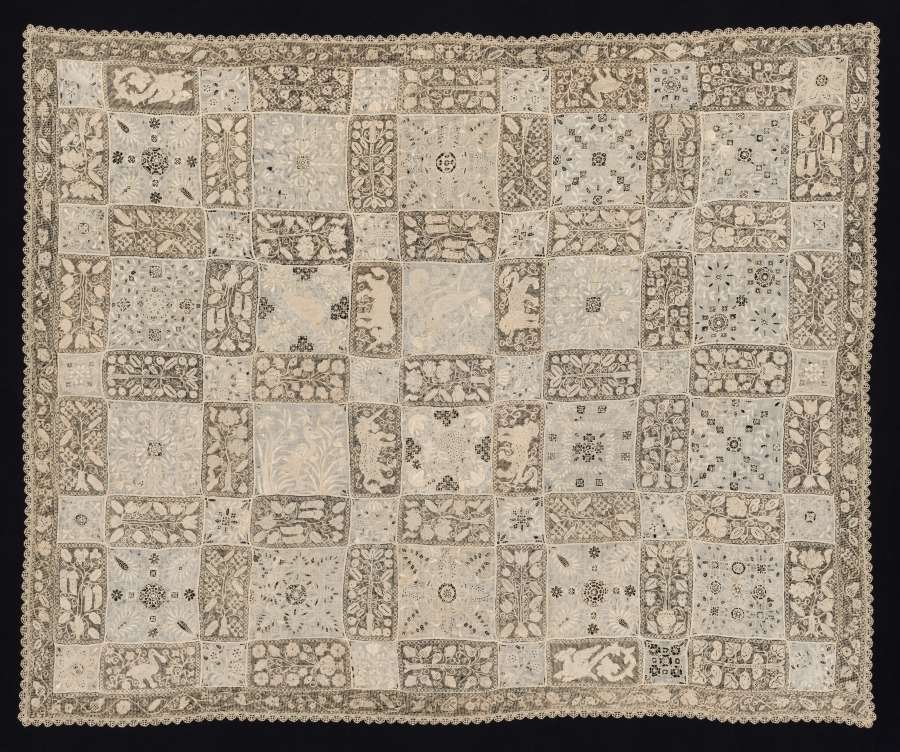
Cloth with Unicorns, Dragons, Other Animals, and Floral Patterns by an unrecorded maker, The Cleveland Museum of Art

Cloth with Unicorns, Dragons, Other Animals, and Floral Patterns

Unrecorded maker

1800s · Lace, Bleached linen: needle lace, filet/lacis (knotted ground and darned in two directions) and alternating cutwork, embroidered squares, and bobbin lace edging

Cleared · CC0

live
Cleveland Museum of ArtSimilar
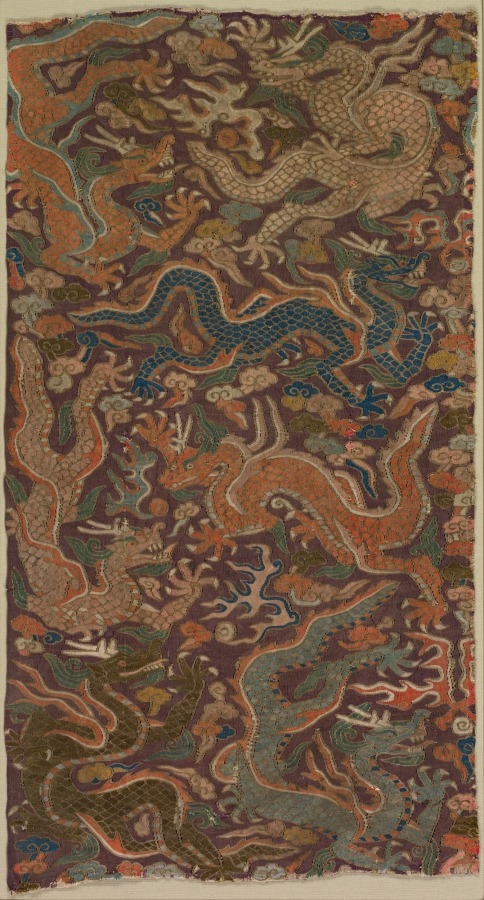
Dragons Chasing Flaming Pearls by an unrecorded maker, The Cleveland Museum of Art

Dragons Chasing Flaming Pearls

Unrecorded maker

1200s or earlier · Textile, silk and gold thread: tapestry

Cleared · CC0

live
Cleveland Museum of ArtSimilar
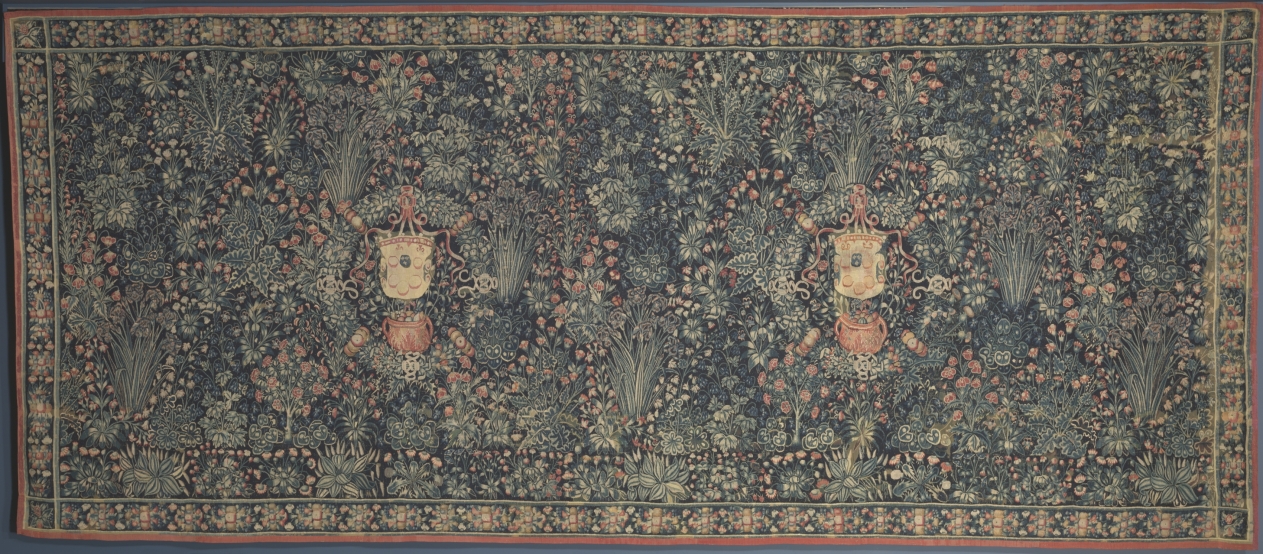
Millefleurs Tapestry with Medici Coat of Arms by an unrecorded maker, The Cleveland Museum of Art

Millefleurs Tapestry with Medici Coat of Arms

Unrecorded maker

1520s · Tapestry, tapestry weave: wool and silk

Cleared · CC0

live
Cleveland Museum of ArtSimilar
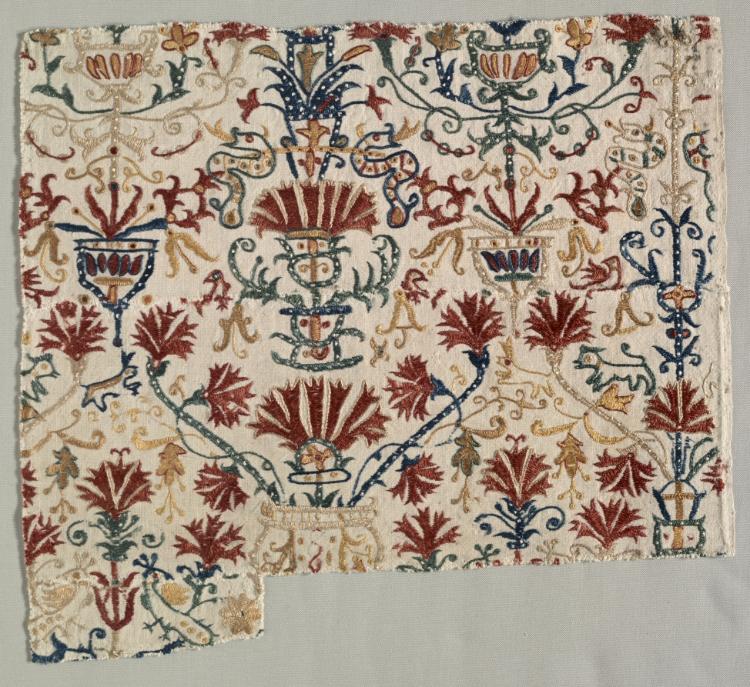
Fragment of a Bed Curtain by an unrecorded maker, The Cleveland Museum of Art

Fragment of a Bed Curtain

Unrecorded maker

1700s · Embroidery, Silk on linen tabby ground, embroidery

Cleared · CC0

live
Cleveland Museum of ArtSimilar
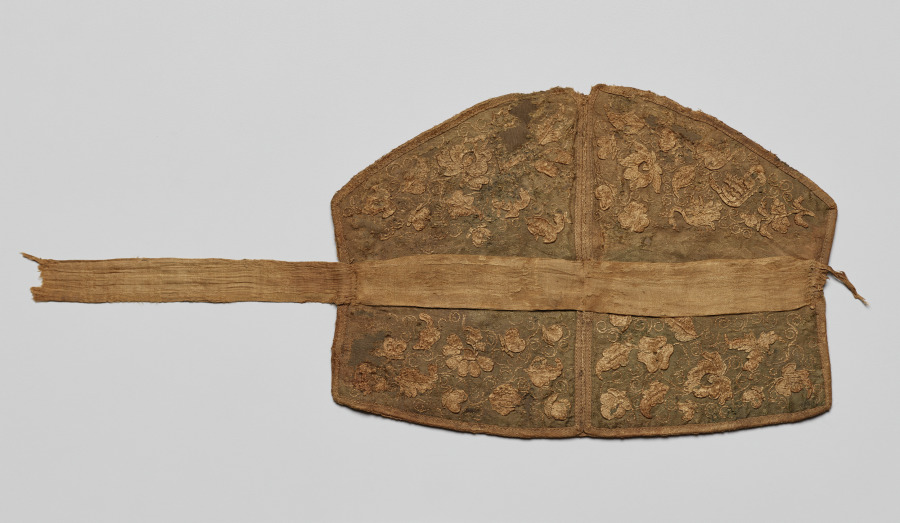
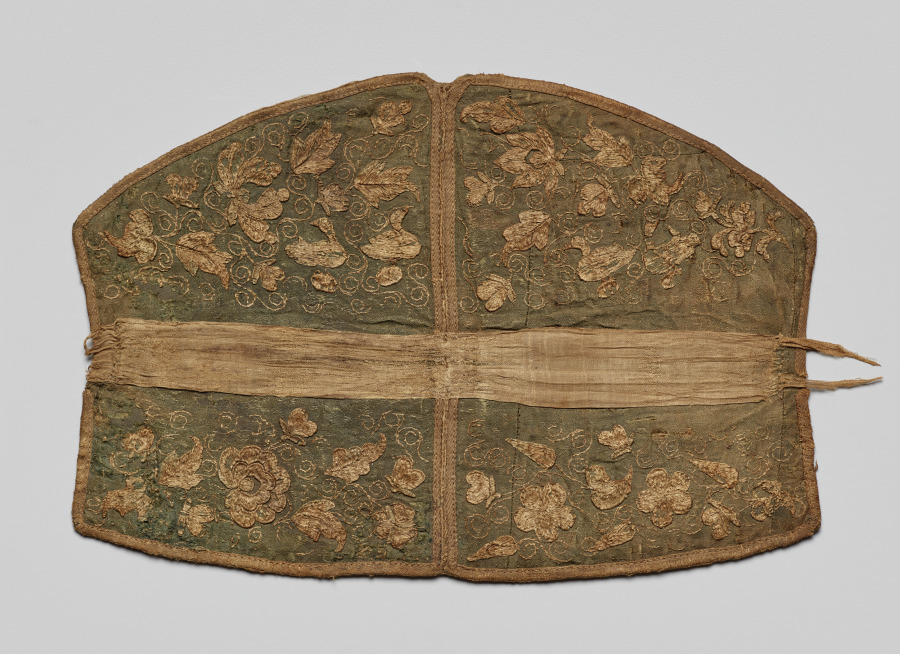
Headpiece by an unrecorded maker, The Cleveland Museum of Art

Headpiece

Unrecorded maker

907–1125 · Embroidery, embroidery, silk

Cleared · CC0

live
Cleveland Museum of ArtSimilar
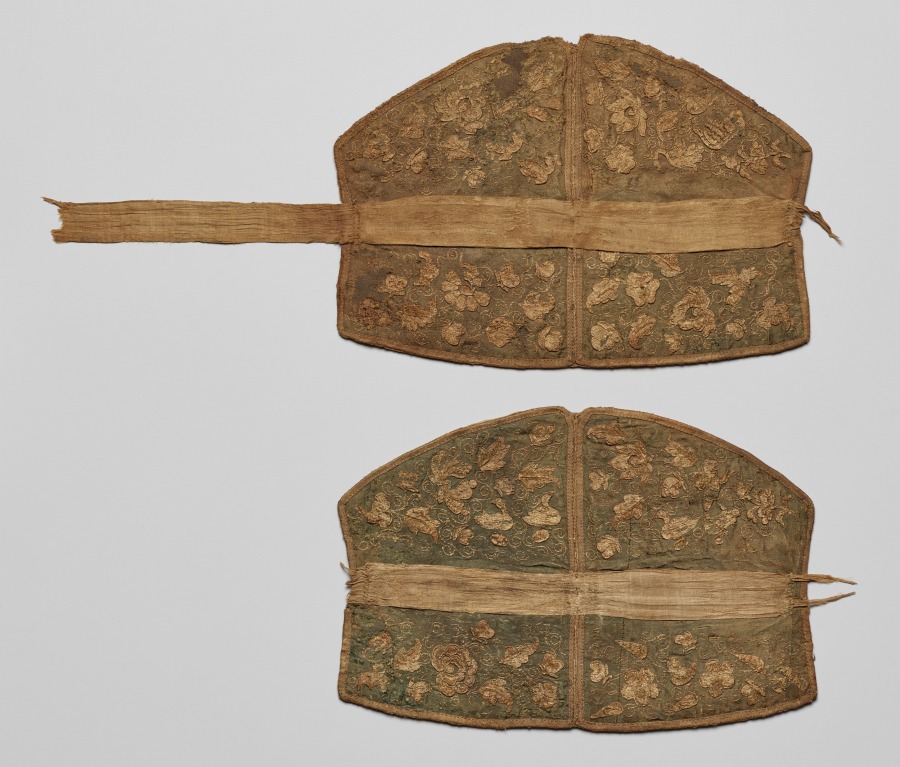
Pair of Headpieces by an unrecorded maker, The Cleveland Museum of Art

Pair of Headpieces

Unrecorded maker

907–1125 · Embroidery, embroidery, silk

Cleared · CC0

live
Cleveland Museum of ArtSimilar
Headpiece by an unrecorded maker, The Cleveland Museum of Art

Headpiece

Unrecorded maker

907–1125 · Embroidery, embroidery, silk

Cleared · CC0

live
Cleveland Museum of ArtSimilar
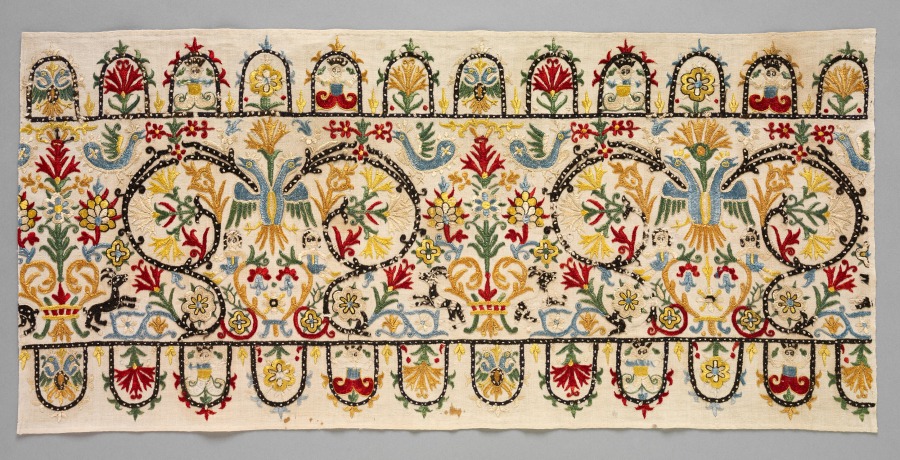
Border Strips of a Skirt by an unrecorded maker, The Cleveland Museum of Art

Border Strips of a Skirt

Unrecorded maker

1600s–1700s · Embroidery, Silk on linen tabby ground; embroidery

Cleared · CC0

live
Cleveland Museum of ArtSimilar

1. Pin the work

Choose the record and say what you are actually going to do with it. The product re-reads the work live and stores a snapshot, so your docket records what the institution said today.

2. Read the arithmetic

Six weighted factors: the institution's own claim, the creator's term, the publication-age rule, the restrictions in their statement, your use, and whether a credit line is even possible.

3. Seal and export

Record the decision into a SHA-384 chain, then export a dated docket as JSON, CSV or Markdown with the credit line and the seal a colleague can re-verify.