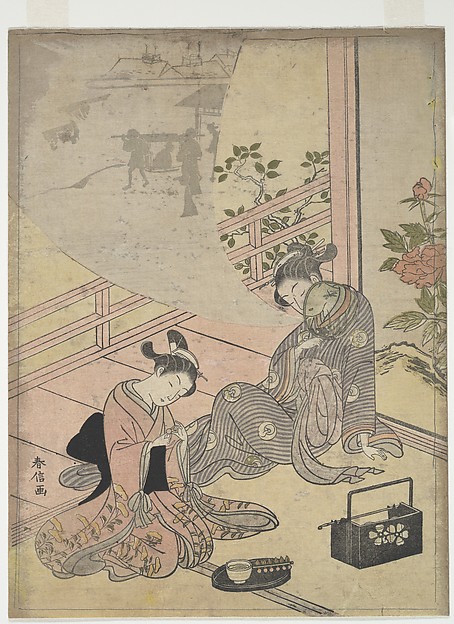
Parody of the Tale of Young Man Lu: Courtesan Dreaming
Suzuki Harunobu (d. 1770)
18th century · Woodblock print; ink and color on paper
Cleared · Public Domain
liveThe MetSimilar
Rights clearance desk for images
Museums publish two different things about the same artwork: whether the work is in copyright, and whether their picture of it is. OpenPlate reads both, does the arithmetic on the published term, and shows you the sentence behind every point of the score.
Where this page got its records
273 ms. The Metropolitan Museum of Art, Collection API (Open Access)
327 ms. The Cleveland Museum of Art, Open Access API
2 of 2 providers answered live. 15 matching records exist across the two collections.
Institutions answered newest-first by record, interleaved
Parody of the Tale of Young Man Lu: Courtesan Dreaming
Suzuki Harunobu (d. 1770)
18th century · Woodblock print; ink and color on paper
Cleared · Public Domain
live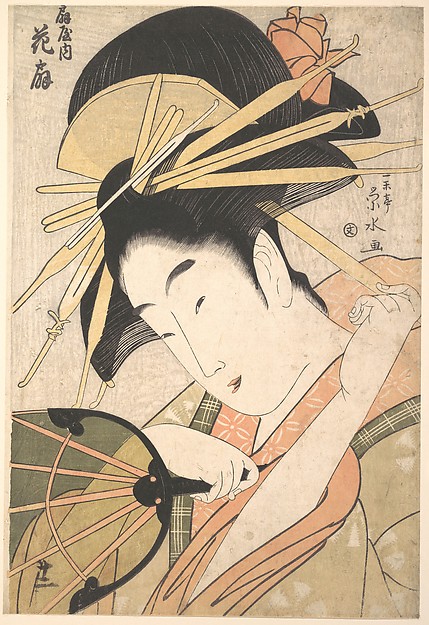
The Courtesan Hanaōgi of the Ōgiya Brothel (Ōgiya no uchi Hanaōgi)
Ichirakutei Eisui (d. 1801)
1790s · Woodblock print; ink and color on paper
Cleared · Public Domain
live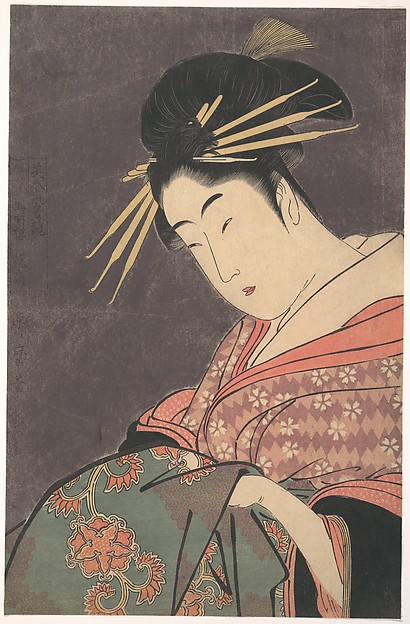
“Hanaōgi of the Gomeirō,” from the series Comparing the Charms of Beauties (Bijin kiryō kurabe: Gomeirō Hanaōgi)
Kitagawa Utamaro (d. 1806)
ca. 1794–95 · Woodblock print; ink and color on paper
Cleared · Public Domain
live
In a Pleasure House
Torii Kiyonaga (d. 1815)
late 18th century · Woodblock print; ink and color on paper
Cleared · Public Domain
live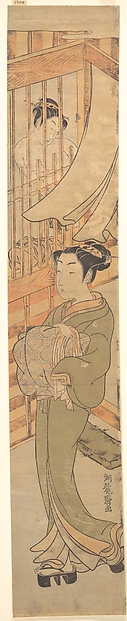
In the Yoshiwara District
Isoda Koryūsai (d. 1790)
late 18th century · Woodblock print; ink and color on paper
Cleared · Public Domain
live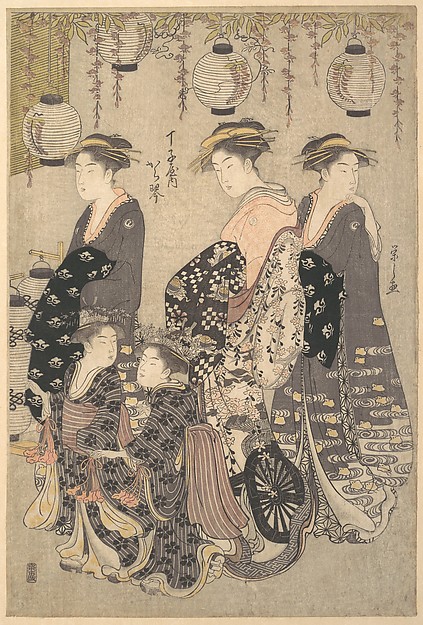
Karakoto of Chojiya on Parade
Chōbunsai Eishi (d. 1829)
ca. 1790 · One sheet of a triptych of woodblock prints; ink and color on paper
Cleared · Public Domain
live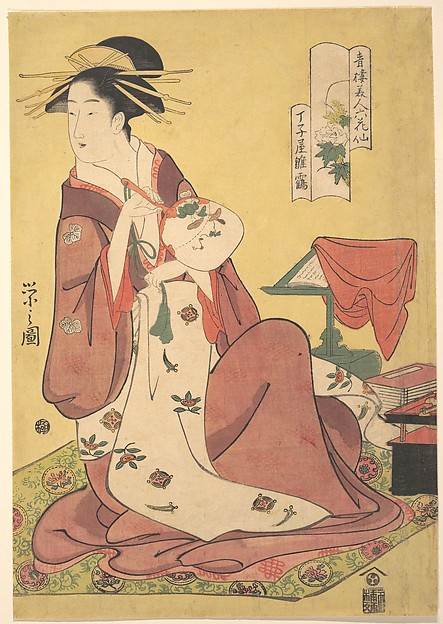
The Courtesan Hinazuru of the Chōjiya Brothel (Chōjiya Hinazuru), from the series Beauties of the Pleasure Quarters as Six Floral Immortals (Seirō bijin rokkasen)
Chōbunsai Eishi (d. 1829)
ca. 1795 · Woodblock print; ink and color on paper
Cleared · Public Domain
live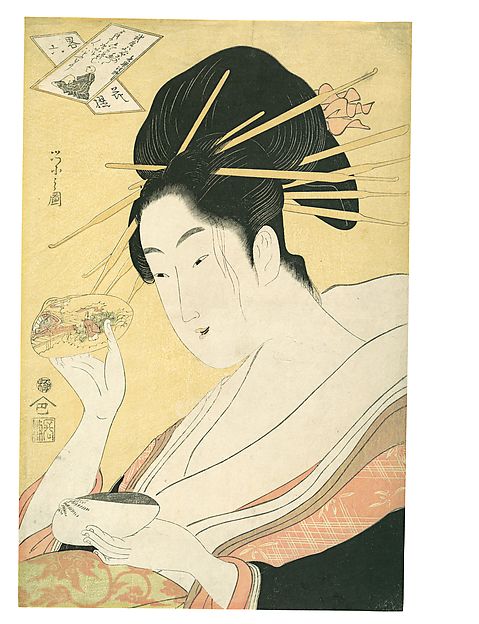
Matching Shells (Kai-awase), “Kisen Hōshi,” from the series Modern Parodies of the Six Poetic Immortals (Yatsushi rokkasen: Kisen Hōshi)
Chōbunsai Eishi (d. 1829)
ca. 1796–98 · Polychrome woodblock ōban print; ink and color on paper
Cleared · Public Domain
live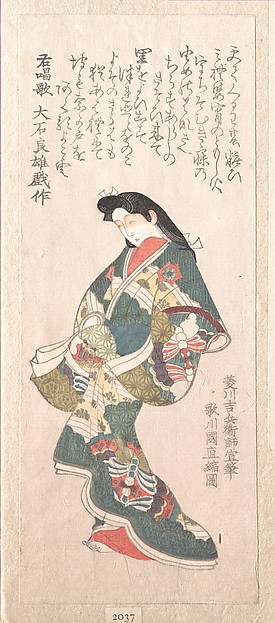
Spring Rain Collection (Harusame shū), vol. 1: Genroku-style Courtesan
Utagawa Kuninao (d. 1854)
probably 1810s · Privately published woodblock prints (surimono) mounted in an album; ink and color on paper
Cleared · Public Domain
live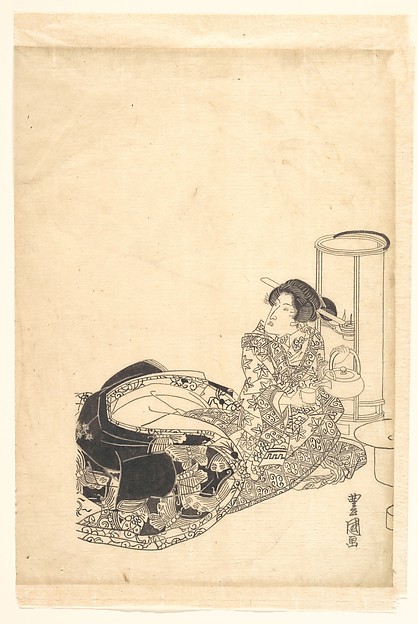
Courtesan or Actor as Courtesan Pouring Tea by the Light of a Lantern
Utagawa Toyokuni I (d. 1825)
1825 · Monochrome woodblock print; ink on paper
Cleared · Public Domain
live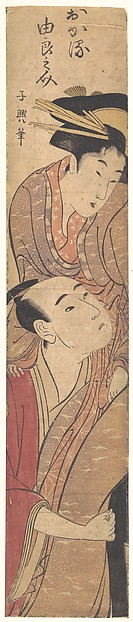
Okaru and Yuranosuke (Okaru, Yuranosuke)
Eishōsai Chōki (d. 1900)
1835 · Woodblock print (nishiki-e); ink and color on paper
Cleared · Public Domain
live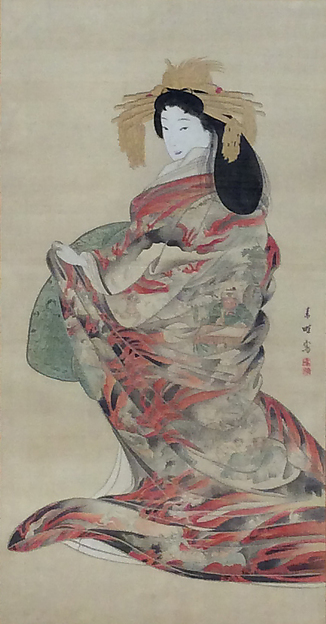
The Hell Courtesan
Seikei (d. 1899)
late 19th century · Hanging scroll; ink and color on silk
Cleared · Public Domain
live1. Pin the work
Choose the record and say what you are actually going to do with it. The product re-reads the work live and stores a snapshot, so your docket records what the institution said today.
2. Read the arithmetic
Six weighted factors: the institution's own claim, the creator's term, the publication-age rule, the restrictions in their statement, your use, and whether a credit line is even possible.
3. Seal and export
Record the decision into a SHA-384 chain, then export a dated docket as JSON, CSV or Markdown with the credit line and the seal a colleague can re-verify.