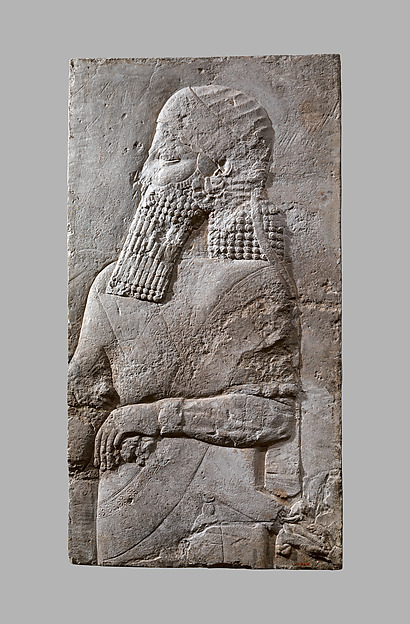
Assyrian Crown-Prince
Unrecorded maker
ca. 704–681 BCE · Gypsum alabaster
Cleared · Public Domain
liveThe MetSimilar
Rights clearance desk for images
Museums publish two different things about the same artwork: whether the work is in copyright, and whether their picture of it is. OpenPlate reads both, does the arithmetic on the published term, and shows you the sentence behind every point of the score.
Where this page got its records
377 ms. The Metropolitan Museum of Art, Collection API (Open Access)
382 ms. The Cleveland Museum of Art, Open Access API
2 of 2 providers answered live. 150 matching records exist across the two collections.
Institutions answered newest-first by record, interleaved
Assyrian Crown-Prince
Unrecorded maker
ca. 704–681 BCE · Gypsum alabaster
Cleared · Public Domain
live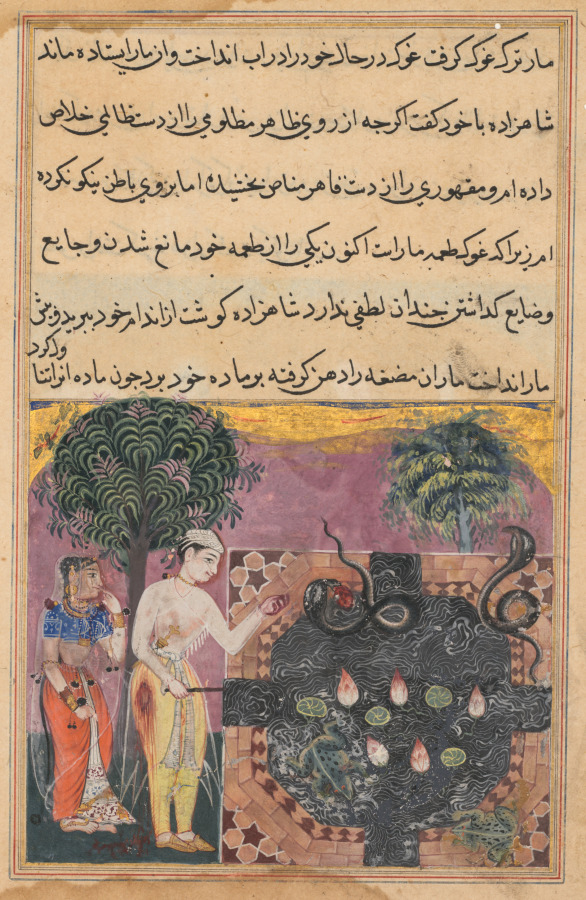
The prince, having deprived the snake of its natural food, a frog, feeds it with a piece of his own flesh, from a Tuti-nama (Tales of a Parrot): Eighteenth Night
Unrecorded maker
c. 1560 · Painting, gum tempera, ink, and gold on paper
Cleared · CC0
live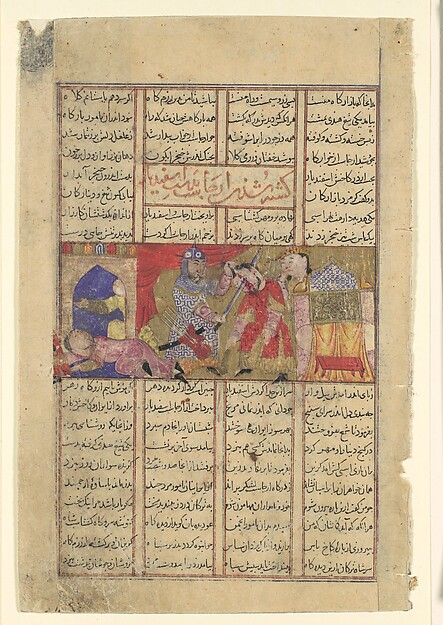
"Isfandiyar Slays Arjasp", Folio from a Shahnama (Book of Kings)
Abu'l Qasim Firdausi (d. 1020)
ca. 1330–40 · Ink, opaque watercolor, gold, and silver on paper
Cleared · Public Domain
live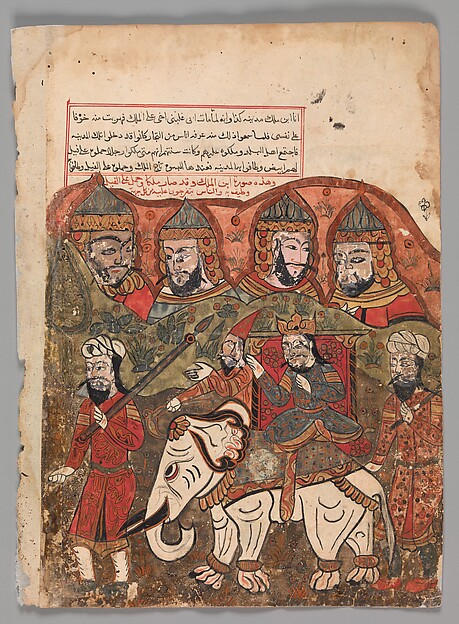
"The Prince Having been Proclaimed King is Paraded Through the City on a White Elephant", Folio from a Kalila wa Dimna
Unrecorded maker
second quarter 16th century · Ink and opaque watercolor on paper
Cleared · Public Domain
live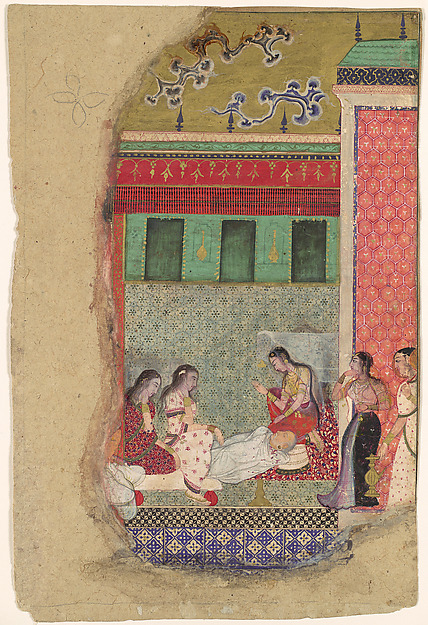
"The Death of King Dasharatha, the Father of Rama", Folio from a Ramayana
Unrecorded maker
ca. 1605 · Opaque watercolor and gold on paper
Cleared · Public Domain
live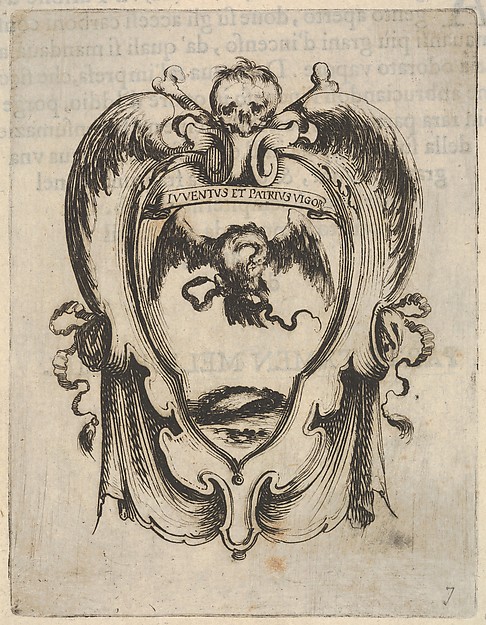
A cartouche with an eagle and a snake, a skull and crossbones at top, wings to either side, from "Eight Emblems for the Funeral of Francesco de Medici" (Huit emblèmes pour les funérailles du prince François de Médicis)
Stefano della Bella (d. 1664)
ca. 1640–60 · Etching, letterpress visible on verso
Cleared · Public Domain
live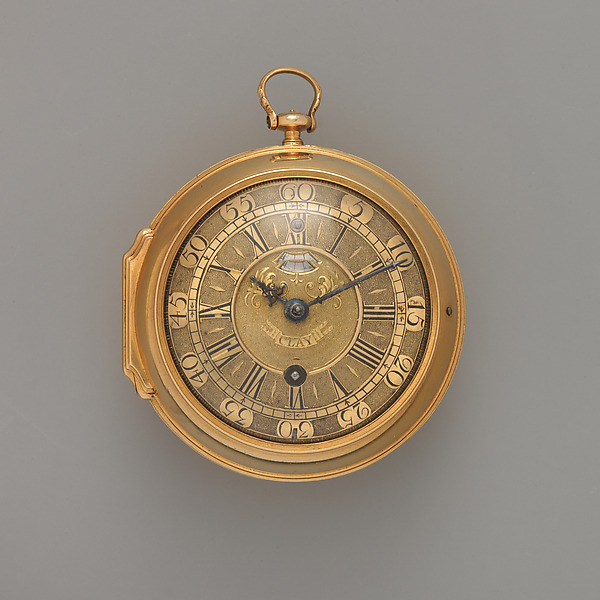
Watch with automaton
Charles Clay (d. 1740)
ca. 1720 · Case: gold and silver; Dial: champlevé gold
Cleared · Public Domain
live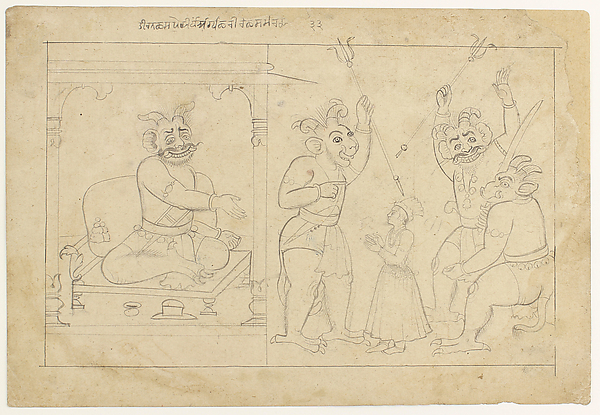
Hiranyakashipu commands his demon warriors to threaten and injure Prahlada. Preparatory drawing from the ‘Small Bhagavata Purana’ Series
Manaku (d. 1770)
ca. 1740–50 · Brush drawing on paper
Cleared · Public Domain
live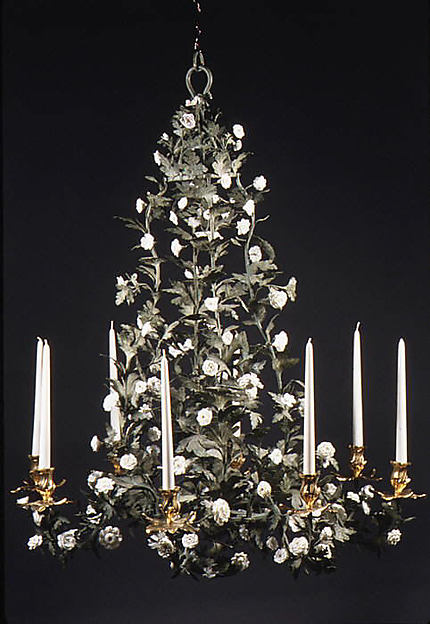
Eight-light chandelier
Vincennes Manufactory (d. 1756)
ca. 1765–70 · Painted iron, soft-paste porcelain, gilt bronze
Cleared · Public Domain
live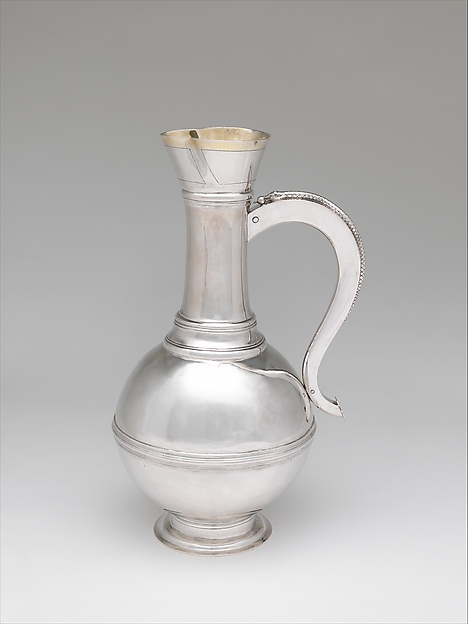
Wine decanter
Simon Petrus Conrad (d. 1793)
ca. 1780 · Silver, partly gilded
Cleared · Public Domain
live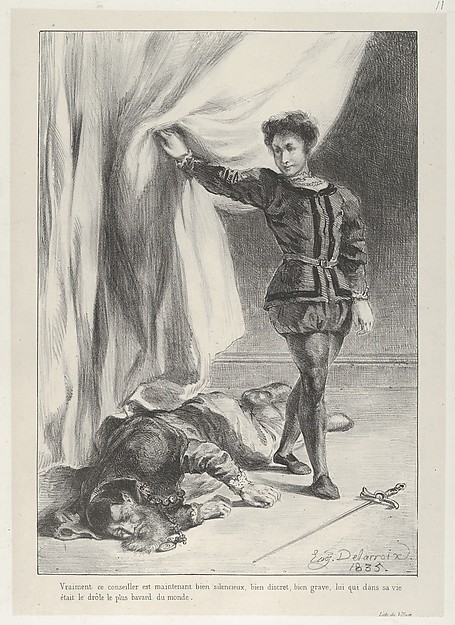
Hamlet and the Corpse of Polonius
Eugène Delacroix (d. 1863)
1835 · Lithograph; second state of four
Cleared · Public Domain
live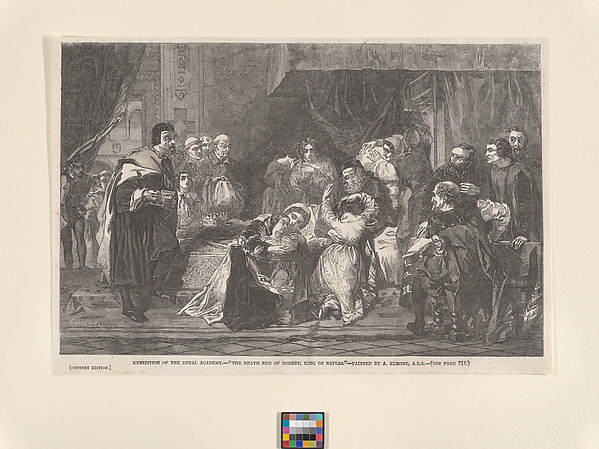
The Death Bed of Robert, King of Naples, from "Illustrated London News"
Edward Dalziel (d. 1905)
May 13, 1848 · Wood engraving
Cleared · Public Domain
live1. Pin the work
Choose the record and say what you are actually going to do with it. The product re-reads the work live and stores a snapshot, so your docket records what the institution said today.
2. Read the arithmetic
Six weighted factors: the institution's own claim, the creator's term, the publication-age rule, the restrictions in their statement, your use, and whether a credit line is even possible.
3. Seal and export
Record the decision into a SHA-384 chain, then export a dated docket as JSON, CSV or Markdown with the credit line and the seal a colleague can re-verify.