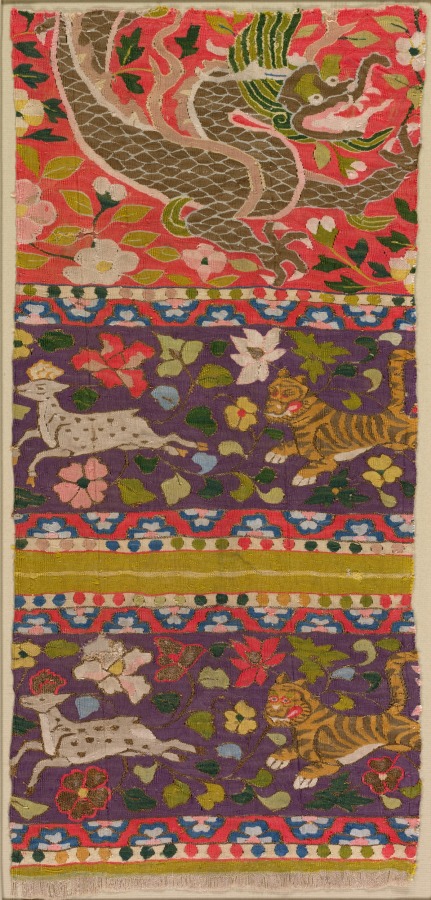
Tigers Chasing Deer, with Dragon
Unrecorded maker
1000s–1200 · Textile, Silk and gold thread; tapestry
Cleared · CC0
liveCleveland Museum of ArtSimilar
Rights clearance desk for images
Museums publish two different things about the same artwork: whether the work is in copyright, and whether their picture of it is. OpenPlate reads both, does the arithmetic on the published term, and shows you the sentence behind every point of the score.
Where this page got its records
The Metropolitan Museum of Art did not answer: met answered HTTP 403
395 ms. The Cleveland Museum of Art, Open Access API
1 of 2 providers answered live. 9 matching records exist across the two collections.
Institutions answered newest-first by record, interleaved
Tigers Chasing Deer, with Dragon
Unrecorded maker
1000s–1200 · Textile, Silk and gold thread; tapestry
Cleared · CC0
live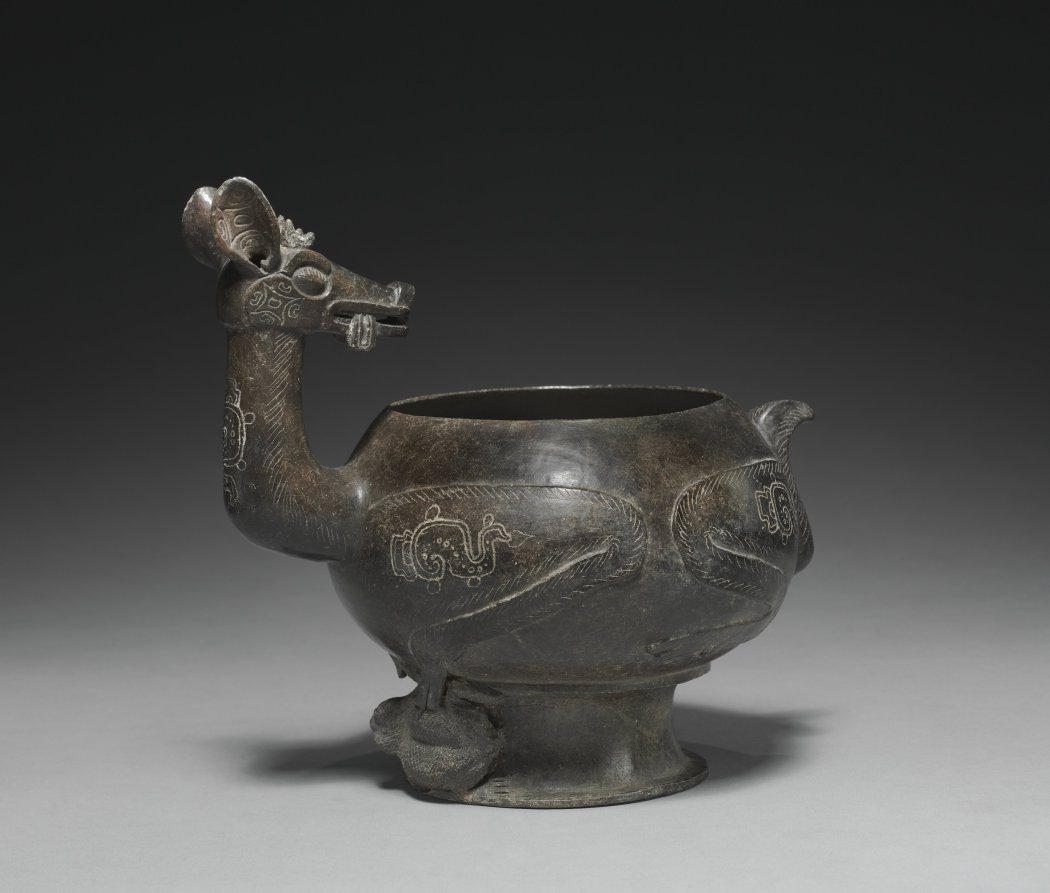
Deer Effigy Vessel
Unrecorded maker
250–600 CE · Ceramic, earthenware
Cleared · CC0
live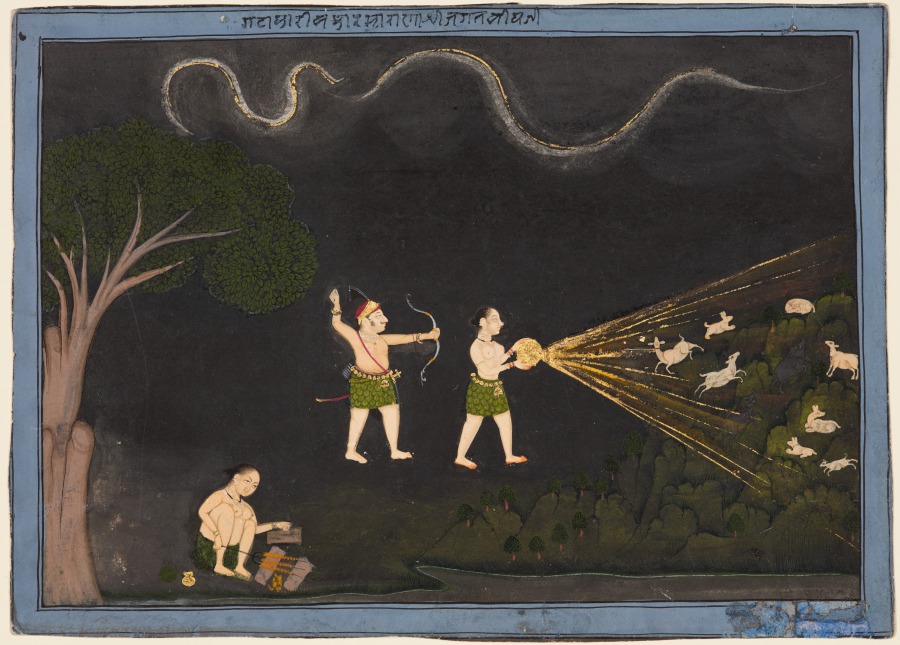
Maharana Jagat Singh II of Mewar (r. 1734–51) Dressed as a Bhil, Hunting Deer at Night
Chokha (d. 1824)
c. 1735–40 · Painting, gum tempera, ink, and gold on paper
Cleared · CC0
live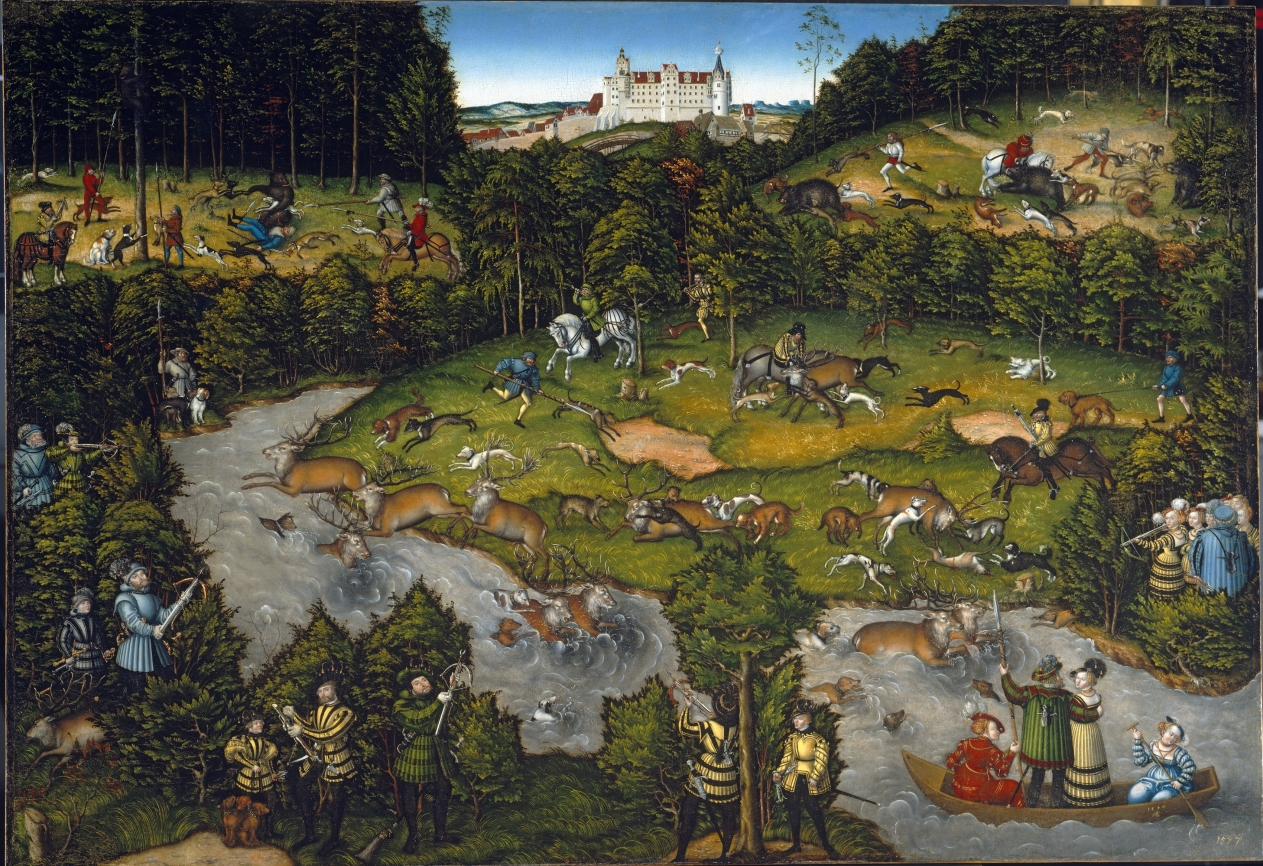
Hunting near Hartenfels Castle
Lucas Cranach (d. 1553)
1540 · Painting, oil, originally on wood, transferred to masonite
Cleared · CC0
live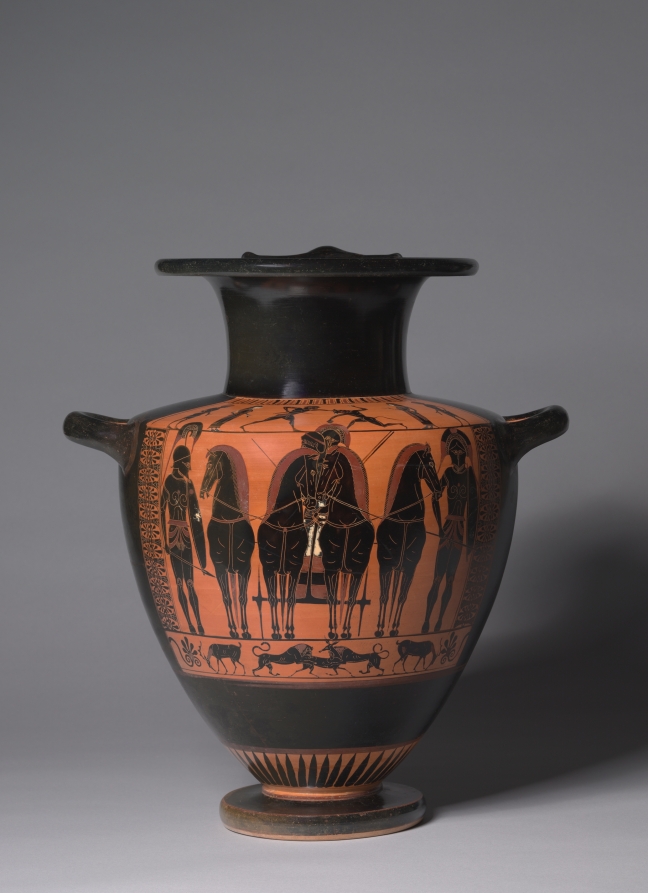
Black-Figure Hydria (Water Vessel): Frontal Quadriga (Body); Theseus and Minotaur (Shoulder)
Antimenes Painter
c. 520 BCE · Ceramic, ceramic
Cleared · CC0
live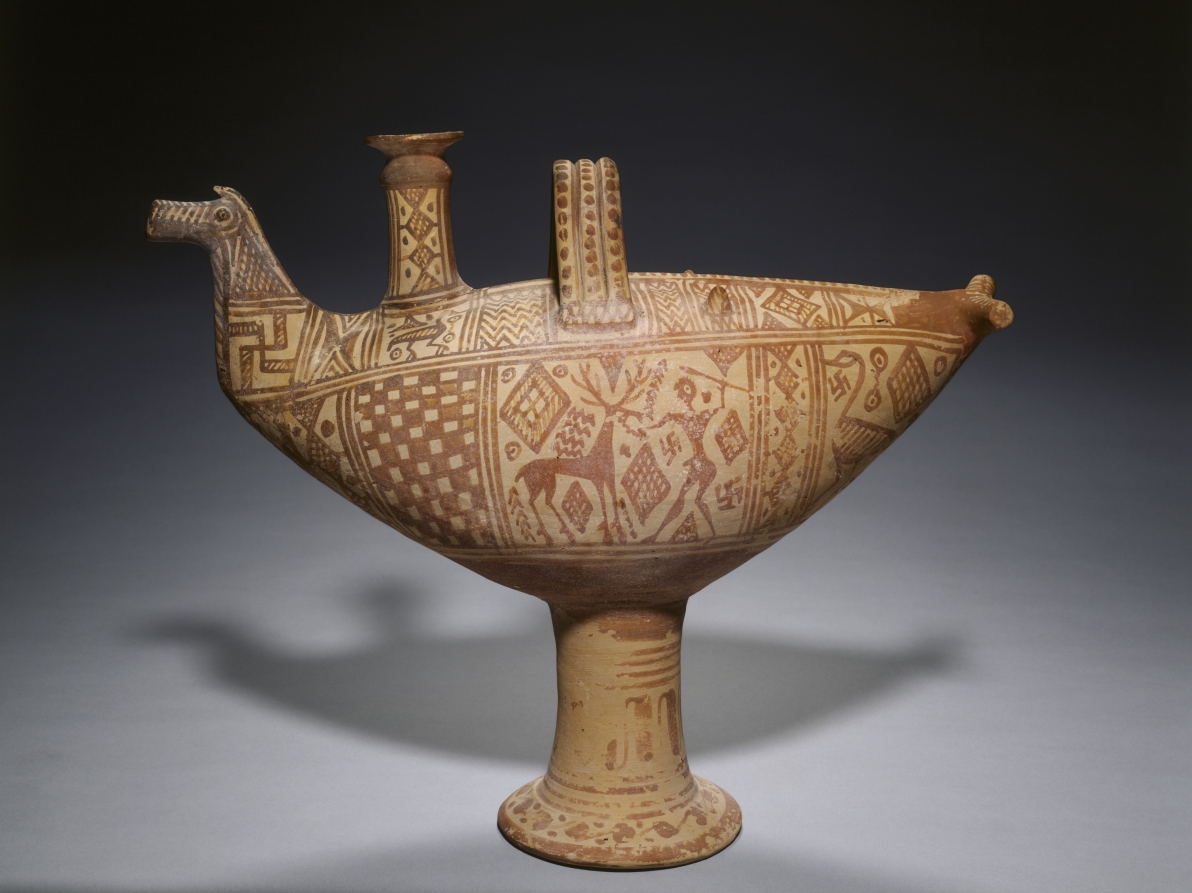
Italo-Geometric Bird Askos (Oil Vessel): Hunter (Herakles?) and Stag
Bisenzio Class
c. 700 BCE · Ceramic, ceramic
Cleared · CC0
live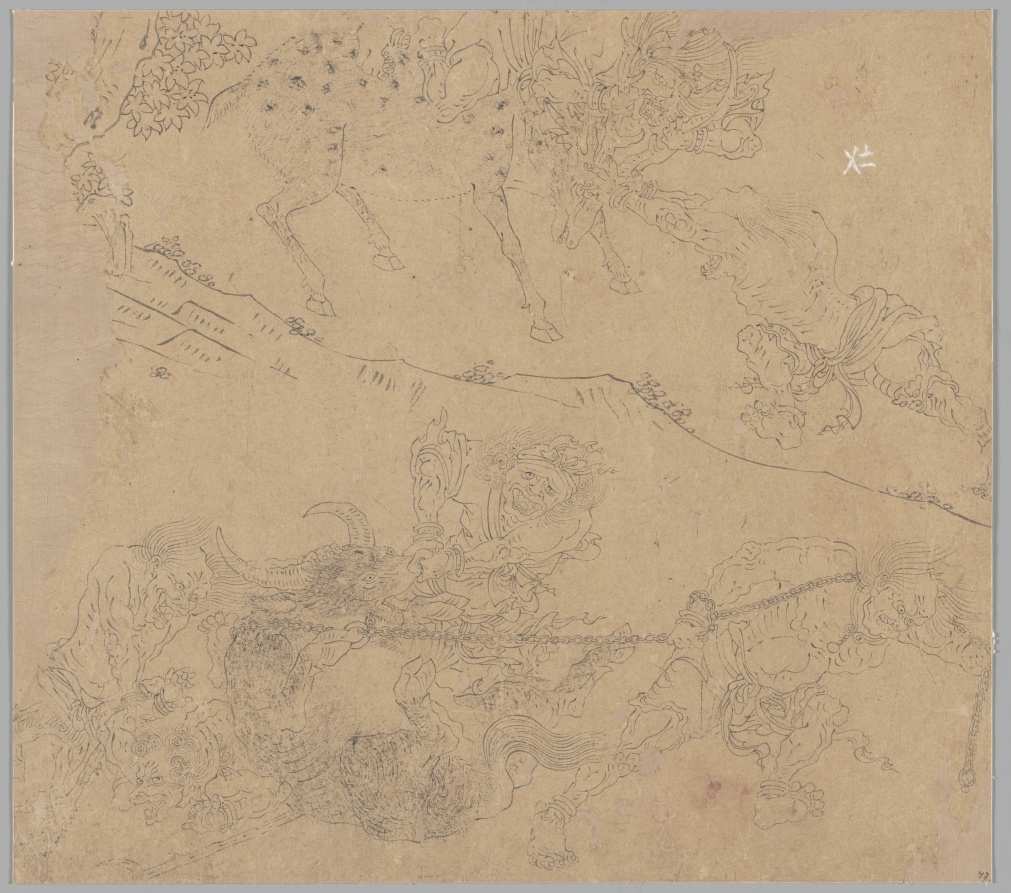
Album of Daoist and Buddhist Themes: Search the Mountain: Leaf 47
Unrecorded maker
1200s · Painting, Album; ink on paper
Cleared · CC0
live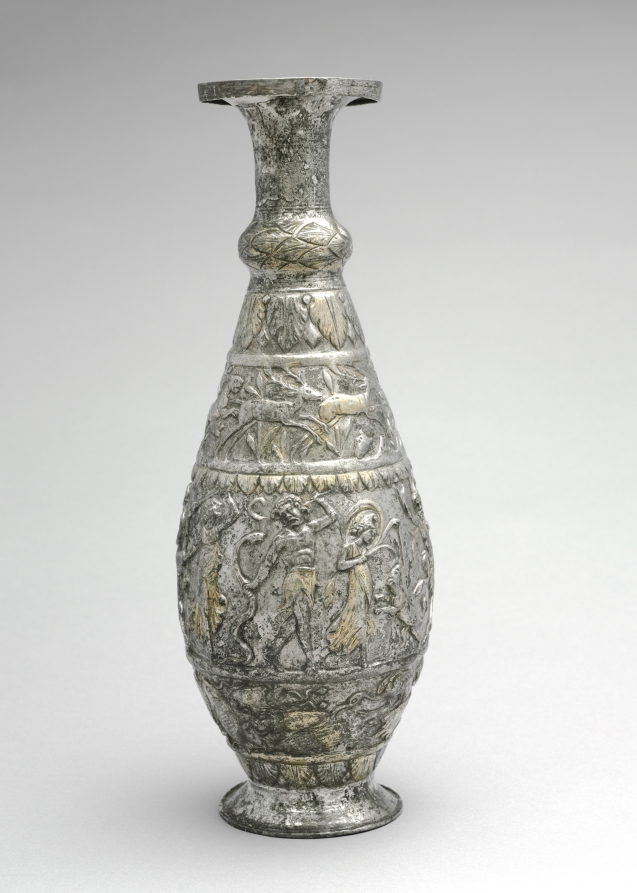
Ewer (Pitcher) with Game, Seafood, and Wine Scenes
Unrecorded maker
late 300s CE · Metalwork, silver with traces of gilding
Cleared · CC0
live
Shiva and His Followers Return to Mount Kailash (verso), from a Romance of Chandrabhanu and Lavanyavati of Upendra Bhanja (1670–1740)
Unrecorded maker
1700s · Painting, gum tempera and lampblack on palm leaf
Cleared · CC0
live1. Pin the work
Choose the record and say what you are actually going to do with it. The product re-reads the work live and stores a snapshot, so your docket records what the institution said today.
2. Read the arithmetic
Six weighted factors: the institution's own claim, the creator's term, the publication-age rule, the restrictions in their statement, your use, and whether a credit line is even possible.
3. Seal and export
Record the decision into a SHA-384 chain, then export a dated docket as JSON, CSV or Markdown with the credit line and the seal a colleague can re-verify.