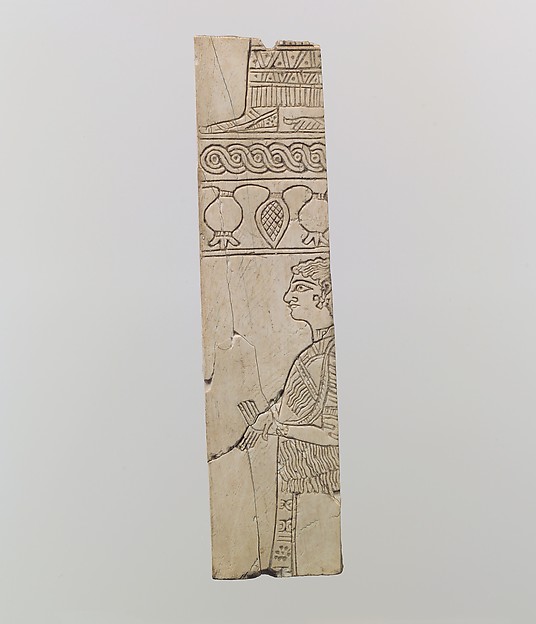
Incised furniture plaque with two figures in two registers
Unrecorded maker
ca. 9th century BCE · Ivory
Cleared · Public Domain
liveThe MetSimilar
Rights clearance desk for images
Museums publish two different things about the same artwork: whether the work is in copyright, and whether their picture of it is. OpenPlate reads both, does the arithmetic on the published term, and shows you the sentence behind every point of the score.
Where this page got its records
250 ms. The Metropolitan Museum of Art, Collection API (Open Access)
299 ms. The Cleveland Museum of Art, Open Access API
2 of 2 providers answered live. 14 matching records exist across the two collections.
Institutions answered newest-first by record, interleaved
Incised furniture plaque with two figures in two registers
Unrecorded maker
ca. 9th century BCE · Ivory
Cleared · Public Domain
live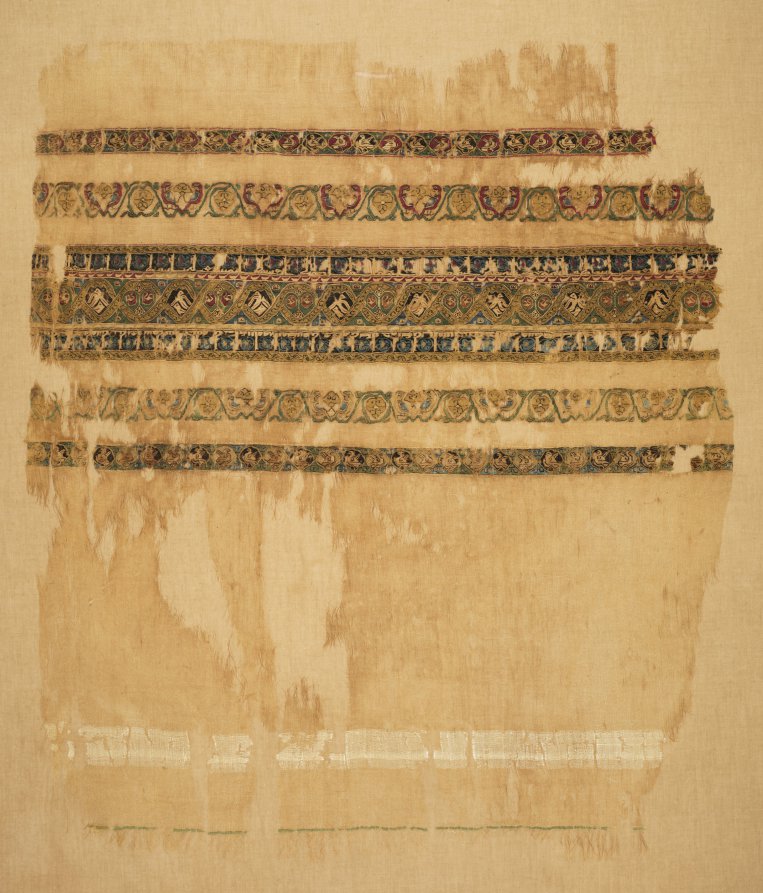
Turban or shawl end with tiraz and gold
Unrecorded maker
1094 · Textile, plain weave with inwoven tapestry weave: linen, silk, and gold filé
Cleared · CC0
live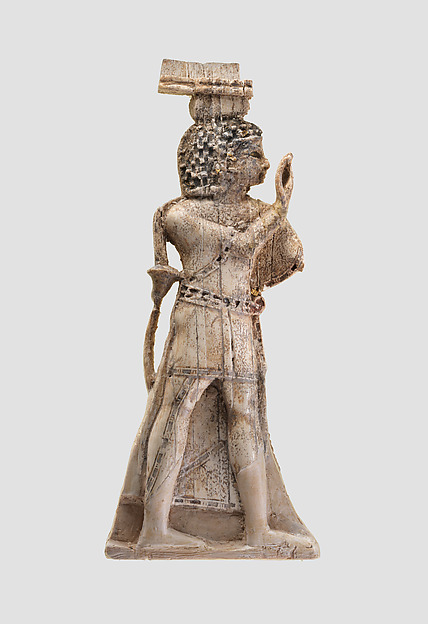
Openwork furniture plaque with a male youth
Unrecorded maker
ca. 8th–7th century BCE · Ivory, gold
Cleared · Public Domain
live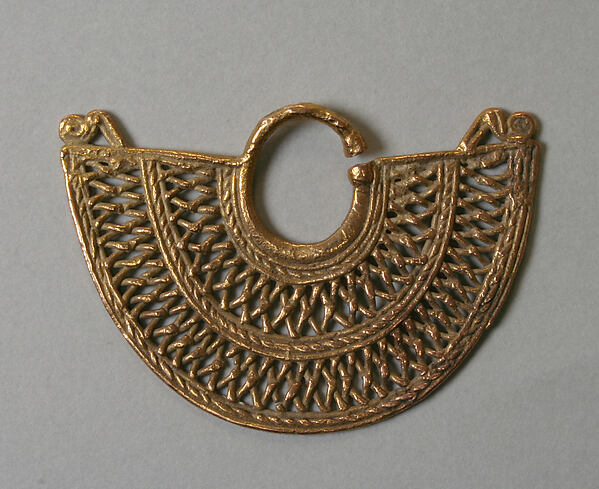
Ear Ornament
Unrecorded maker
1–1000 CE · Gold
Cleared · Public Domain
live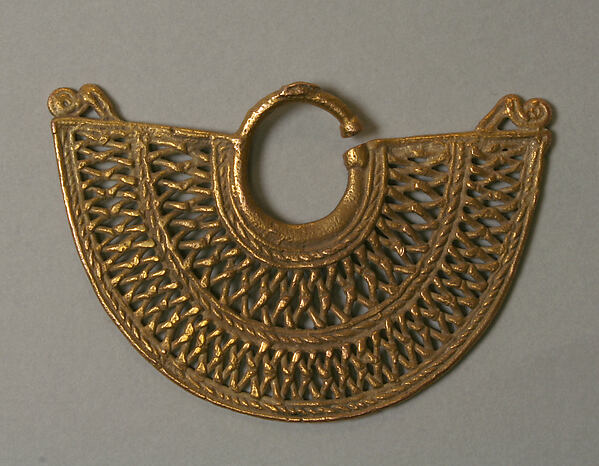
Ear Ornament
Unrecorded maker
1–1000 CE · Gold
Cleared · Public Domain
live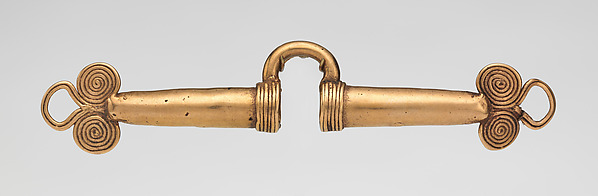
Nose Ornament
Unrecorded maker
1–1000 CE · Gold
Cleared · Public Domain
live
Owl Staff Head
Unrecorded maker
1–1000 CE · Gold
Cleared · Public Domain
live
Cassone with painted front panel depicting the Conquest of Trebizond
Apollonio di Giovanni di Tomaso (d. 1465)
after ca. 1461 · Poplar wood, linen, polychromed and gilded gesso with panel painted in tempera and gold
Cleared · Public Domain
live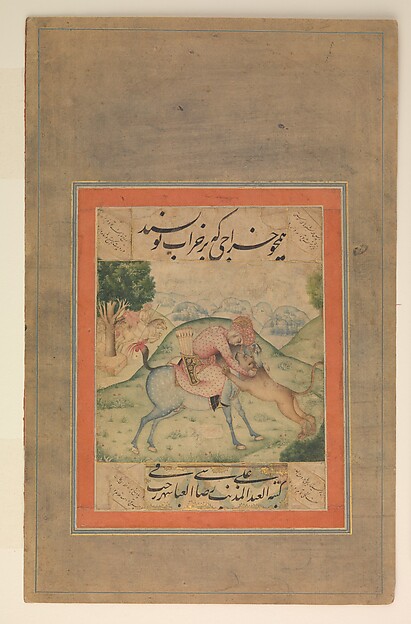
"Prince Killing a Lion", Folio from the Davis Album
'Ali Riza 'Abbasi (d. 1675)
17th century · Ink, opaque watercolor, and gold on paper
Cleared · Public Domain
live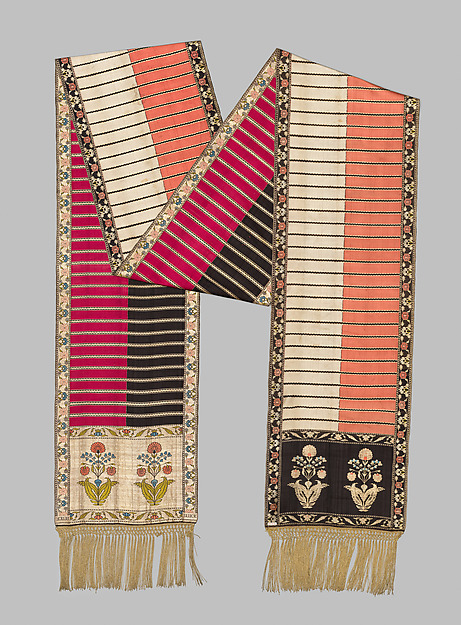
Sash
Leo Madjarski (d. 1825)
1767–80 · Compound plain weave, silk and metal-wrapped thread with metallic fringe
Cleared · Public Domain
live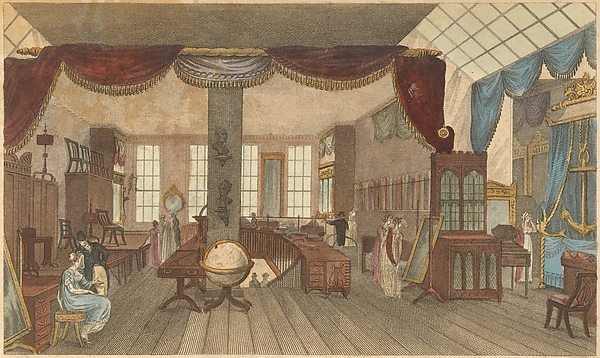
The Repository of Arts, Literature, Commerce, Manufactures, Fashions, and Politics, 1st series, vol. 2
Rudolph Ackermann, London (d. 1832)
July–December 1809 · Illustrations: hand-colored etching, engraving, woodcut, and textile samples
Cleared · Public Domain
live
Medici vase with a scene of the park at Saint-Cloud (one of a pair)
Sèvres Manufactory (d. 9999)
1811 · Hard-paste porcelain decorated in polychrome enamels, gold, gilt bronze
Cleared · Public Domain
live1. Pin the work
Choose the record and say what you are actually going to do with it. The product re-reads the work live and stores a snapshot, so your docket records what the institution said today.
2. Read the arithmetic
Six weighted factors: the institution's own claim, the creator's term, the publication-age rule, the restrictions in their statement, your use, and whether a credit line is even possible.
3. Seal and export
Record the decision into a SHA-384 chain, then export a dated docket as JSON, CSV or Markdown with the credit line and the seal a colleague can re-verify.