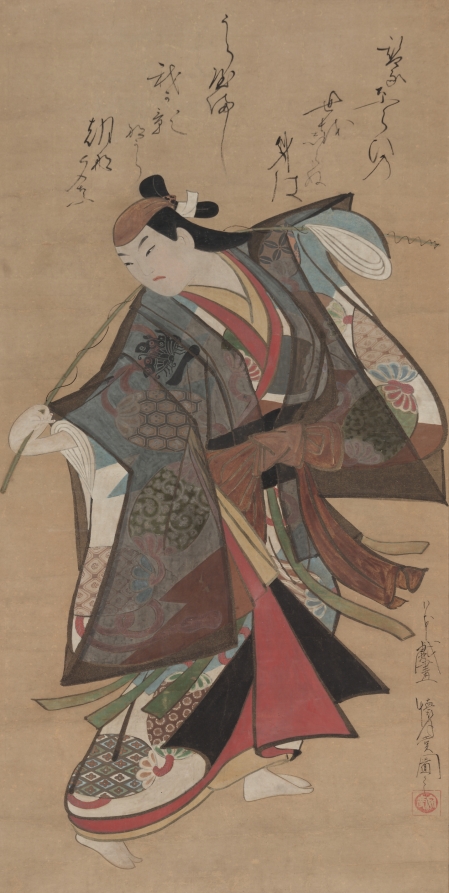
Sanjo Kantaro II in the Role of Urashima Taro
Kaigetsudō Ando (d. 1743)
early 1700s · Painting, hanging scroll; ink and color on paper
Cleared · CC0
liveCleveland Museum of ArtSimilar
Rights clearance desk for images
Museums publish two different things about the same artwork: whether the work is in copyright, and whether their picture of it is. OpenPlate reads both, does the arithmetic on the published term, and shows you the sentence behind every point of the score.
Where this page got its records
The Metropolitan Museum of Art did not answer: met answered HTTP 403
798 ms. The Cleveland Museum of Art, Open Access API
1 of 2 providers answered live. 7 matching records exist across the two collections.
Institutions answered newest-first by record, interleaved
Sanjo Kantaro II in the Role of Urashima Taro
Kaigetsudō Ando (d. 1743)
early 1700s · Painting, hanging scroll; ink and color on paper
Cleared · CC0
live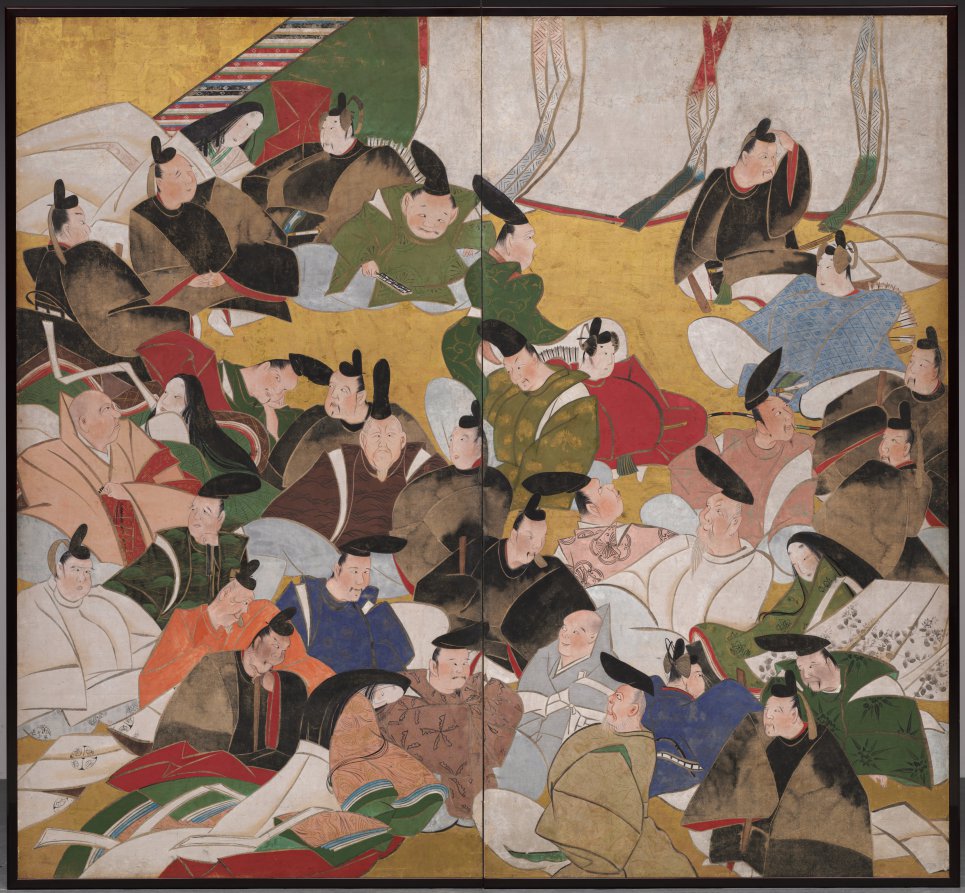
Thirty-Six Poetic Immortals
Tatebayashi Kagei
mid 1700s · Painting, two-fold screen; ink, color, and gold on paper
Cleared · CC0
live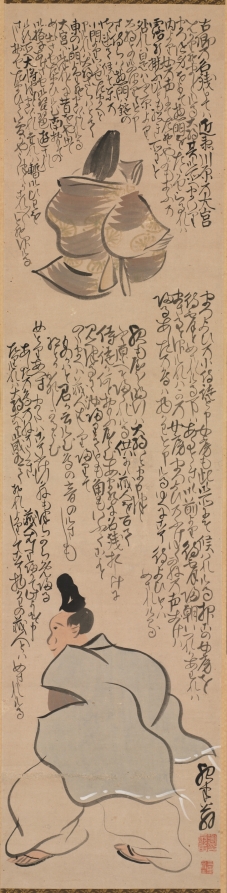
Moon Viewing, from The Tale of Heike
Yosa Buson (d. 1783)
1700s · Painting, hanging scroll; ink and light color on paper
Cleared · CC0
live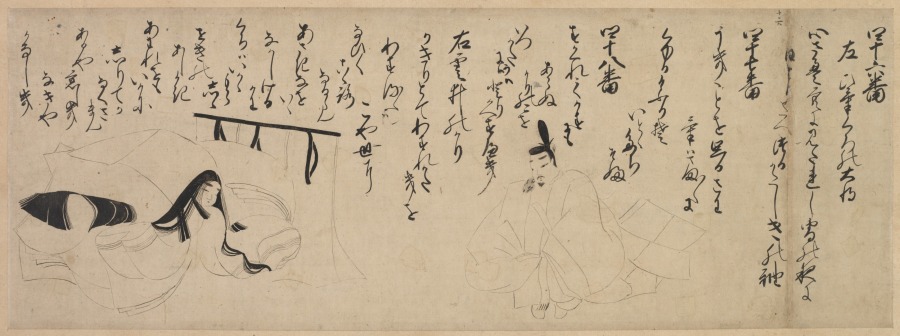
Section of an Illustrated Tale of Genji Poetry Contest
Unrecorded maker
1400s · Painting, section of a handscroll mounted as a hanging scroll; ink on paper
Cleared · CC0
live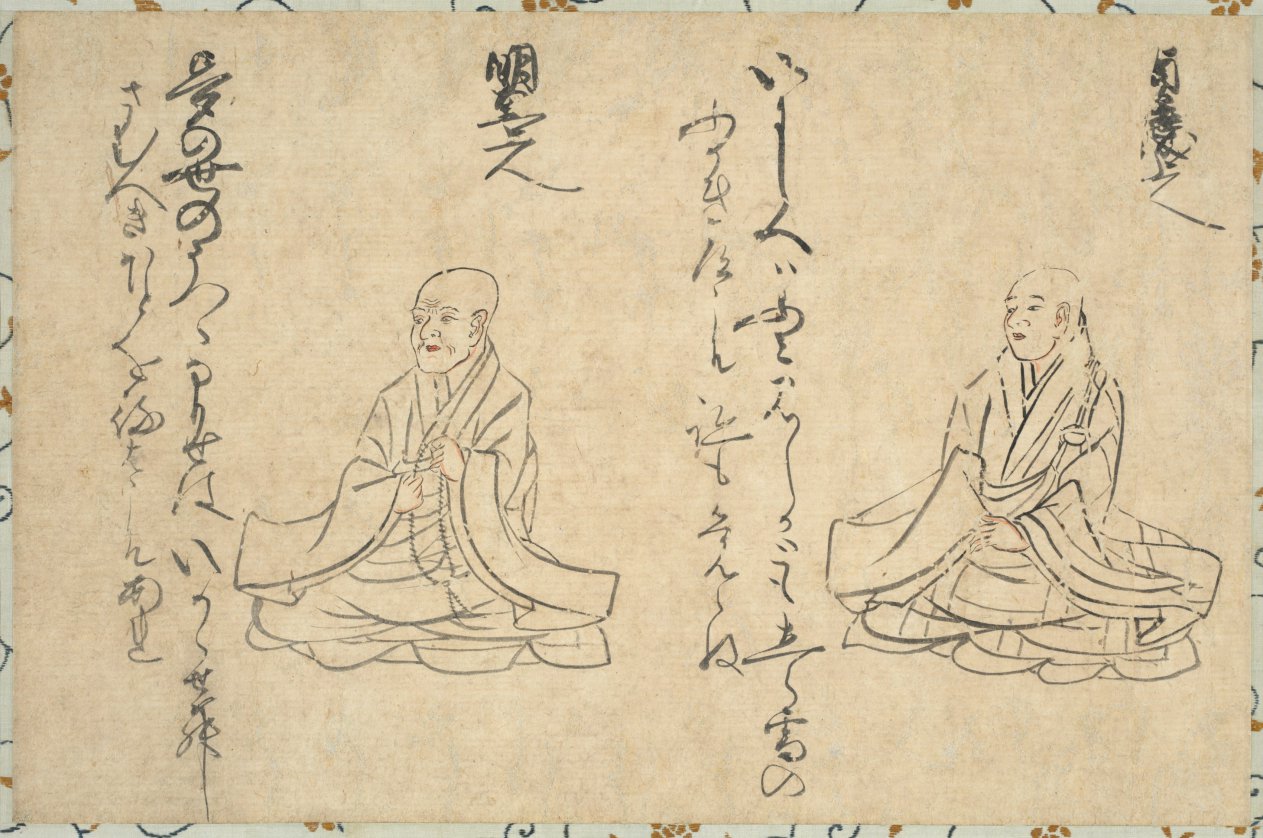
Thirty-Six Poetic Immortals of the Buddhist Clergy
Unrecorded maker
late 1300s–1400s · Painting, Fragment of a handscroll remounted as a hanging scroll; ink and slight color on paper
Cleared · CC0
live
Selections from the New Collection of Japanese Poems from Ancient and Modern Times (Shinkokin wakashū) with Printed Designs of Chinese Lions and Crab Finger Grass
Hon'ami Kōetsu (d. 1637)
early 1600s · Calligraphy, handscroll; ink, gold, and silver on paper
Cleared · CC0
live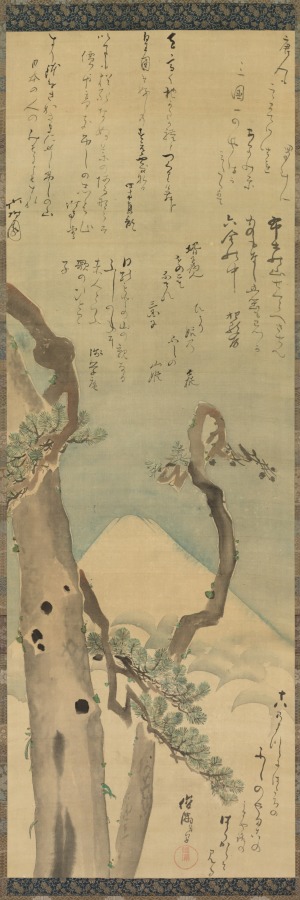
Mt. Fuji through Pines
Kubo Shunman (d. 1820)
late 1700s-early 1800s · Painting, hanging scroll, ink and color on silk
Cleared · CC0
live1. Pin the work
Choose the record and say what you are actually going to do with it. The product re-reads the work live and stores a snapshot, so your docket records what the institution said today.
2. Read the arithmetic
Six weighted factors: the institution's own claim, the creator's term, the publication-age rule, the restrictions in their statement, your use, and whether a credit line is even possible.
3. Seal and export
Record the decision into a SHA-384 chain, then export a dated docket as JSON, CSV or Markdown with the credit line and the seal a colleague can re-verify.