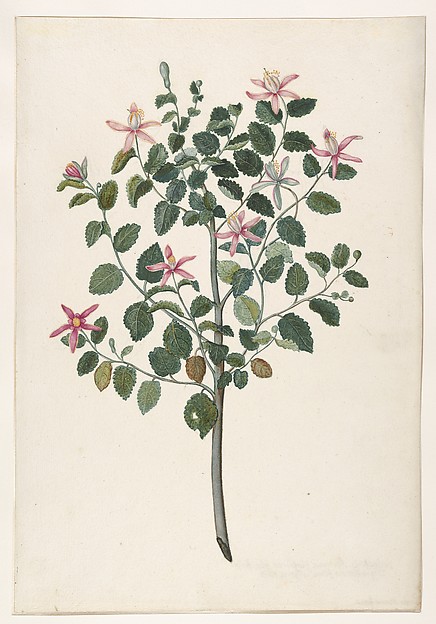
Study of a Plant with Red-Purple Flowers (Sebastiana africana purpurea)
Maria Moninckx (d. 1757)
1695 · Gouache and watercolor over graphite
Cleared · Public Domain
liveThe MetSimilar
Rights clearance desk for images
Museums publish two different things about the same artwork: whether the work is in copyright, and whether their picture of it is. OpenPlate reads both, does the arithmetic on the published term, and shows you the sentence behind every point of the score.
Where this page got its records
291 ms. The Metropolitan Museum of Art, Collection API (Open Access)
275 ms. The Cleveland Museum of Art, Open Access API
2 of 2 providers answered live. 1,698 matching records exist across the two collections.
Institutions answered newest-first by record, interleaved
Study of a Plant with Red-Purple Flowers (Sebastiana africana purpurea)
Maria Moninckx (d. 1757)
1695 · Gouache and watercolor over graphite
Cleared · Public Domain
live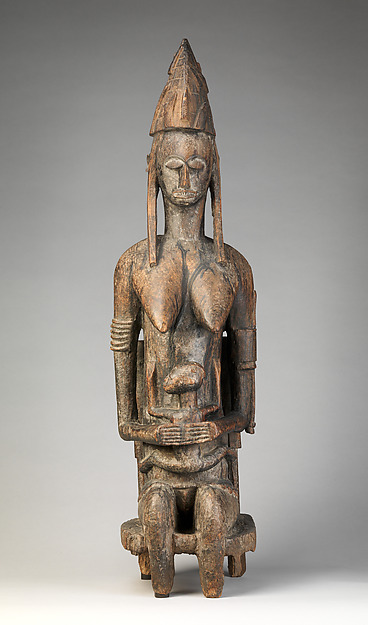
Gwandusu
Bamana numu (blacksmith)
15th–17th century · Wood (Cordyla africana or Lonchocarpus), applied organic materials
Cleared · Public Domain
live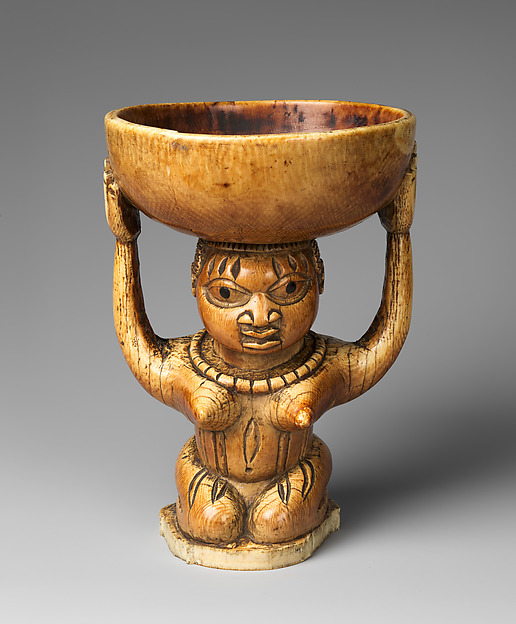
Àgéré Ifá (Ifá divination vessel) with kneeling woman
Yoruba artist
17th–19th century · Ivory, wood or coconut shell inlay
Cleared · Public Domain
liveNo open reproduction
The institution withholds the image for this record, which is itself the answer: the picture on their page is not theirs to give away.
Africana
Jean Jacques Boissard (d. 1602)
1581 · Engraving
In copyright
liveNo open reproduction
The institution withholds the image for this record, which is itself the answer: the picture on their page is not theirs to give away.
Femina Indica Africana, Arabs, Virgo Arabs
Jean Jacques Boissard (d. 1602)
1581 · Engraving
In copyright
liveNo open reproduction
The institution withholds the image for this record, which is itself the answer: the picture on their page is not theirs to give away.
Indica Femina Africana, Indus Africanus, Indus Orientalis
Jean Jacques Boissard (d. 1602)
1581 · Engraving
In copyright
liveNo open reproduction
The institution withholds the image for this record, which is itself the answer: the picture on their page is not theirs to give away.
Figure riding a quadruped
Dogon or Tellem blacksmith (?)
16th–19th century · Wood (Burseraceae family), applied organic materials
In copyright
liveNo open reproduction
The institution withholds the image for this record, which is itself the answer: the picture on their page is not theirs to give away.
Prestige headdress
Central African artist
ca. 1850–1920 · Fiber, animal hair, cowrie shells
In copyright
liveNo open reproduction
The institution withholds the image for this record, which is itself the answer: the picture on their page is not theirs to give away.
African Woman
Jean Dunand (d. 1942)
1928–30 · Lacquered wood, oxidized copper
In copyright
liveNo open reproduction
The institution withholds the image for this record, which is itself the answer: the picture on their page is not theirs to give away.
Mfunga (fly whisk) with bound female figure
Yombe-Kongo artist
19th–early 20th century · African elephant ivory (Loxodonta africana), wood, lead-tin alloy, animal hair (modern restoration)
In copyright
liveNo open reproduction
The institution withholds the image for this record, which is itself the answer: the picture on their page is not theirs to give away.
Diviner's Bag (Apo Ifa)
Yoruba bead artist
20th century · Cotton, beads, leather
In copyright
liveNo open reproduction
The institution withholds the image for this record, which is itself the answer: the picture on their page is not theirs to give away.
Study for Evelina's Grandmother (Curtsey)
Nicholas Africano (d. 9999)
1984 · Acrylic and oil on canvas
In copyright
live1. Pin the work
Choose the record and say what you are actually going to do with it. The product re-reads the work live and stores a snapshot, so your docket records what the institution said today.
2. Read the arithmetic
Six weighted factors: the institution's own claim, the creator's term, the publication-age rule, the restrictions in their statement, your use, and whether a credit line is even possible.
3. Seal and export
Record the decision into a SHA-384 chain, then export a dated docket as JSON, CSV or Markdown with the credit line and the seal a colleague can re-verify.