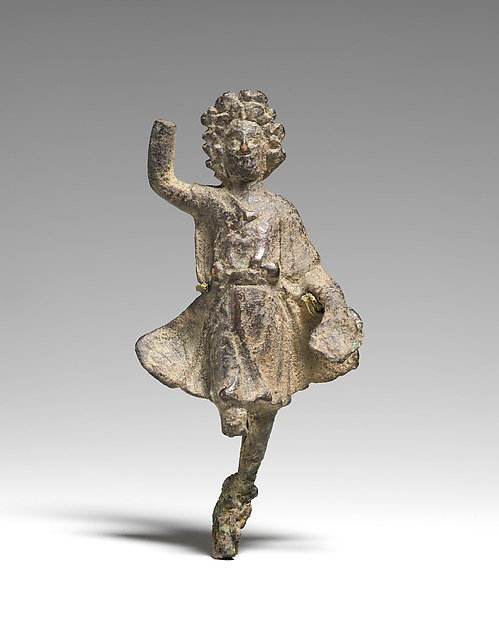
Bronze statuette of a Lar
Unrecorded maker
1st–2nd century CE · Bronze
Cleared · Public Domain
liveThe MetSimilar
Rights clearance desk for images
Museums publish two different things about the same artwork: whether the work is in copyright, and whether their picture of it is. OpenPlate reads both, does the arithmetic on the published term, and shows you the sentence behind every point of the score.
Where this page got its records
2363 ms. The Metropolitan Museum of Art, Collection API (Open Access)
251 ms. The Cleveland Museum of Art, Open Access API
2 of 2 providers answered live. 30,094 matching records exist across the two collections.
Institutions answered newest-first by record, interleaved
Bronze statuette of a Lar
Unrecorded maker
1st–2nd century CE · Bronze
Cleared · Public Domain
live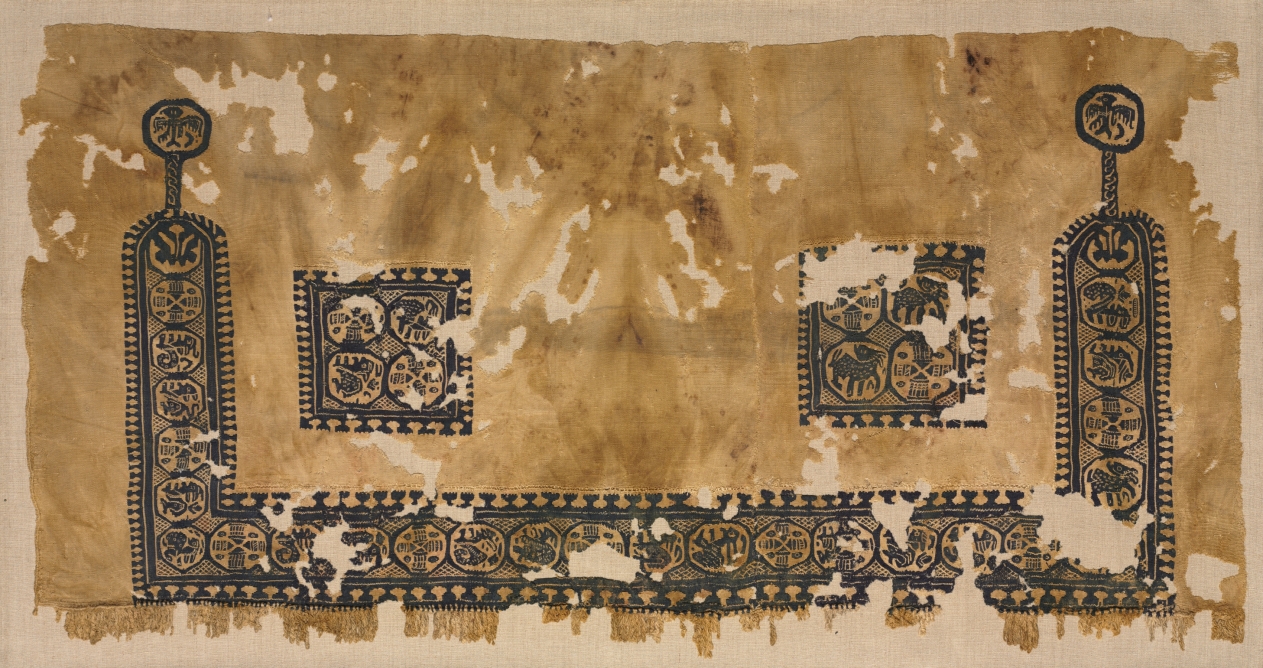
Lower Section of a Tunic
Unrecorded maker
400s CE · Textile, Undyed linen and dyed wool: tapestry weave with supplementary weft wrapping
Cleared · CC0
live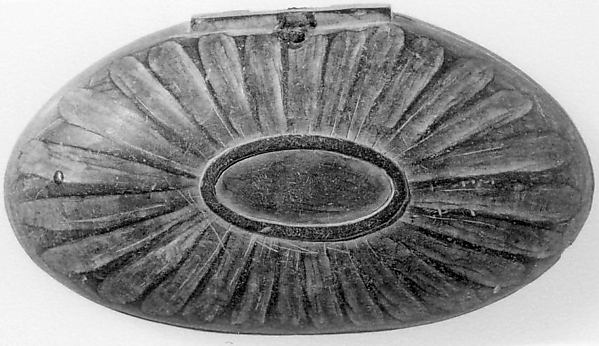
Lower Section of a Box
Unrecorded maker
ca. 5th century · Stone
Cleared · Public Domain
live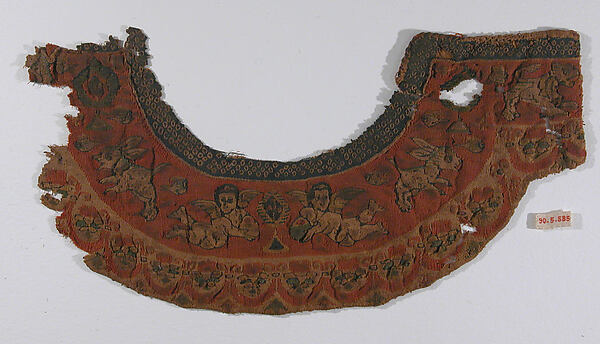
Neck Band from a Tunic
Unrecorded maker
5th–8th century · Wool, linen; tapestry weave
Cleared · Public Domain
live
Child's Tunic with Hood
Unrecorded maker
600–900 · Tapestry weave in purple-colored, red-brown, and undyed wool on plain-weave ground of green wool; fringes in green and red-brown along the perimeter of the hood and lower edges
Cleared · Public Domain
live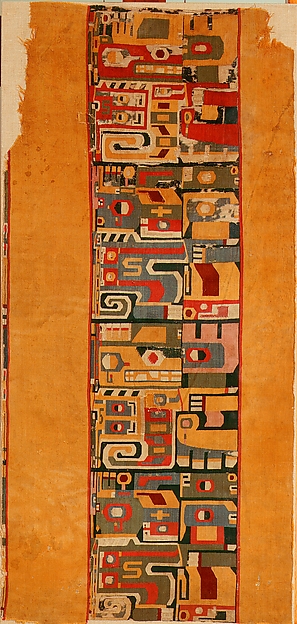
Tunic Section
Unrecorded maker
7th–9th century · Camelid hair, cotton
Cleared · Public Domain
live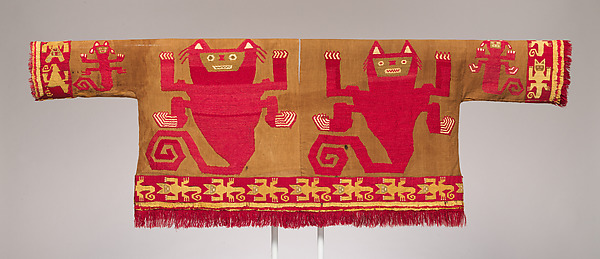
Tunic with Felines
Unrecorded maker
1450–1550 · Cotton, camelid hair
Cleared · Public Domain
live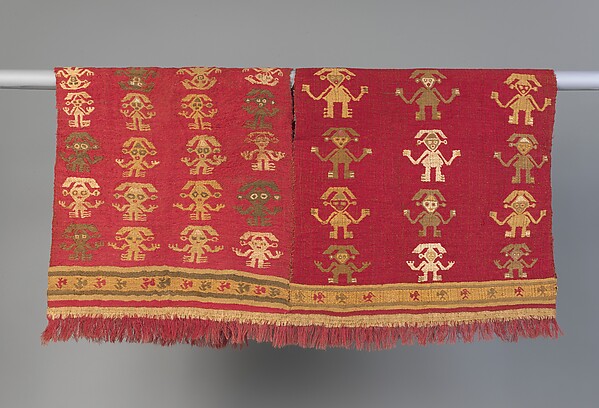
Tunic with Crescent Headdress Figures
Unrecorded maker
ca. 1460–1540 · Camelid wool, cotton
Cleared · Public Domain
live
Tunic
Unrecorded maker
1450–1550 · Camelid hair
Cleared · Public Domain
live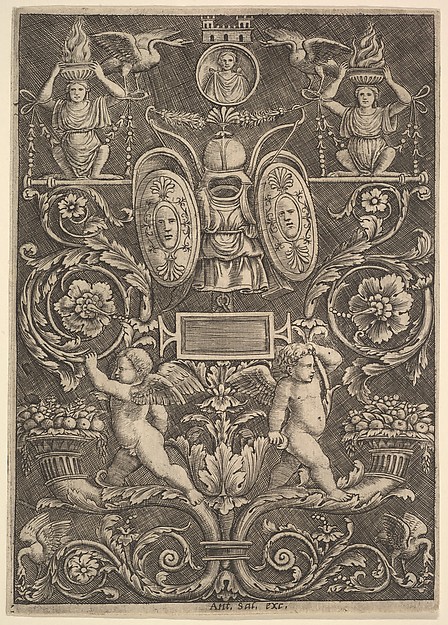
A panel of ornament, putti standing on cornucopia in lower section
Master of the Die (d. 1560)
1530–60 · Engraving
Cleared · Public Domain
liveNo open reproduction
The institution withholds the image for this record, which is itself the answer: the picture on their page is not theirs to give away.
Lower right section of 'Pharoah's army submerged in the Red Sea' depicting a dog defecating
Titian (Tiziano Vecellio) (d. 1576)
published 1549 · Woodcut
In copyright
liveNo open reproduction
The institution withholds the image for this record, which is itself the answer: the picture on their page is not theirs to give away.
Die for lower section of Hudson-Fulton Celebration Souvenir Spoon
Tiffany & Co. (d. 9999)
ca. 1909 · Steel
In copyright
live1. Pin the work
Choose the record and say what you are actually going to do with it. The product re-reads the work live and stores a snapshot, so your docket records what the institution said today.
2. Read the arithmetic
Six weighted factors: the institution's own claim, the creator's term, the publication-age rule, the restrictions in their statement, your use, and whether a credit line is even possible.
3. Seal and export
Record the decision into a SHA-384 chain, then export a dated docket as JSON, CSV or Markdown with the credit line and the seal a colleague can re-verify.