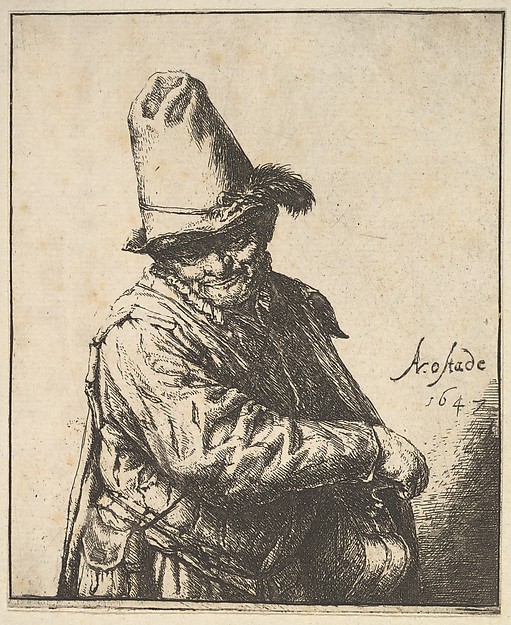
Hurdy Gurdy Man
Adriaen van Ostade (d. 1685)
1647 · Etching
Cleared · Public Domain
liveThe MetSimilar
Rights clearance desk for images
Museums publish two different things about the same artwork: whether the work is in copyright, and whether their picture of it is. OpenPlate reads both, does the arithmetic on the published term, and shows you the sentence behind every point of the score.
Where this page got its records
1152 ms. The Metropolitan Museum of Art, Collection API (Open Access)
374 ms. The Cleveland Museum of Art, Open Access API
2 of 2 providers answered live. 13 matching records exist across the two collections.
Institutions answered newest-first by record, interleaved
Hurdy Gurdy Man
Adriaen van Ostade (d. 1685)
1647 · Etching
Cleared · Public Domain
live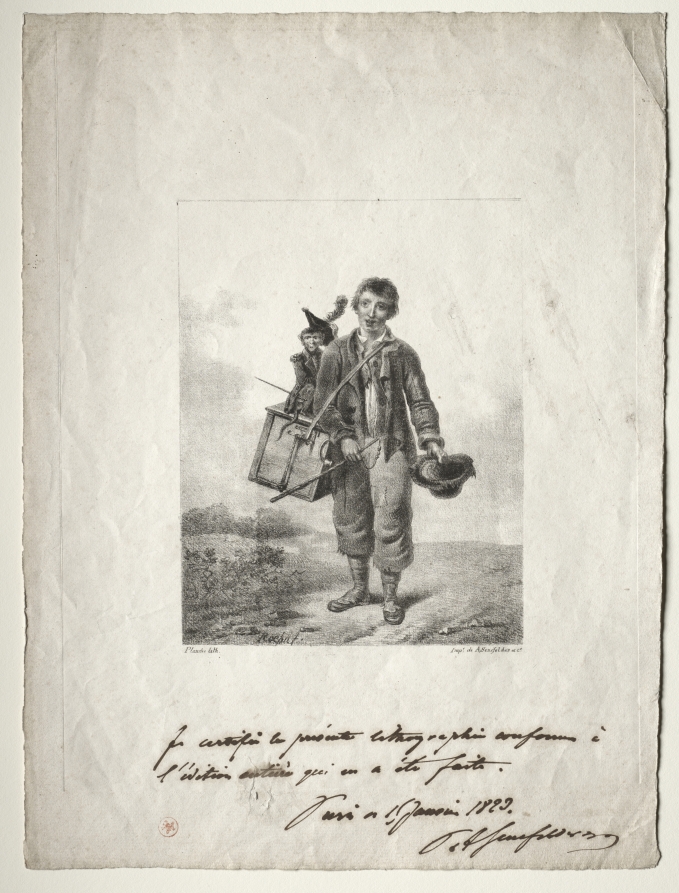
Organ-Grinder Boy
Alois Senefelder (d. 1834)
1829 · Print, lithograph
Cleared · CC0
live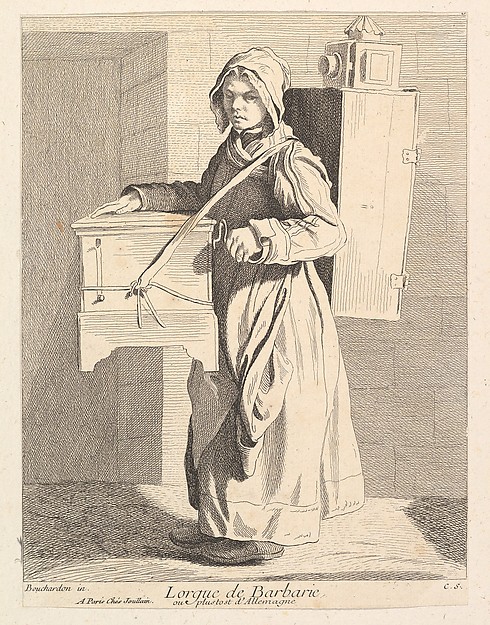
Organ Grinder
Anne Claude Philippe de Tubières, comte de Caylus (d. 1765)
1737 · Etching with some engraving
Cleared · Public Domain
live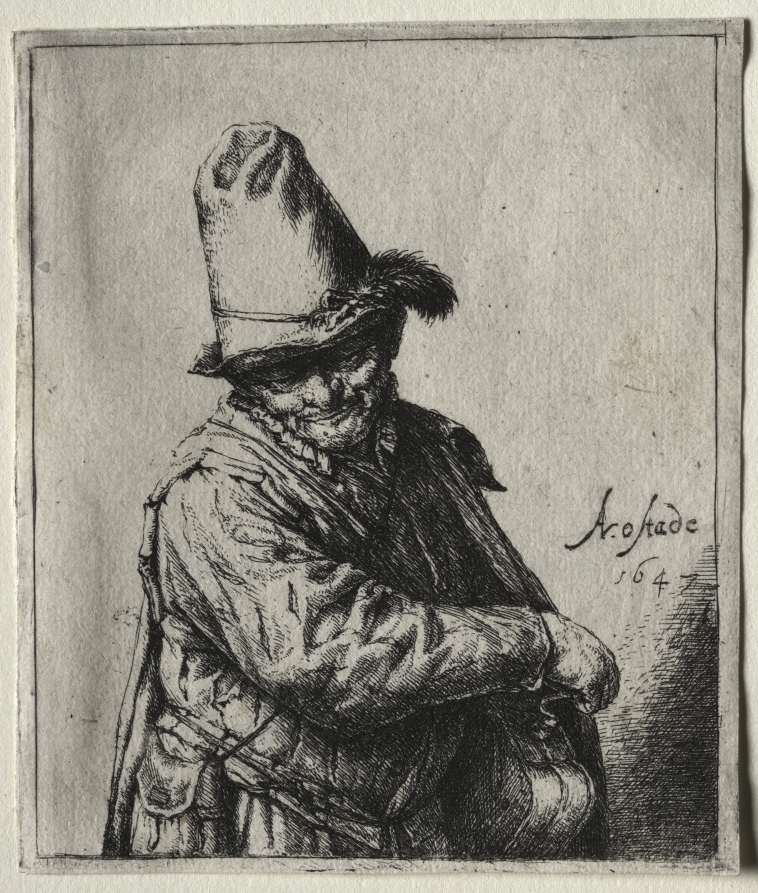
The Organ Grinder
Adriaen van Ostade (d. 1684)
1647 · Print, etching
Cleared · CC0
live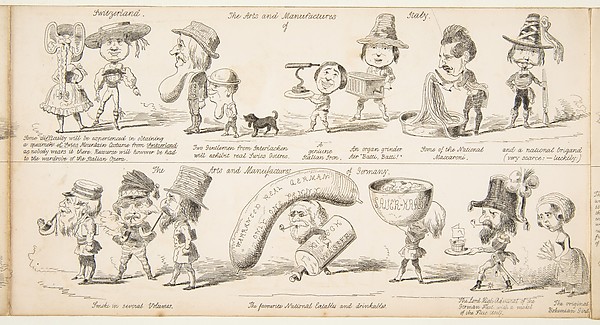
The Great Exhibition "Wot is to Be", Probable Results of The Industry of All Nations in The Year '51, Showing What is to be Exhibited, Who is To Exhibit, in Short How Its All Going to Be Done
George Augustus Sala (d. 1895)
1850 · Wood engraving
Cleared · Public Domain
live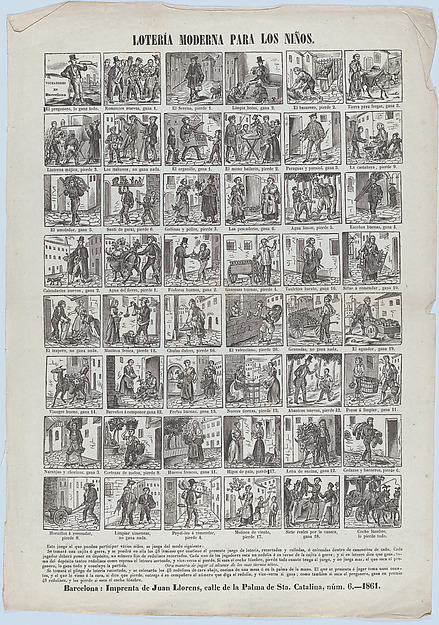
Children's game of lottery
José Noguera (d. 1900)
1861 · Wood engraving
Cleared · Public Domain
live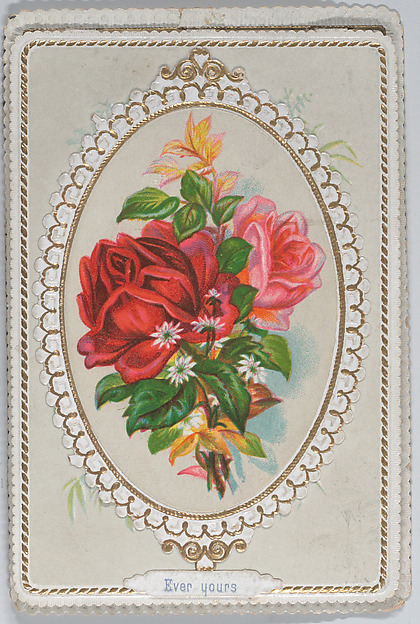
Valentine - Mechanical organ grinder
Anonymous, British, 19th century (d. 1900)
ca. 1875 · Heavy card-stock, die cut card stock, chromolithography with gilding
Cleared · Public Domain
liveNo open reproduction
The institution withholds the image for this record, which is itself the answer: the picture on their page is not theirs to give away.
Orpheus, the Organ Grinder. Original Shadow Pantomimes No. 3
Frank Eugene Chase (d. 1920)
1881 · Illustrations: lithographs
In copyright
liveNo open reproduction
The institution withholds the image for this record, which is itself the answer: the picture on their page is not theirs to give away.
Organ-grinder
Eugène Atget (d. 1927)
1898–99 · Matte albumen silver print from glass negative
In copyright
liveNo open reproduction
The institution withholds the image for this record, which is itself the answer: the picture on their page is not theirs to give away.
The Organ Grinder, from "Cries of New York"
Alfred Cornelius Howland (d. 1909)
second half 19th century · Watercolor
In copyright
liveNo open reproduction
The institution withholds the image for this record, which is itself the answer: the picture on their page is not theirs to give away.
Rose, the Organ Grinder
Onorio Ruotolo (d. 1966)
1914 · Bronze
In copyright
liveNo open reproduction
The institution withholds the image for this record, which is itself the answer: the picture on their page is not theirs to give away.
[Organ Grinder Street Musician, Possibly Bethune Street, New York City]
Walker Evans (d. 1975)
1930–33 · Film negative
In copyright
live1. Pin the work
Choose the record and say what you are actually going to do with it. The product re-reads the work live and stores a snapshot, so your docket records what the institution said today.
2. Read the arithmetic
Six weighted factors: the institution's own claim, the creator's term, the publication-age rule, the restrictions in their statement, your use, and whether a credit line is even possible.
3. Seal and export
Record the decision into a SHA-384 chain, then export a dated docket as JSON, CSV or Markdown with the credit line and the seal a colleague can re-verify.